Last updated November 25, 2026





Free written scope consultation - allowances, timeline, and change-order rules on paper before a single trade is scheduled
Construction Warning Signs: A Folsom Homeowner’s Reference Guide
The most dangerous phrase in a Folsom remodeling bid is also the most ordinary: “premium cabinetry.” That single line item appears in bids from contractors installing stock boxes at entry-level prices and in bids from crews setting semi-custom lines, and the words on the page tell you nothing about which one you’re getting. What separates a good project from a painful one usually isn’t a dramatic failure. It’s the quiet signals – the missing brand name, the vague waterproofing note, the slow reply to a change order question – that experienced remodelers read instantly and most homeowners only recognize in hindsight. This guide walks through those signals in detail, from bid language to substrate prep to scheduling behavior, so you can spot them before you sign.
Quick Answer
The biggest construction red flags for Folsom homeowners are missing brand names in bid line items, absent waterproofing membrane specifications for tile, vague permit language, and slow responses to change order questions. A bid that names products specifically – down to the cabinet line, the countertop brand, and the membrane under the tile – and that answers questions promptly is almost always a safer bet than a cheaper bid that stays vague. Material substitutions, permit skips, and cash-flow-driven scheduling delays all announce themselves early if you know where to look.
Styles & brands we work with
- Kitchen remodeling
- Bathroom remodeling
- Home additions & ADU
- Roofing
- Windows & doors
- Driveway & pavers
- Fence
Table of Contents
- How to Read Material Substitution Language in a Bid
- Physical Warning Signs in Existing Folsom Homes
- Why the Missing Waterproofing Membrane Matters Most
- Communication Patterns That Predict Project Problems
- Normal Sequencing Delays vs. Cash-Flow Scheduling Failures
- What Permit Language Should Look Like
- What Material Literacy Looks Like in a Real Proposal
How to Read Material Substitution Language in a Bid
Substitution language is the single most reliable warning sign in a remodeling proposal, and it hides in plain sight. Contractors who intend to swap specified products for cheaper alternatives rarely announce it. They use phrases that sound reasonable until you realize they’ve reserved the right to change what you’re getting.
Watch for these phrases specifically:
- “Or equal” – the most common substitution hook. It sounds reassuring, but it lets the contractor install anything they consider comparable, and their definition of equal is rarely yours.
- “Premium” or “quality” as a standalone adjective with no brand name attached. Premium to one bidder is builder-grade to another.
- “Contractor’s standard selection” – this usually means the contractor picks the product, not you.
- “Subject to availability” on a named product – legitimate on rare occasions, but if it appears on every line, expect substitutions across the board.
- “Allowance” without a cap or a brand – a vague allowance is a placeholder for the cheapest option that fits.
The fix is straightforward. Ask for the proposal to name each product by brand and model or product line. When a Folsom kitchen proposal lists KraftMaid or Wellborn cabinetry by name, you know exactly what’s being installed. When it says “premium cabinetry,” you know nothing. Specified by name, installed by us – that’s the standard a proposal should hold itself to.
This matters more in Folsom than homeowners realize. Many of the city’s 1990s and early 2000s subdivisions are reaching the age where original builder-grade finishes – laminate counters, stock oak cabinets, basic tile – are ready for a real upgrade. In our experience, the difference between a second round of builder-grade and a proper upgrade to a named line like KraftMaid cabinetry, Cambria quartz, or Kohler fixtures is the specificity written into the bid. If the bid names it, you get it.
Physical Warning Signs in Existing Folsom Homes
Before you hire anyone, look at what the previous remodel in your home is already telling you. Folsom has a lot of housing stock built through the 1990s and 2000s, and by now many of those homes have had at least one cosmetic update. Some were done well. Some were done without permits, and a few were done without proper substrate prep. The physical evidence is usually visible if you know what to look for.
Here’s what to check:
- Tile lippage – run your hand across a tiled floor or shower wall. If edges of adjoining tiles sit at noticeably different heights, the substrate beneath wasn’t leveled or the thinset coverage was inadequate. That’s not a cosmetic flaw; it’s a prep failure waiting to cause cracked tiles or loose grout.
- Grout cracking patterns – isolated hairline cracks can be normal settling. Cracks that follow a grid, repeat across many joints, or appear in a shower pan suggest movement in the substrate or a missing membrane.
- Paint adhesion failure – peeling, blistering, or chalky paint on interior walls often means the surface wasn’t properly prepped, primed, or cleaned before painting. On exteriors in Folsom’s dry summers and wet winters, it can also mean a previous painter skipped the primer step.
- Caulk lines doing structural work – when caulk at a tub or shower surround is thick and repeated, it’s usually covering a gap that should have been addressed with proper substrate and waterproofing.
- Unpermitted additions or conversions – a garage conversion, an added bath, or a bumped-out wall with no paper trail is a warning that the previous work may not meet code. Ask your city’s building department for permit history before you plan around it.
If you’re finding several of these in the same room, the honest conclusion is that the next remodel has to correct what’s underneath, not just replace what’s visible. A bathroom remodel in Folsom that ignores existing substrate problems will fail again in a few years, no matter how good the new tile looks on day one.
Why the Missing Waterproofing Membrane Matters Most
A tile proposal with no waterproofing membrane brand mentioned is structurally incomplete, no matter how reasonable the total price looks. Grout and thixotropic tile adhesives are not waterproof, and neither is cement backer board on its own in a wet area. The membrane is what actually keeps water out of the wall cavity.
In a properly written proposal, you should see a named membrane system. Common industry names include Schluter systems, RedGard, and Wedi, each of which carries its own manufacturer installation requirements. These are the names an experienced remodeler writes into the bid because they’ve committed to a system, not just a product category.
Why this is a real warning sign, not a nitpick:
- Warranty chain – membranes like Schluter come with manufacturer warranties that only apply when installed to the system’s own specs. If the proposal doesn’t name the membrane, the manufacturer’s coverage may not survive contact with a claim.
- Cost-cutting proxy – a proposal that skips the membrane spec is also likely to skip things you can’t see, like proper backer board thickness, vapor management, or the correct thinset.
- Folsom’s seasonal swings – summers here are hot and dry, winters are wet. Tile that’s properly bonded to a waterproofed substrate handles those swings; tile relying on grout alone eventually doesn’t.
If the waterproofing isn’t named in the bid, ask which system the contractor intends to use and why. A confident answer comes with a brand and a reason. A vague one is your cue to keep reading other proposals.
Communication Patterns That Predict Project Problems
You can learn a lot about how a project will go by watching how the contractor handles the early questions. Response behavior during the bidding phase is a preview of the entire project. Contractors who communicate well early usually communicate well when a change order needs a decision or an inspection needs to be scheduled.
Specific patterns to note:
- Response time to a written change order question – if a small scope question takes days to answer before you’ve signed, imagine how fast it’ll be answered when the crew is waiting on an answer mid-install.
- Willingness to put answers in writing – verbal reassurances don’t protect you. A contractor who won’t confirm material specs, schedules, or inspection steps in writing is telling you something.
- How they handle a “no” – ask a question designed to get a straight answer, like whether the permit is included in the bid price. Acknowledge, answer, move on is a healthy pattern; deflection or a change of subject is not.
- Inspection scheduling language – experienced remodelers talk about inspections as scheduled steps in the sequence. Vague language about “handling the permit paperwork” without a clear sequence is a warning.
- Names and numbers in the proposal – a proposal that names the project lead, states the sequence, and identifies what each trade is doing is a proposal from a contractor who runs projects on a schedule. A proposal that names no one and lists no sequence is not.
Our technicians have up to 11 years of experience, and the pattern we notice most consistently is this: the proposals with clear written communication are the ones that get built on schedule. The vague ones go sideways. If you’re comparing bids for home remodeling in Folsom, put communication behavior on the same page as price. It predicts the outcome better than almost anything else.
Normal Sequencing Delays vs. Cash-Flow Scheduling Failures
Every remodeling project hits some delay. Cabinets arrive late. An inspector is booked out further than expected. A material gets backordered. That’s normal sequencing, and a professional contractor tells you about it before you notice. The warning signs to watch for are the delays that look like something else: the contractor is managing cash flow with your deposit.
Here’s the distinction:
- Normal sequencing delays are specific and announced. The contractor tells you the cabinet line ships later than quoted and gives you a new date. Work continues on other parts of the job in the meantime.
- Cash-flow failures are vague, open-ended, and stop work entirely. The crew doesn’t show up for days with no explanation. Materials aren’t ordered until the deposit clears a certain threshold. The request for the next draw comes early, before the prior phase is complete.
- Normal sequencing leaves a paper trail. You get updated schedules and written confirmations. A cash-flow problem has no written updates, just verbal promises that things will “ramp up” soon.
Other signals that a contractor is using your deposit to fund the next job: unexpected requests for a larger upfront payment than the contract specified, pressure to pay a subsequent draw early, or a sudden quieting of communication right after the deposit was paid. None of those is normal, and all of them are worth taking seriously in a Folsom project.
The counterweight is to insist on a written schedule with payment tied to completed phases, not calendar dates. When you’re ready to get pricing on a project, call (279) 321-0076 for a free estimate. We answer 24/7. Fast dispatch from 7am to 7pm, Sunday through Friday.
What Permit Language Should Look Like
Permit language in a proposal is one of the easiest things to check, and one of the easiest to leave vague. In Folsom, most interior remodels that touch plumbing, electrical, or structure require a permit from the city’s building department. A proposal that includes the permit and names the inspection sequence is doing its job. A proposal that says “permits are the homeowner’s responsibility” is either telling you what you’ll have to do or hiding a skip.
What a healthy permit section looks like:
- The permit is a named line item, either included in the bid price or clearly excluded with a separate figure.
- The inspections are described by phase, not as one blanket “final inspection.”
- The contractor states who pulls the permit, who meets the inspector, and how the permit affects the schedule.
- Any work that might be unpermitted from a prior remodel is called out as something to verify.
If the permit language is vague, ask your city’s building department for the permit history on your address before you sign. A good contractor welcomes that call; a bad one will tell you it’s not necessary. And if you’re planning a bathroom remodeling, the permit question matters even more, because wet-area work usually triggers inspection regardless of visible scope.
What Material Literacy Looks Like in a Real Proposal
Material literacy is what separates a proposal you can trust from one you can’t. A contractor who knows the material world writes specific specs, in named brands, with a reason for each choice. A contractor who doesn’t will use the word “premium” everywhere and name nothing.
Here’s what genuinely material-literate specifications sound like in each room:
- Cabinetry – a named line like KraftMaid or Wellborn, with door style, finish, and any drawer hardware specified. Not “quality cabinets.”
- Countertops – Cambria, Silestone, or Caesarstone named by product, with the edge profile and any waterfall specified.
- Plumbing fixtures – Kohler, Grohe, or Toto named with the model, and the trim finish (chrome, brushed nickel, matte black) specified to match the rest of the room.
- Sinks and faucets – Blanco or American Standard named for the sink, Delta or Moen for the faucet, with the finish and any sprayer options included.
- Waterproofing – the membrane brand named, with a note about how it’s applied in the specific wet area.
- Flooring – the product, thickness, and finish named, with the layout sequence coordinated with adjacent materials.
- Exterior – James Hardie-compatible cladding or trim specified for exterior painting and siding scopes, not left to the painter’s discretion.
You don’t need to know every brand in the category to spot literacy. You just need to notice whether the proposal names products. When you’re ready to get specific pricing across a full scope – kitchens, baths, and floors under one contractor – call (279) 321-0076 for a free estimate. We answer 24/7. Fast dispatch from 7am to 7pm, Sunday through Friday.
If you’re weighing that decision, one useful check is to look at a contractor’s material lineup before the meeting. When you read about kitchen remodeling in Folsom and see the specific brands being discussed – Cambria, Silestone, KraftMaid – that’s a signal the contractor’s bench is deep. When the material list is a binder of generics, expect the proposal to reflect that.
Common Mistakes to Avoid
- Accepting “or equal” on cabinets or tile. That phrase hands the decision to the contractor and gives you no recourse when the substitution is a step down from what you thought you were buying.
- Skipping the permit check. Ask the city’s building department for the permit history on your address before you sign. Unpermitted prior work changes what the new project has to include.
- Choosing the lowest bid without reading the spec. In Folsom, the cheapest proposal in the pile is frequently the one with the most vague line items and the most “or equal” language. Read the language, not just the total.
- Ignoring missing waterproofing specs. A tile bid without a named membrane (Schluter, RedGard, Wedi) is structurally incomplete, no matter how reasonable the total price looks.
- Paying deposits before the contract specifies draw schedules tied to completed phases. A payment schedule tied to phases protects you; one tied to calendar dates doesn’t.
- Not putting change order answers in writing. Verbal agreements on scope changes are the most common source of disputes mid-project. Get every change in writing before work proceeds.
- Ignoring communication patterns. Slow answers before the contract is signed predict slow answers during the build. Weight that pattern as heavily as you weight price.
See the difference
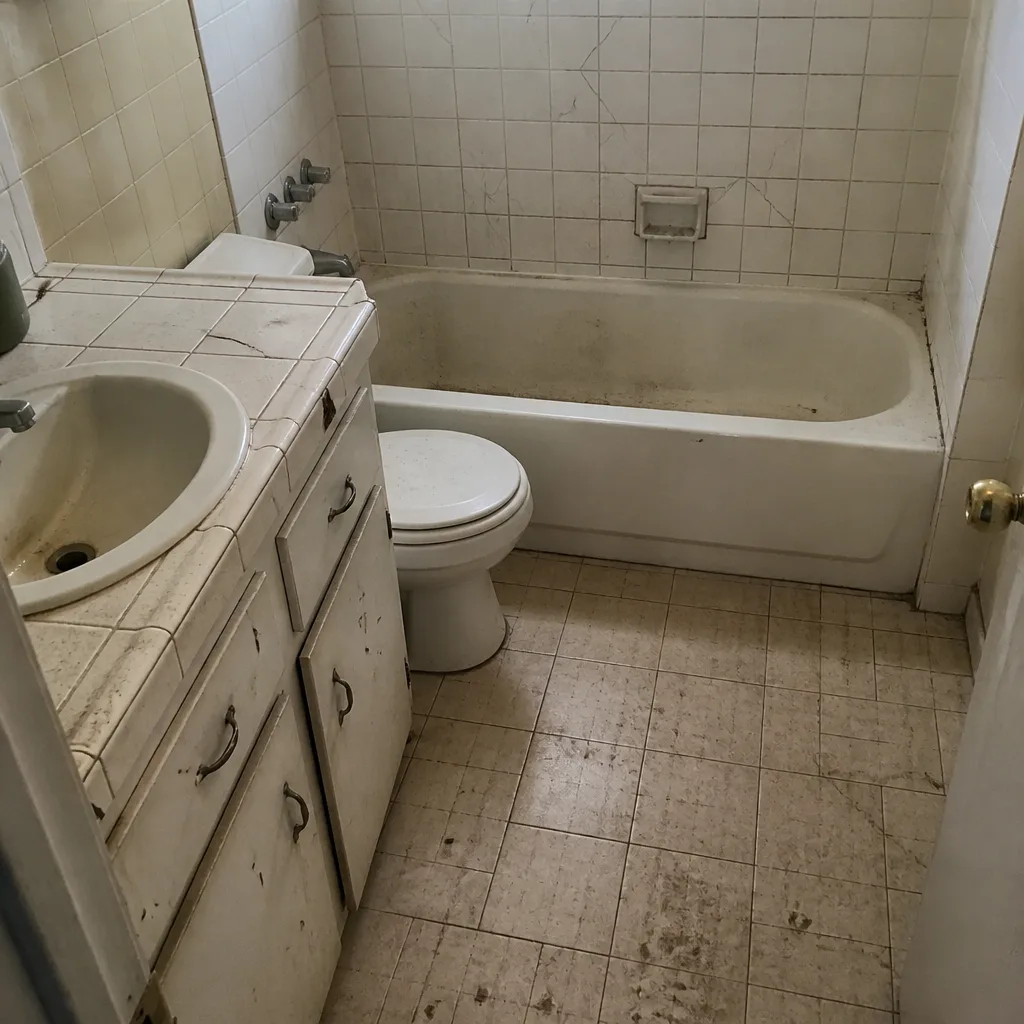 Before
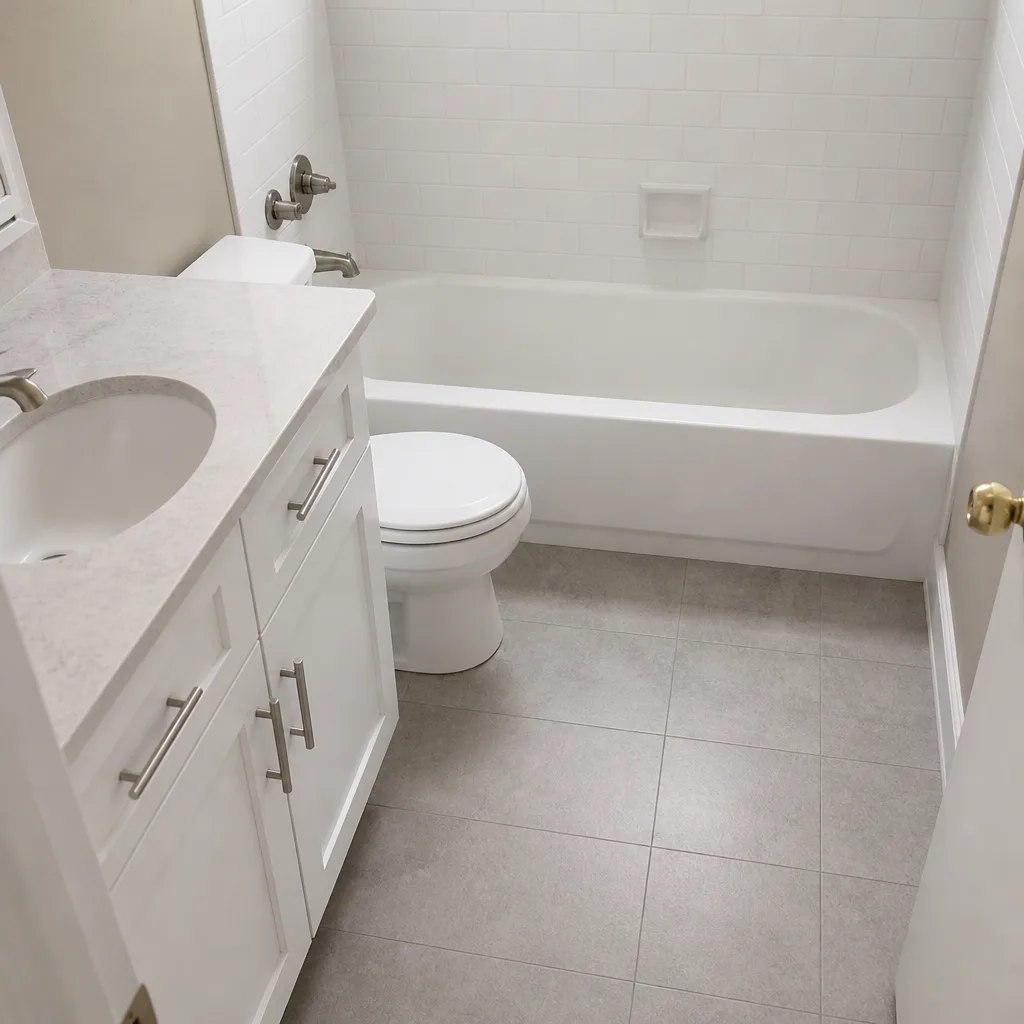 After
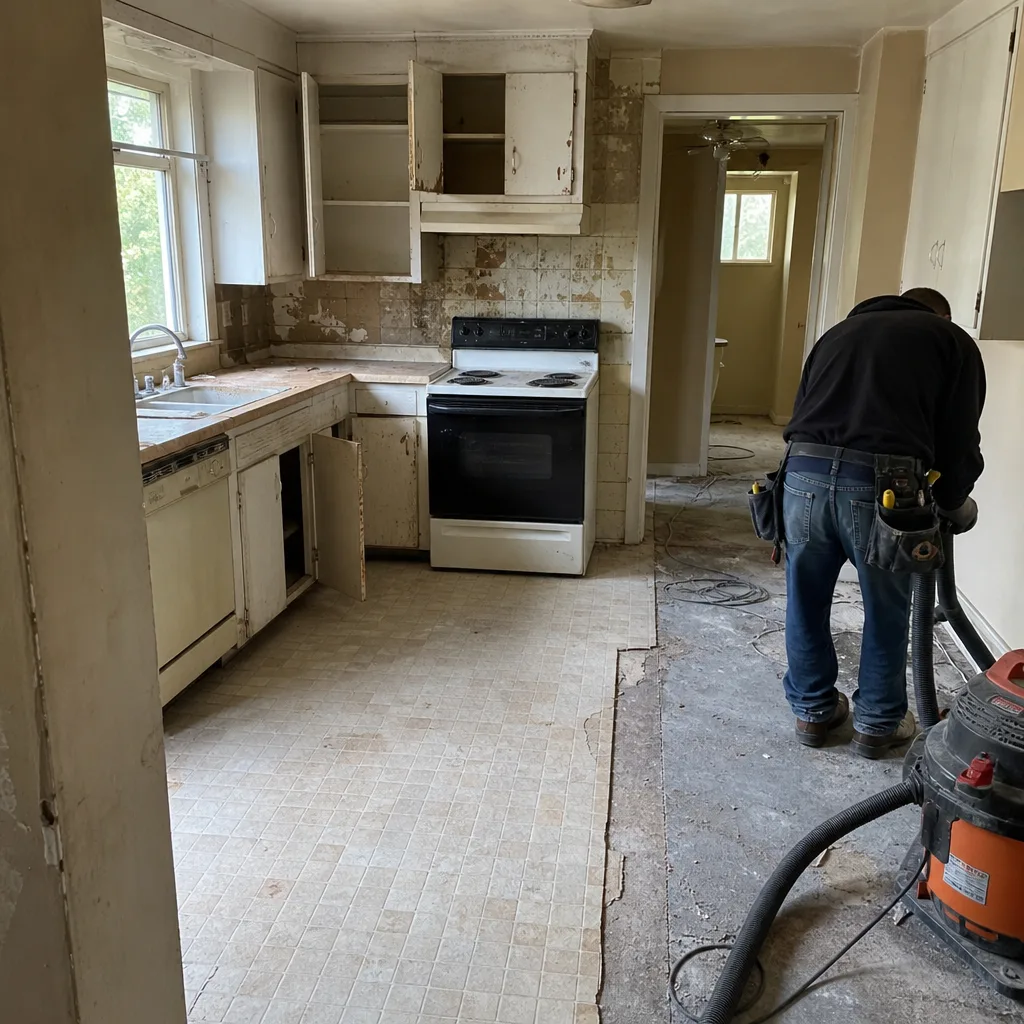 Before
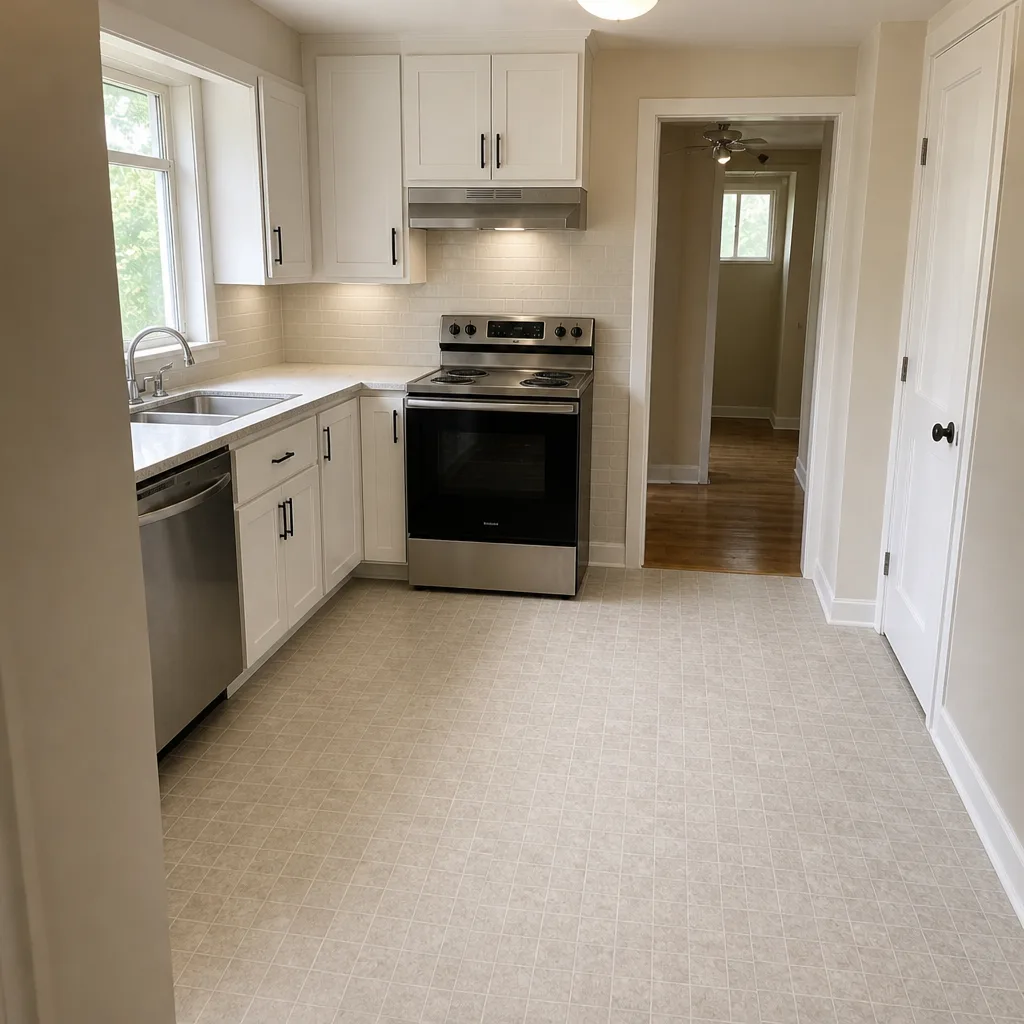 After
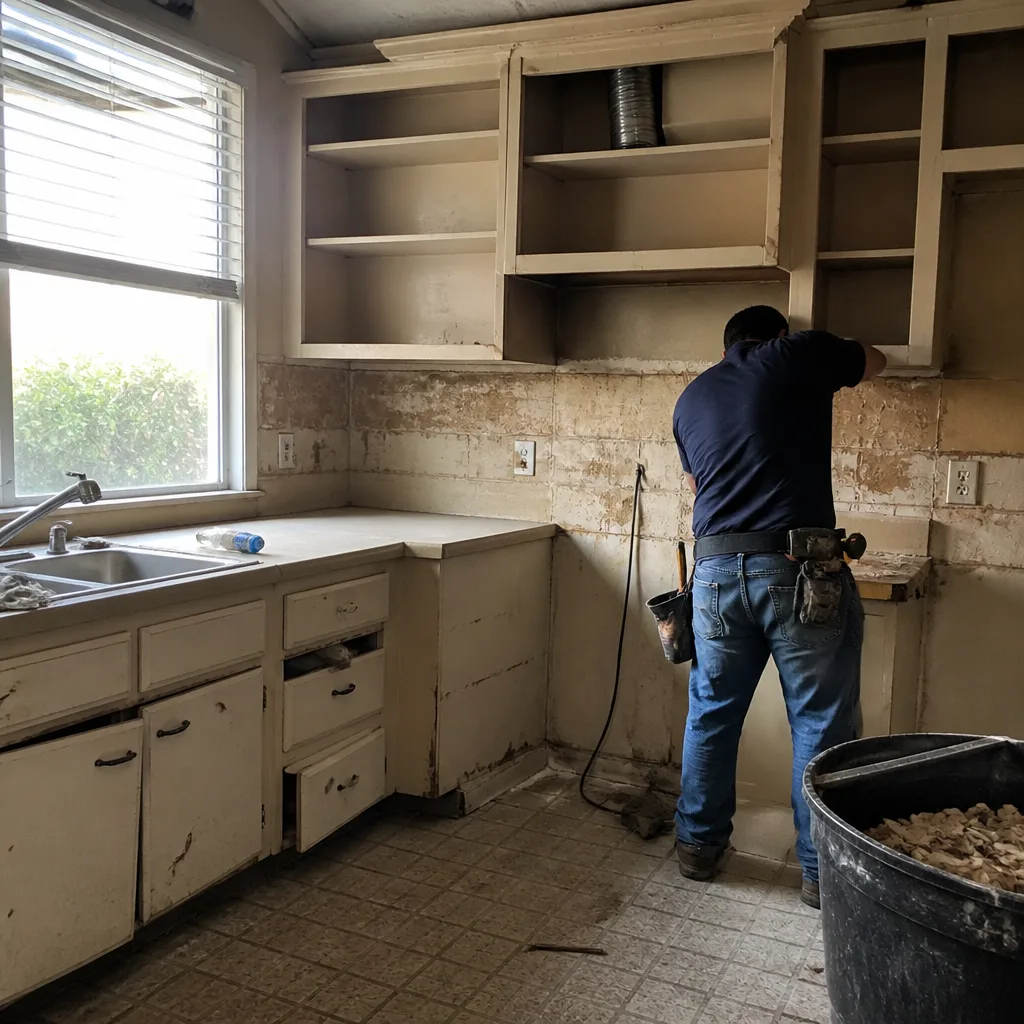 Before
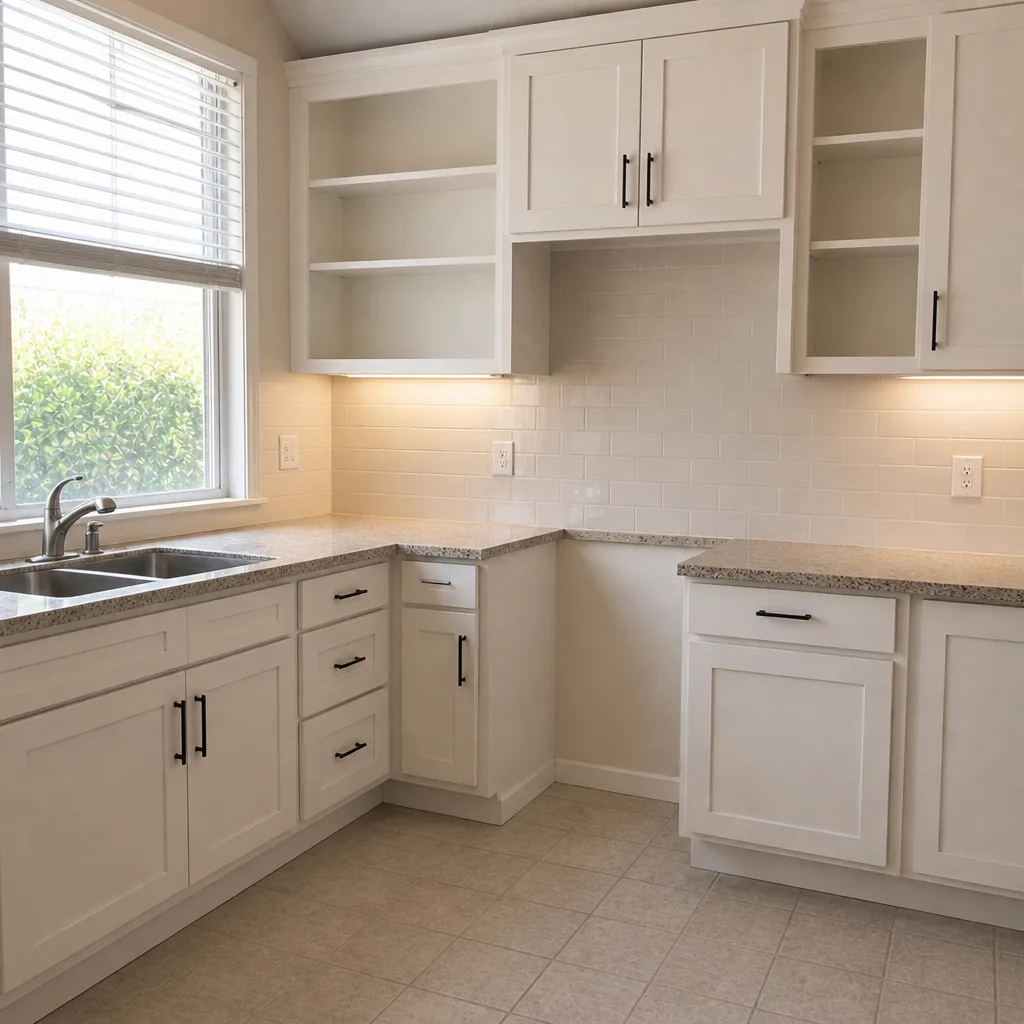 After
When to Call a Professional
Call a professional when you’re seeing two or more physical warning signs in the same room, when a bid contains substitution language you can’t resolve, or when the current contractor’s communication has stalled on a change order or inspection question. Call before you sign the next contract, not after. A professional walk-through can tell you whether the issue is cosmetic or structural, and a well-written proposal will name the products and the sequence so you can compare bids fairly. Remodeling Folsom offers free estimates in Folsom – call (279) 321-0076. We answer 24/7. Fast dispatch from 7am to 7pm, Sunday through Friday.
Frequently Asked Questions

“Or equal” gives the contractor the right to substitute a different product they consider comparable to the one specified. In practice, it’s the most common substitution hook, and the contractor’s definition of equal is rarely the homeowner’s. Ask for it to be removed and for each product to be named by brand and model.
Ask your city’s building department for the permit history on your address. In Folsom, most interior remodels that touch plumbing, electrical, or structure require a permit, and the department’s records will show whether the work was pulled and inspected. Visible signs – tile lippage, repeating grout cracks, paint adhesion failure – can suggest unpermitted or poorly prepped work, but only the permit record is definitive.
Because grout and thinset are not waterproof on their own. The membrane under the tile is what keeps water out of the wall cavity, and it carries its own manufacturer warranty only when installed to spec. A bid that names the tile but not the membrane is missing the part that decides whether the bathroom lasts. Ask directly which system will be used – Schluter, RedGard, and Wedi are the names you’ll typically hear.
Work stops for days with no written explanation, materials aren’t ordered until after the deposit clears, the request for the next draw comes early, or the pressure to pay another phase builds before the current one is finished. Normal delays are specific and announced; cash-flow problems are vague and stop work entirely. Insist on a payment schedule tied to completed phases, not calendar dates.
The honest answer is that cost depends entirely on what’s underneath. Correcting substrate, membrane, and permit gaps usually costs more than the visible surface work you originally planned, because it’s the part you never saw the first time. Call (279) 321-0076 for an exact quote – estimates are free.
Yes – permits and inspections are part of the project scope, and the proposal should state clearly who pulls them and how the inspection sequence affects the schedule. If a bid is vague on permits, treat that as a warning sign and ask directly. Call (279) 321-0076 to talk through your project – estimates are free.
The Bottom Line
The signals that predict a good remodeling project are almost always quiet. Named products in the bid, a waterproofing membrane specified by brand, a real permit section, a written schedule with payments tied to completed phases, and prompt answers to early questions. Those are the things that tell you what the build will actually be like. The dramatic red flags – blown budgets, disappearing crews, failed inspections – are the consequences of ignoring the quiet ones. If you’re preparing a project and want a proposal that names the brands, states the sequence, and reads cleanly from start to finish, that’s the standard we hold. Every finish, one contractor, with the material lineup to back the writing up. You can read more about how we approach home remodeling and see the full scope of Remodeling Folsom before you call.
Call (279) 321-0076 to schedule your free estimate. We answer 24/7. Fast dispatch from 7am to 7pm, Sunday through Friday.
Written by the team at Remodeling Folsom.