Last updated November 25, 2026
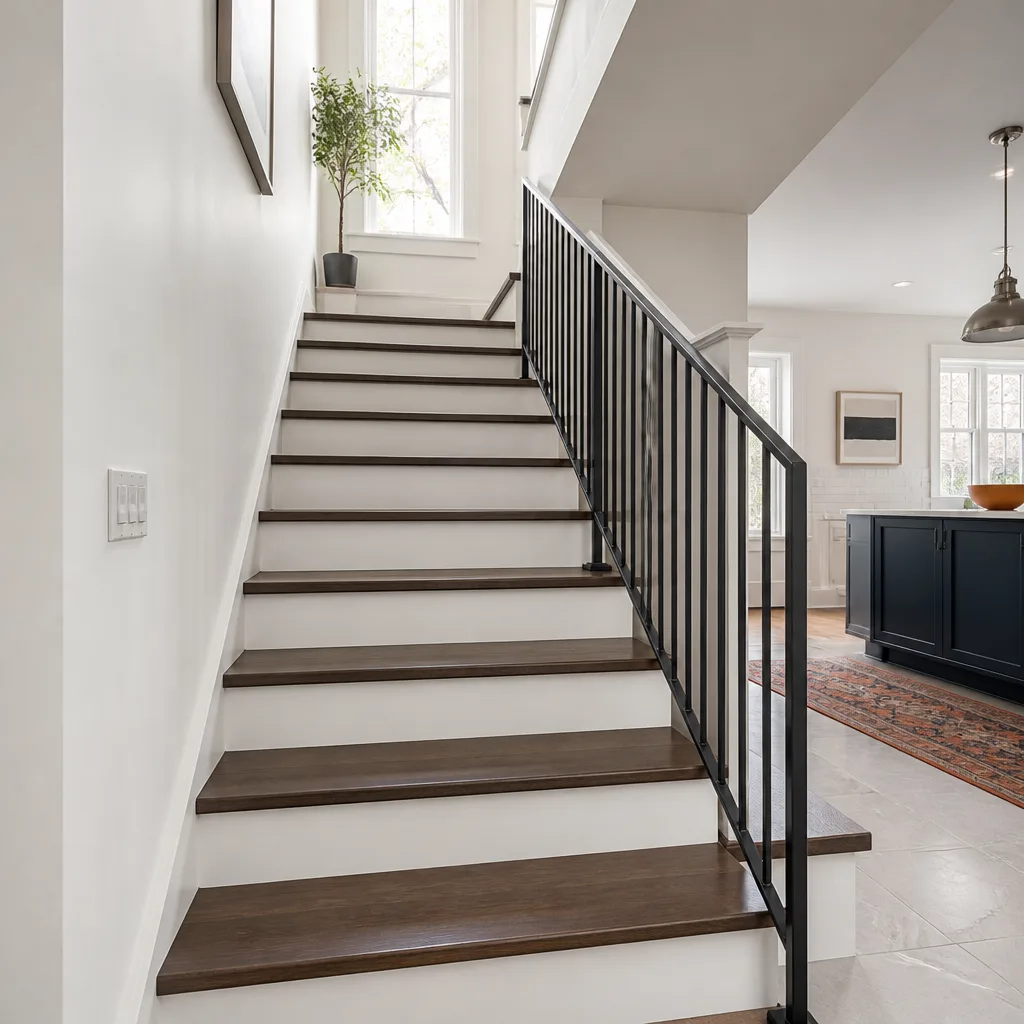

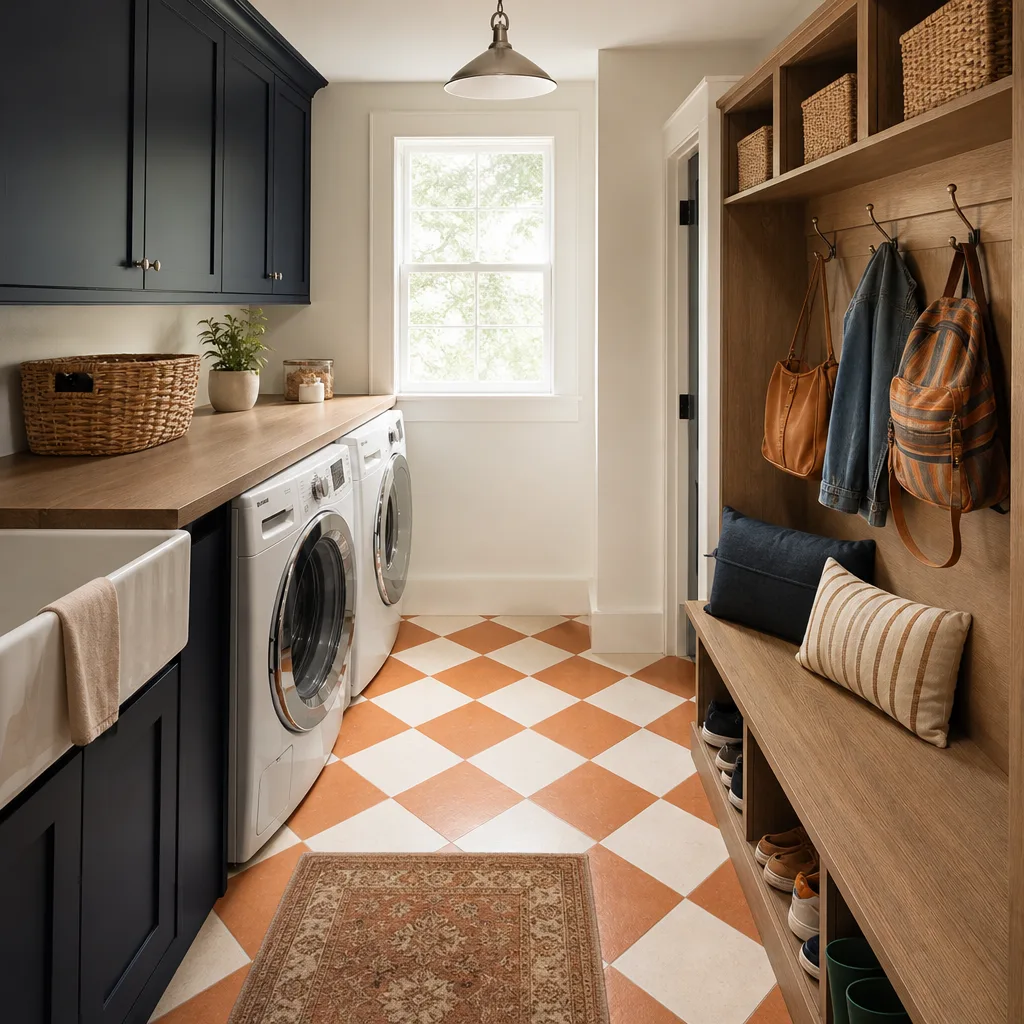



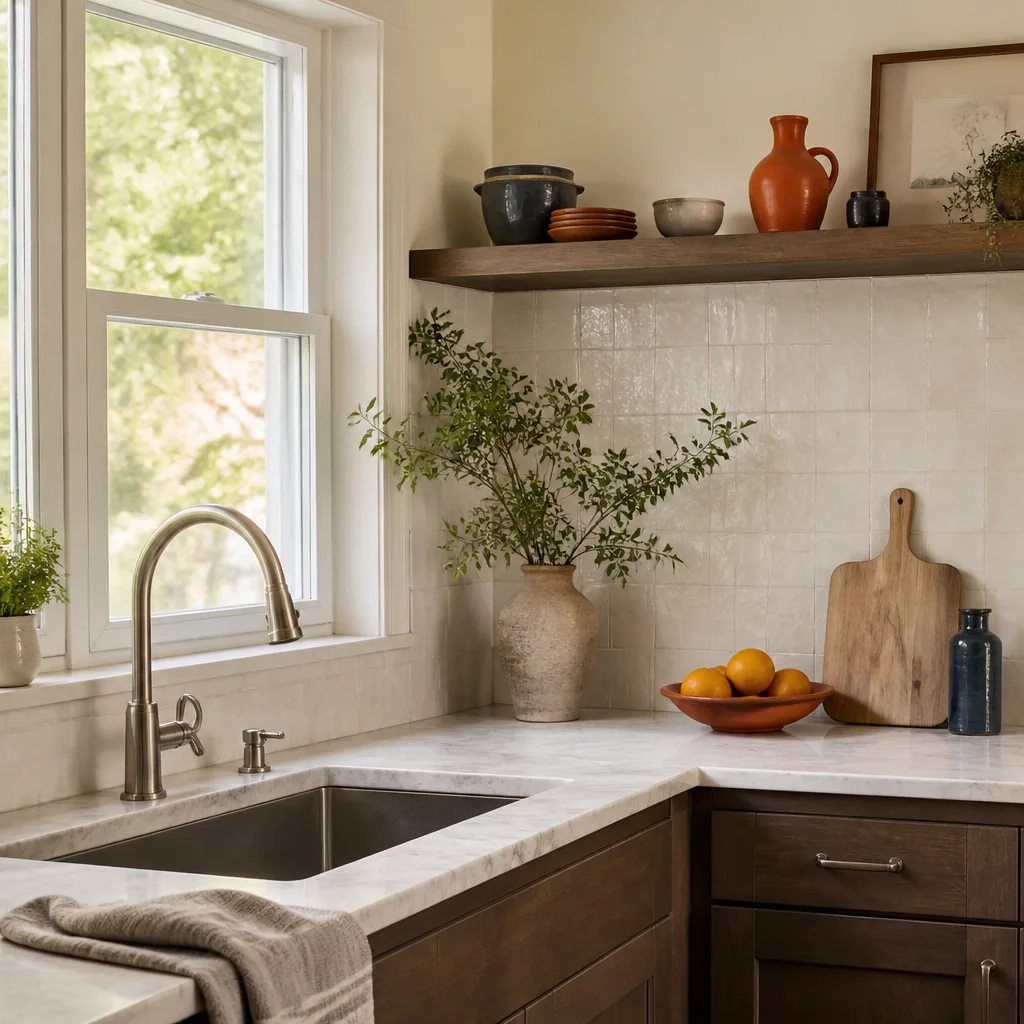
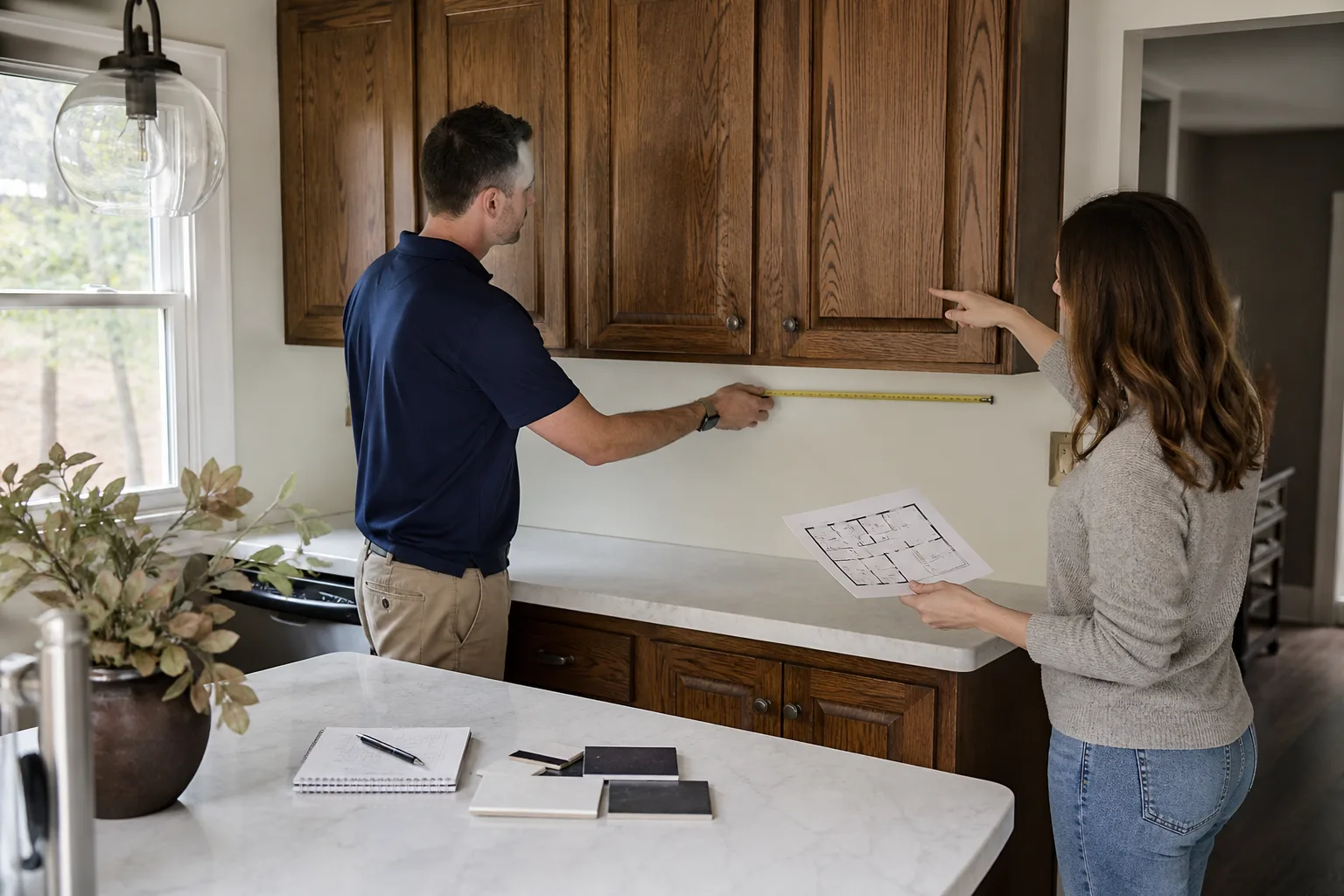
Free written scope consultation - allowances, timeline, and change-order rules on paper before a single trade is scheduled
DIY vs Professional Construction: The Folsom Homeowner’s Decision Guide
Most homeowners judge a remodeling decision by how the finished work looks on the day it’s done. That’s the wrong test. A Folsom homeowner who tiles a backsplash and ends up with a few lippage lines has a cosmetic problem they can live with. A homeowner who builds a shower pan without a proper waterproofing system like Schluter or RedGard has a structural moisture problem that won’t surface for a year and a half, and by then the framing behind the tile is compromised. The two mistakes cost wildly different amounts, and the gap between them is what this guide is about. We’ll show you which tasks are genuinely safe to take on, which carry hidden downstream costs, and how a Folsom homeowner should decide.
Quick Answer
In Folsom, cosmetic work like painting, backsplash tile on sound substrate, and fixture swaps is reasonable DIY territory for a careful homeowner. Anything that touches waterproofing, electrical circuits, plumbing supply or drain lines, structural framing, or permit-required scope belongs with a licensed professional, because the real risk isn’t a visible flaw. It’s the failed inspection, the moisture damage discovered months later, and the disclosure problem when you sell a Folsom house with unpermitted work in its history.
Styles & brands we work with
- Kitchen remodeling
- Bathroom remodeling
- Home additions & ADU
- Roofing
- Windows & doors
- Driveway & pavers
- Fence
Table of Contents
- What is the DIY vs professional decision really about in Folsom?
- Cosmetic versus substrate: the framework that decides it
- Why unpermitted work in Folsom costs you at resale
- Why tile setting in Folsom needs professional execution
- The real cost of a failed shower pan or a miscut countertop
- Where a skilled Folsom homeowner can legitimately pitch in
- A step-by-step way to score any project before you start
- Common mistakes to avoid
What is the DIY vs professional decision really about in Folsom?
The decision is not primarily about skill level. We’ve met Folsom homeowners with more patience and better tools than some paid help, and they’ve done fine work. The decision is about consequence. Some mistakes announce themselves immediately and cost a weekend to fix. Others sit quietly inside a wall or under a floor and cost five figures to undo. Your job is to figure out which kind of project you’re looking at before you pick up a tool.
Here’s a useful way to think about it. A task that lives on the surface of your home is generally forgiving. A task that becomes part of a system, meaning it holds water back, carries current, supports weight, or seals an envelope, is not forgiving. The finish you see is always the last five percent of the job. The other ninety-five percent is the part that determines whether the finish survives.
Folsom adds a wrinkle. Homes here span a wide range of vintages, from older ranch-style houses near the historic district to newer builds out toward Empire Ranch and Folsom Ranch. An older home may have wiring, plumbing, and framing that surprise you the moment a wall opens. A newer one may use materials and methods that punish improvisation. Either way, the age of the house changes what’s behind the surface, and that’s exactly the unknown a homeowner can’t see until it’s too late.
So the honest framing is financial, not personal. Ask what a mistake would cost, and who would pay for it. If the answer is “a few hundred dollars and a Saturday,” DIY is on the table. If the answer is “a torn-out wall and a permit file,” it isn’t. For the bigger picture on how a Folsom property’s scope comes together, our Remodeling Folsom overview is a reasonable place to start.
Cosmetic versus substrate: the framework that decides it
Split every remodeling task into two buckets. Cosmetic work changes the appearance of an existing, sound assembly. Substrate and system work creates or alters the assembly itself. Cosmetic work is high-viability DIY. System work is where professionals earn their keep, and where the cost of a mistake compounds.
| Task | Bucket | DIY Viability |
|---|---|---|
| Interior painting, accent walls | Cosmetic | High, if prep is done right |
| Backsplash tile over sound, flat substrate | Cosmetic | Moderate, with patience and a level |
| Swapping a faucet on existing supply lines | Cosmetic | Moderate, watch the shutoff valves |
| Replacing a toilet on an existing flange | Cosmetic | Moderate, seal and shim carefully |
| Shower pan and waterproofing | System | Low, this is where failures hide |
| Floor tile over a new substrate | System | Low, deflection and movement matter |
| Electrical circuits, outlets, panel work | System | None for a homeowner |
| Plumbing supply or drain relocation | System | None without a license |
| Moving or removing interior walls | System | None, structural and permitted |
| Cabinetry layout changes | System-adjacent | Low, coordination is the hard part |
Notice the pattern. The moment water, current, or load is involved, the project moves out of the cosmetic bucket. New construction methods have also shifted the ground here. A modern shower is not tile over mud and a liner; it’s a bonded waterproofing membrane or a foam pan system with a specific schedule. Schluter and RedGard exist because the older method failed often enough that the industry built something better. Those systems have installation requirements, and some have manufacturer warranties that only apply when installed to spec. A DIY job that skips a step doesn’t just risk a leak. It forfeits the product accountability that would have covered you.
For a fuller picture of how those assemblies come together in a full-scale project, our home remodeling coverage walks through the sequencing.
Why unpermitted work in Folsom costs you at resale
Folsom enforces building codes through the city, and the city’s stance is not unusual. Most construction that alters a structure, adds or moves plumbing or electrical, or changes a home’s footprint requires a permit and inspection. The problem is philosophical: a homeowner who pulls a permit assumes the work will be inspected. A homeowner doing unpermitted work assumes nobody will ever look. Both assumptions are tested the same way, years later, in a sale.
Here’s the sequence that catches people:
- A permit search happens early. A buyer’s agent and the buyer’s inspector will request the home’s permit history from the city. Unpermitted work has a habit of showing up as a remodeled bathroom with no corresponding record.
- The buyer gets nervous. Even work that was done well looks like risk when it isn’t documented. Buyers discount for uncertainty, and lenders sometimes hesitate on rooms that are functional but unrecorded.
- You negotiate from a weak position. You may end up paying for a retroactive permit, opening walls for inspection, or offering a credit. None of these options is cheaper than the original permit fee.
- You disclose. In California, sellers disclose known conditions and known unpermitted work. That disclosure follows the house.
In practice, then, the permit question is part of every kitchen remodeling conversation in Folsom, not a bureaucratic afterthought. When you’re planning a kitchen and wondering which scope needs paper, that’s the time to ask. A licensed local pro will tell you which parts of the job require a permit and will handle the process, including the inspections. We can’t promise how long an approval will take, because every submittal is different, but we can tell you that skipping the step never makes the file disappear.
There’s a local angle worth noting. Folsom’s housing stock includes a lot of production-built homes where the original construction used builder-grade finishes and standard methods. Homeowners buy these and want to upgrade them. An upgrade is exactly the kind of work that often crosses from cosmetic into permitted scope, especially when it touches plumbing locations, electrical circuits, or structural walls. That’s why we always frame the decision by the project category, not just a homeowner’s confidence level.
Why tile setting in Folsom needs professional execution
Tile is the most misunderstood project on the DIY list, and Folsom’s climate is part of the reason. Summer days here routinely run hot, and the temperature swing between a hot afternoon and a cool night is significant. That matters because tile, thinset, and substrate expand and contract at different rates. A tile assembly that isn’t built with allowance for movement will find a way to move on its own, and the result is usually a crack along a joint, a hollow-sounding tile, or a grout line that fails within a season or two.
The professional requirements aren’t glamorous, and that’s exactly why DIY tutorials skim over them:
- Movement joints. Tile assemblies need them at perimeters, at changes of plane, and on a spacing the installation method calls for. Grout is not a movement joint.
- Substrate flatness and deflection. Floor tile needs a floor that meets the material’s flatness tolerances and doesn’t flex. Large-format tile is especially unforgiving.
- Thinset coverage. Voids under a tile cause point loads. Good coverage means back-buttering and a trowel technique that a novice often skips.
- Waterproofing continuity. In a wet area, the membrane must run across corners, curbs, and penetrations as one continuous system. A gap of an inch is a leak.
- Grout joint proportion and sealant at movement joints. Planes that move against each other get sealant, not grout.
You can see why the finish is a poor test of a tile job. A beautifully laid shower can be a slow-growing problem if the waterproofing underneath is not right. That’s true in any climate, but the thermal cycling here makes movement especially relevant. This is where our bathroom remodeling work focuses before a single tile is set: the membrane, the pan, the substrate. The visible tile is the easy part.
The real cost of a failed shower pan or a miscut countertop
Two categories of error deserve a closer look, because both look like small savings on paper and both can escalate fast.
The shower pan
A shower pan that leaks doesn’t announce itself with water on the floor. It shows up as a soft spot in an adjacent wall, a discolored baseboard in a neighboring room, or a smell. By the time it’s found, the repair typically involves removing the shower, addressing framing and substrate, and starting over. That’s why we treat the waterproofing as the entire job, not an extra. The cost of doing it right from the start is the cost of the assembly. The cost of doing it wrong is the assembly plus the removal plus the adjacent damage, which is a much larger number. And that’s before anyone talks about what the buyer’s inspector will say.
The miscut countertop template
Natural and engineered stone counters are templated, cut, and installed. A template that’s off by a fraction shows up in the final install as a gap at a wall or a cutout that doesn’t align with the sink. There is no patching a Cambria or Silestone slab. A miscut is a new slab. When we plan kitchen remodeling projects in Folsom, the countertop template happens after the cabinets are set and level, because the cabinets are the reference. If the cabinet install is a half-inch off, the countertop inherits the error, and the remedy is a recut. That’s why cabinet layout and install belong in one coordinated scope, not a DIY base under a professional top.
Both of these share a structure. The finish looks like the product. The assembly is the product. The mistake lives in the assembly, so the savings from skipping the assembly are an illusion until the failure reveals itself.
Where a skilled Folsom homeowner can legitimately pitch in
We’re not telling every Folsom homeowner to hand over the keys. Plenty of clients want to be involved, and it’s our job to make that productive rather than a problem. There are real ways to contribute that reduce the scope we perform without compromising the parts that matter.
- Demo. Careful demolition is a real cost, and it’s a legitimate DIY contribution. Pulling finishes and hauling debris is safely done by a homeowner who’s careful with a utility knife and aware of what’s inside the wall. The line is structural: leave load-bearing removal to a professional.
- Painting. Interior painting, especially accent walls and rooms, is a practical task for a homeowner. We’re happy to leave the finished paint to you if you’d like, or to handle it as part of an interior and exterior painting scope. Either way, the prep work is what decides the outcome, so plan the patching and sanding properly.
- Fixture and finish selection. This is the one most homeowners undervalue. Spending your time on brand and material choices, rather than on a trowel, gives you the largest return for your effort. When we specify cabinetry from KraftMaid or Wellborn, surfaces from Cambria, Silestone, or Caesarstone, and plumbing from Kohler, Grohe, or Toto, your job is to decide what you want. That’s a design decision, not a labor decision. It’s where a Folsom homeowner’s knowledge and taste have the most leverage.
- Site prep and protection. Clearing a work area, moving furniture, planning access, and being around for questions all keep a job moving. Every day a crew isn’t interrupted is a day the schedule holds.
Notice the split. Contribution is strongest where the task is cosmetic, protective, or decisional. It’s weakest where the task is part of an assembly. A homeowner who brings energy to selection and demo, and hands the substrate and installations to a professional, tends to get the best result for the money.
A step-by-step way to score any project before you start
Before you decide on any Folsom project, run it through this sequence. It takes about ten minutes and prevents most of the regret we see.
- Name the work. Write it out precisely. “Tile the shower” is unclear. “Replace the shower pan, waterproofing, and wall tile” is a scope, and the distinction reveals whether it’s cosmetic or a system.
- Decide if a permit is required. Ask the city. When in doubt, assume it’s needed for plumbing, electrical, structural, or footprint changes. Most cities require a permit for this kind of work, so ask Folsom’s building department directly and get the answer for your address.
- Identify whether the work touches water, current, or load. If it does, a licensed professional is the only correct answer. Our technicians have up to 11 years of experience, and anyone we connect you with is licensed and insured as their state requires.
- Estimate the failure cost. Ask what happens if the job fails in a year. If the repair cost is many times the installation cost, hire.
- Check the material warranty terms. Many premium products, from mounted fixtures to waterproofing membranes to cabinetry, carry manufacturer warranties that depend on qualified installation. A DIY install can void them.
- Plan the sequence. Even on a hybrid job, the order matters. Cabinets before templates. Substrate before tile. Painting after the mess. A sequence that’s planned avoids the rework that eats a homeowner’s savings.
- Decide the split, and write it down. What you’ll do, what the professional will do, and where the handoff is. A clean handoff is the whole game.
We use this same thinking when we scope a job. It’s not a gatekeeping exercise. It’s the fastest way to see where your time is worth spending and where it isn’t.
How do I know whether my Folsom project needs a permit?
For a reliable answer, check with the city of Folsom’s building department, because the final word is local. As a rule of thumb, cosmetic work like paint, cosmetic tile over sound substrate, and finish swaps typically doesn’t require a permit, while plumbing, electrical, and structural changes typically do. If a project adds or moves a fixture, changes a wall, or touches a circuit, treat a permit as likely. When you hire for that scope, the professional should handle the permitting and inspections as part of the job.
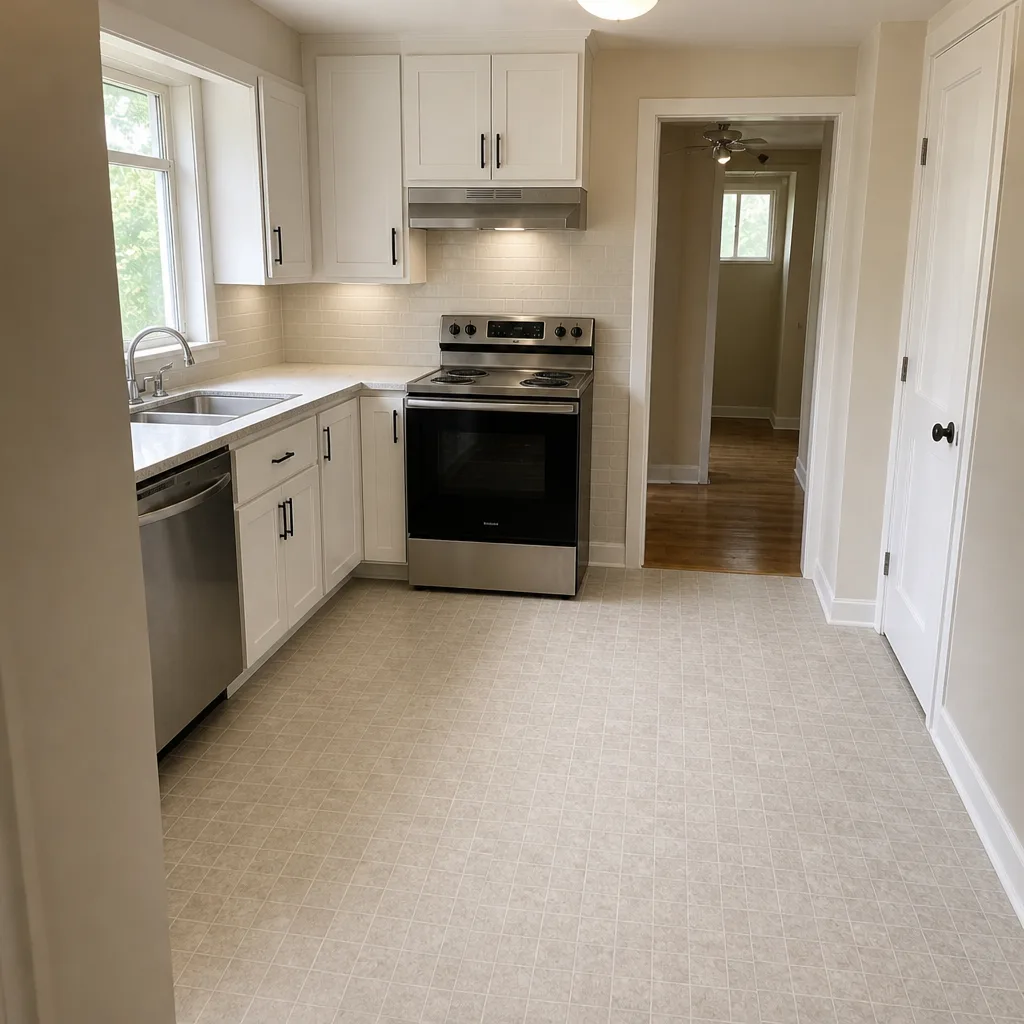
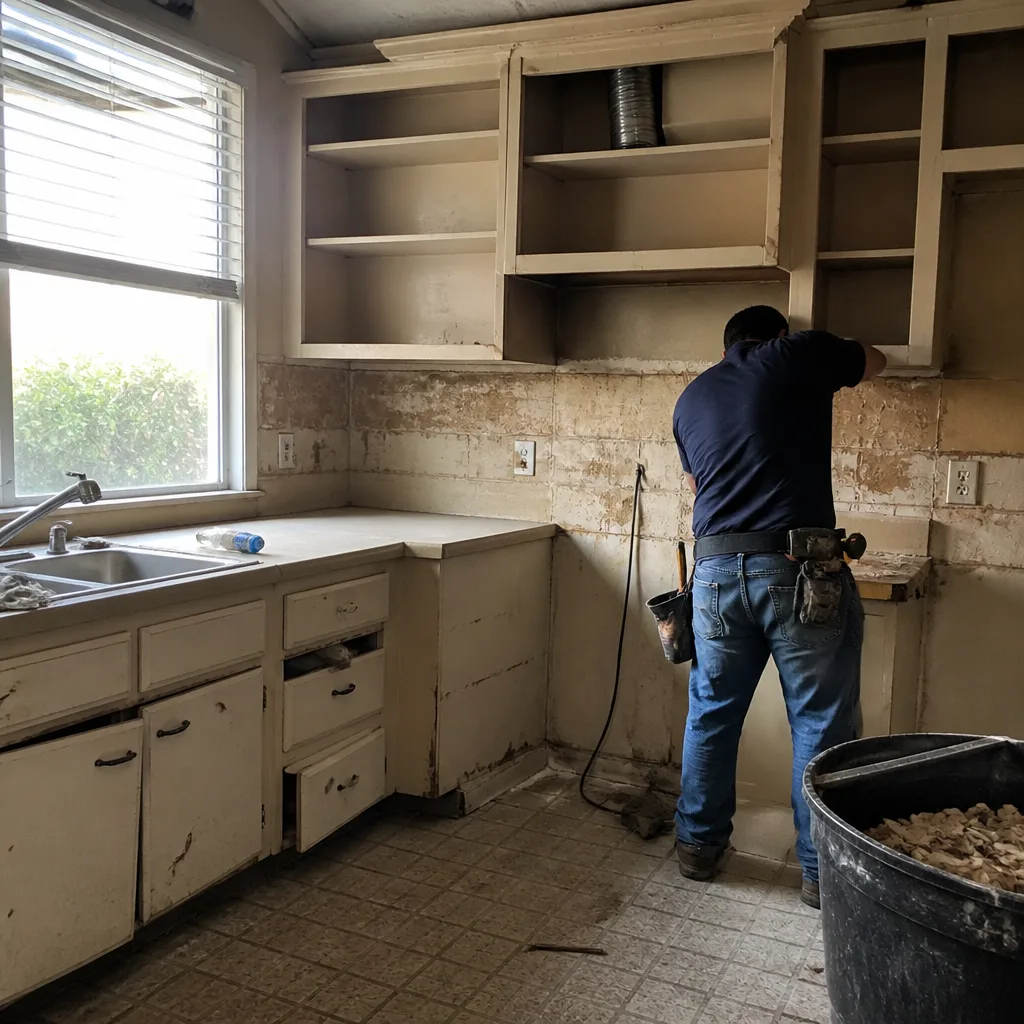
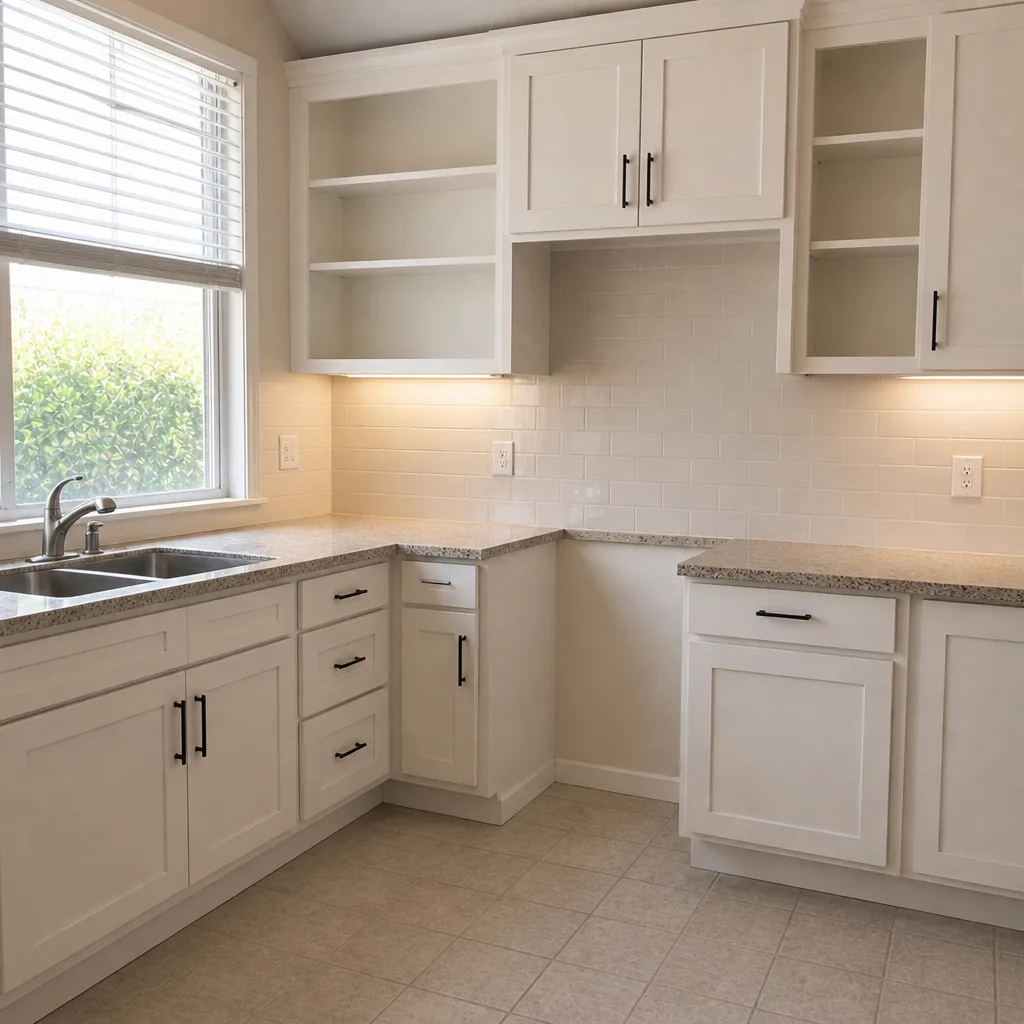
See the difference
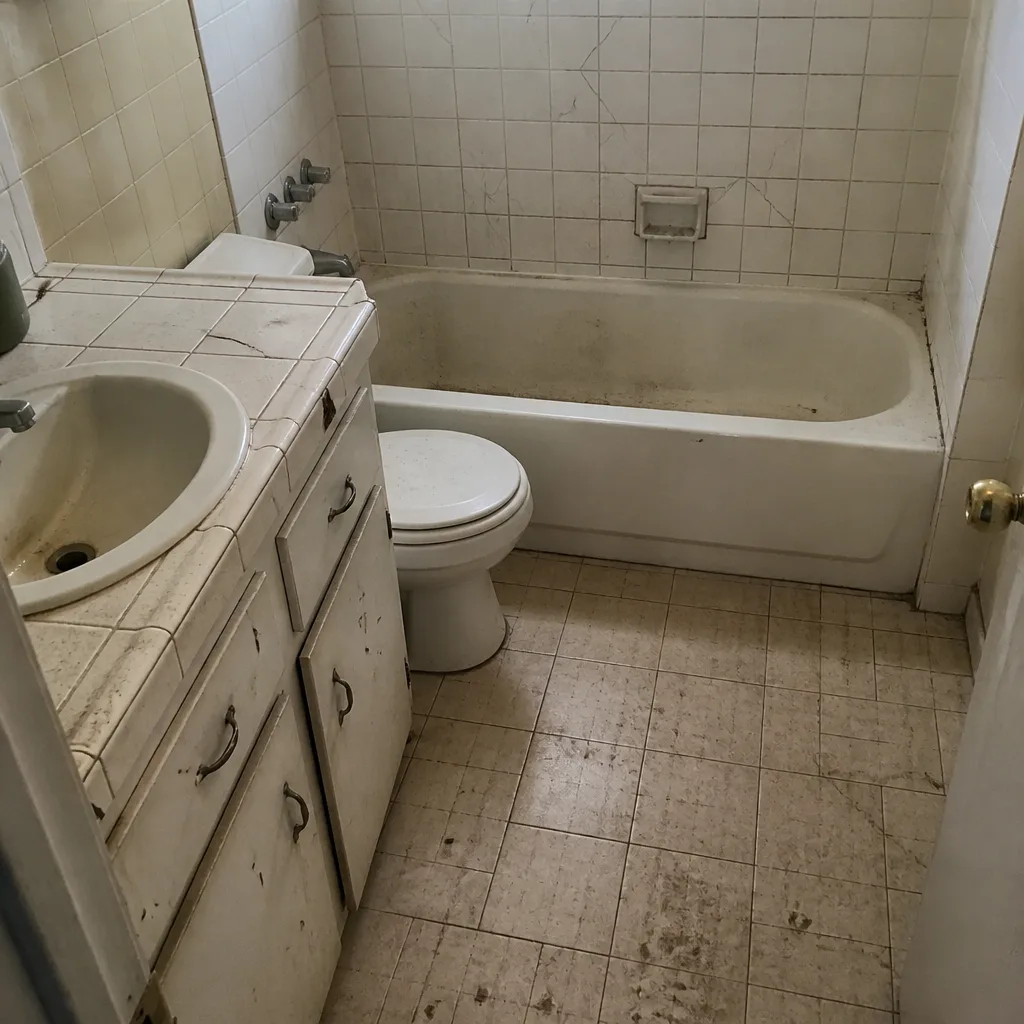 Before
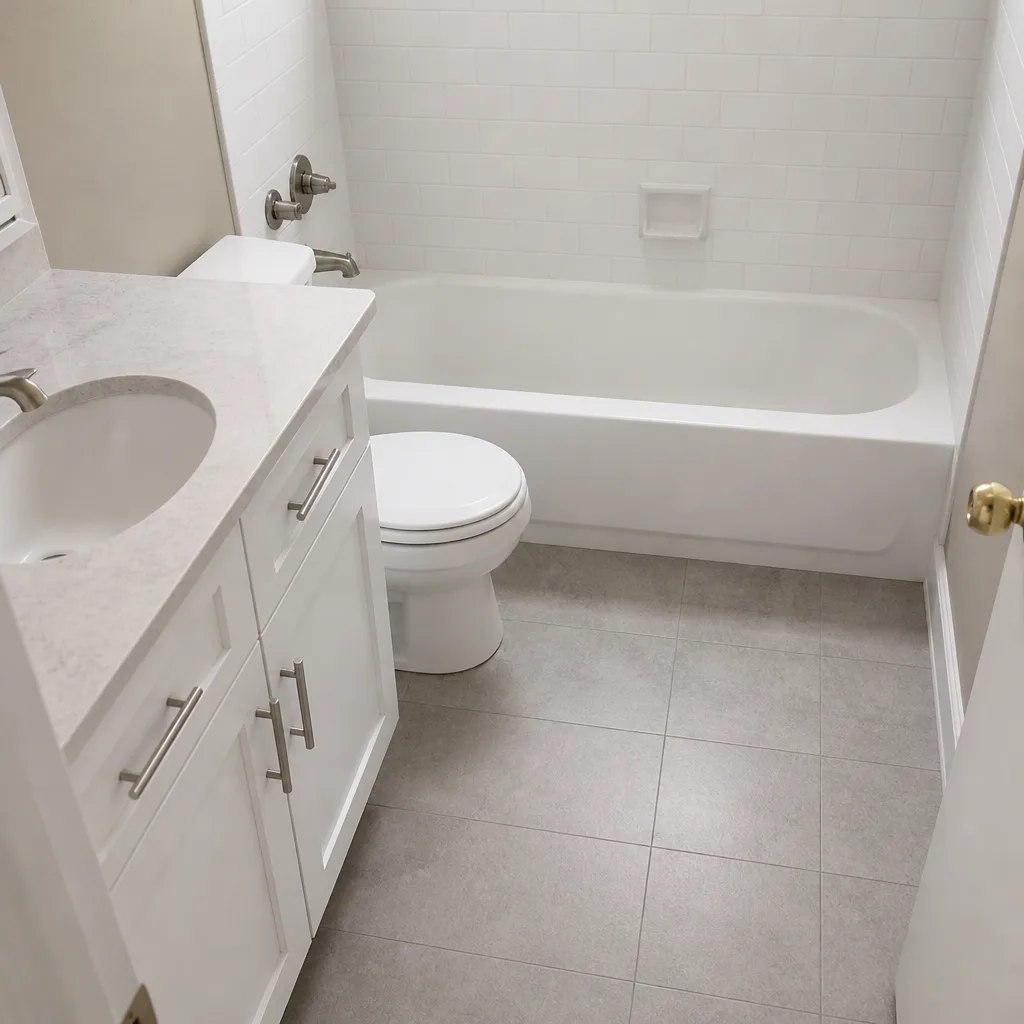 After
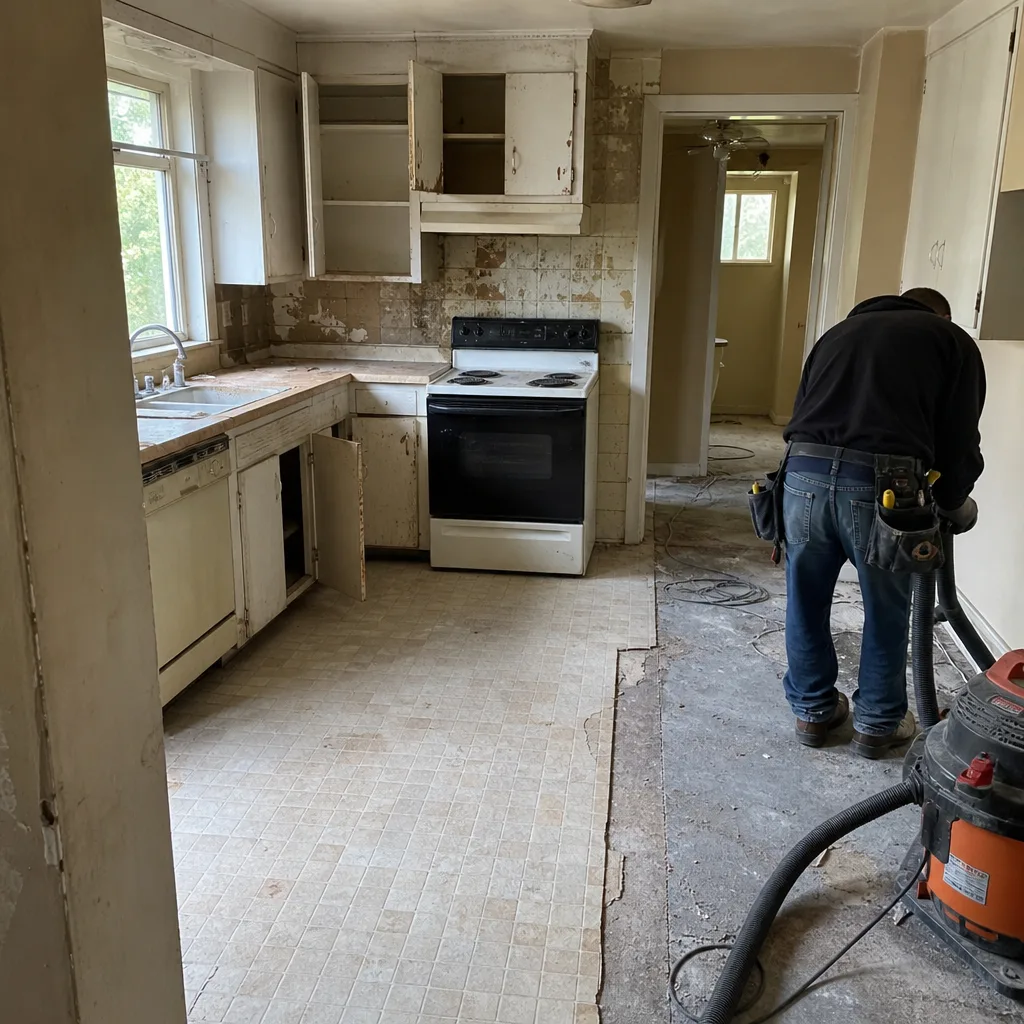 Before
 After
 Before
 After
Common Mistakes to Avoid
- Treating tile as cosmetic when it’s system work. Tile in a wet area is a waterproofing job with a tile finish. Skipping the membrane or the movement joints is the most expensive shortcut in remodeling.
- Starting a cabinet install before the layout is final. Countertop templates depend on set, level cabinets. A late layout change forces a recut or a new slab, and there’s no patching stone.
- Doing unpermitted plumbing or electrical because it’s easier. In Folsom, that record shows up in a permit search at resale and costs more then than the permit would have now.
- Buying builder-grade materials to match a low bid. The material is most of what you’ll live with. We specify premium brands like KraftMaid, Cambria, Kohler, and Grohe by name because the difference holds up.
- Hiring separate contractors for finish work that depends on each other. Flooring, cabinetry, countertops, and paint are one sequence. Split them across contractors and you own the accountability gaps.
- Assuming the internet’s tile advice applies to your home. Tutorials rarely address the substrate conditions, movement joints, and waterproofing continuity that a real installation requires.
- Choosing a professional on price alone. The cheapest bid is often the one that trades away the parts you can’t see. A written, line-item quote shows what you’re actually getting.
When to Call a Professional

Call when the job touches anything that holds water, carries current, or supports a load. That includes any shower or wet-area build, plumbing supply or drain changes, electrical circuits and panel work, wall removals or structural changes, and any job where a permit will be required. Call when a premium material needs a warranty-valid install, like a membrane system or engineered stone. Call when coordinating multiple trades is the real risk, because the sequencing is where projects slip. And call when a mistake would cost ten times the installation, which covers most of the work in a kitchen or bath.
Remodeling Folsom offers free estimates in Folsom. Call (279) 321-0076. We answer 24/7. Fast dispatch from 7am to 7pm, Sunday through Friday. The written estimate sets the price.
Frequently Asked Questions
Fixing a failed shower typically means removing the tile and pan, addressing moisture in the framing and substrate, and rebuilding the waterproofing and finish, so the estimate is closer to a full shower replacement plus any adjacent repair. The exact figure depends on how far the damage reached, and the written estimate sets the price. Call (279) 321-0076 for an exact quote, because estimates are free and the scope has to be seen.
Careful demolition and debris removal are the most reliable ways a homeowner saves on a remodel. The rule is simple: pull finishes, don’t pull structure. Know which walls are load-bearing before you swing a hammer, and let a professional handle anything that touches the structure, and you’ll get real savings without putting the project at risk.
It shouldn’t. We work from a written, line-item estimate, and our pricing is fixed, with no change orders on the scope we’ve agreed. If a hidden condition turns up mid-job, like framing that needs repair, we document it and talk to you before anyone proceeds. The point of an estimate is to take the surprises out of the budget.
Yes. Permitting and inspections are part of the job on any scope that requires them, and the licensed local professional handles the process. We’d rather file the paperwork than have you explain unpermitted work to a buyer’s agent down the road. If you’re not sure whether your project needs a permit, just ask when you call.
A single-room job moves faster than a whole-home scope, and any timeline depends on material lead times and inspection scheduling. We give you a realistic schedule with the estimate, and we coordinate the trades so the floor, cabinets, surfaces, and paint follow each other in a planned order. We answer 24/7, so you always have a way to ask.
Often, yes, and we’ll talk through it when we scope the job. The one caution is that some products carry installation requirements or warranties tied to how they’re installed, so it’s worth checking before you buy. Where it matters, we spec premium brands in the first place, so the material and the installation come from one accountable source.
The Bottom Line
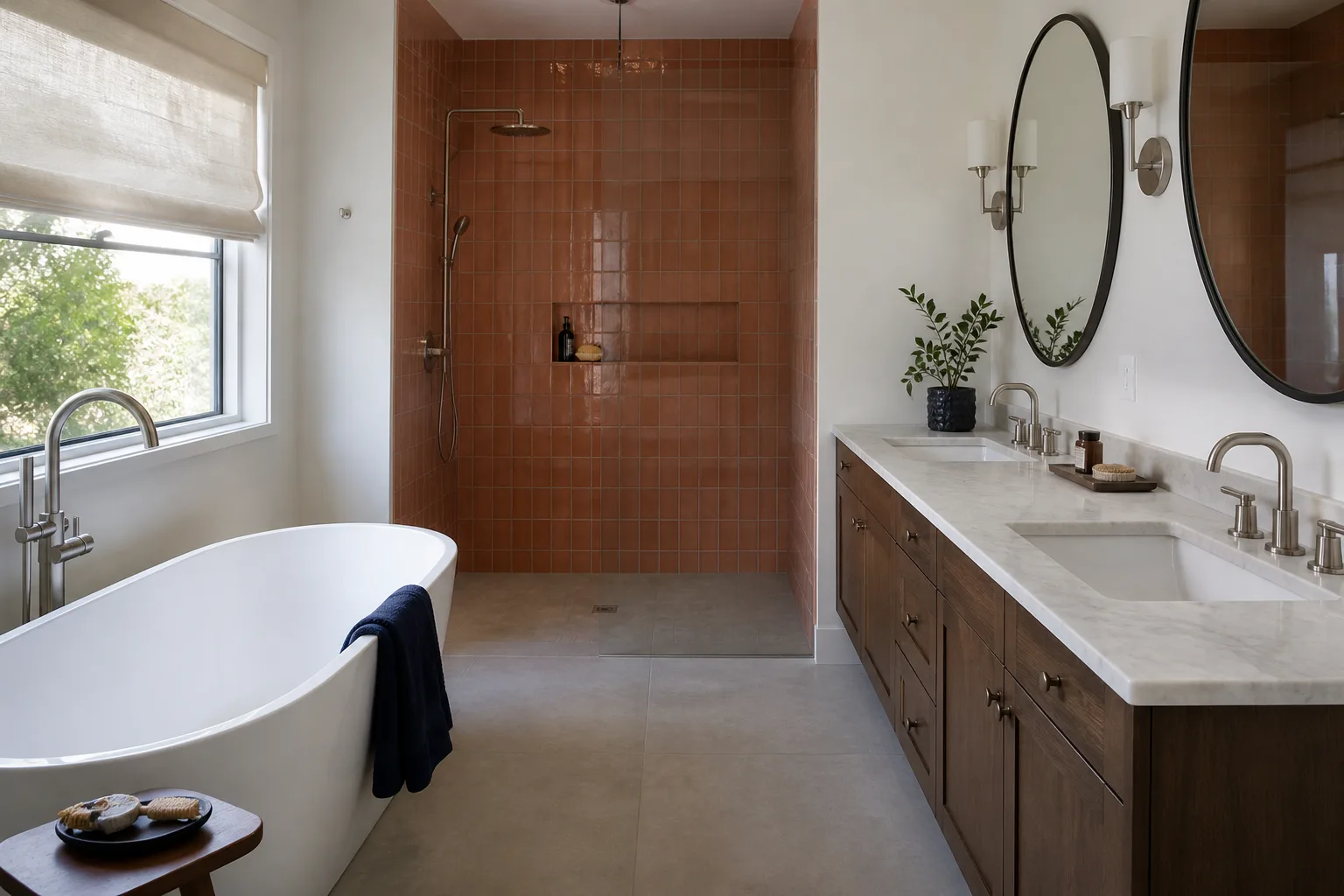
The DIY vs professional question in Folsom comes down to what a mistake would cost. Cosmetic work, careful demo, and finish selection are good places for a homeowner’s time. Waterproofing, electrical, plumbing, structural work, and anything requiring a permit are where the hidden costs live, and where doing it wrong shows up months later. Tile in a wet area is the clearest example, because the assembly is the product, not the surface. Our advice: contribute where it’s safe, hire where it’s structural, and get a written estimate before you decide. It’s the cheapest insurance against the expensive surprises.
Ready to plan your Folsom project? Call Remodeling Folsom at (279) 321-0076 for a free estimate. We answer 24/7. Fast dispatch from 7am to 7pm, Sunday through Friday. One contractor, every finish.
Written by the team at Remodeling Folsom.