Last updated November 25, 2026

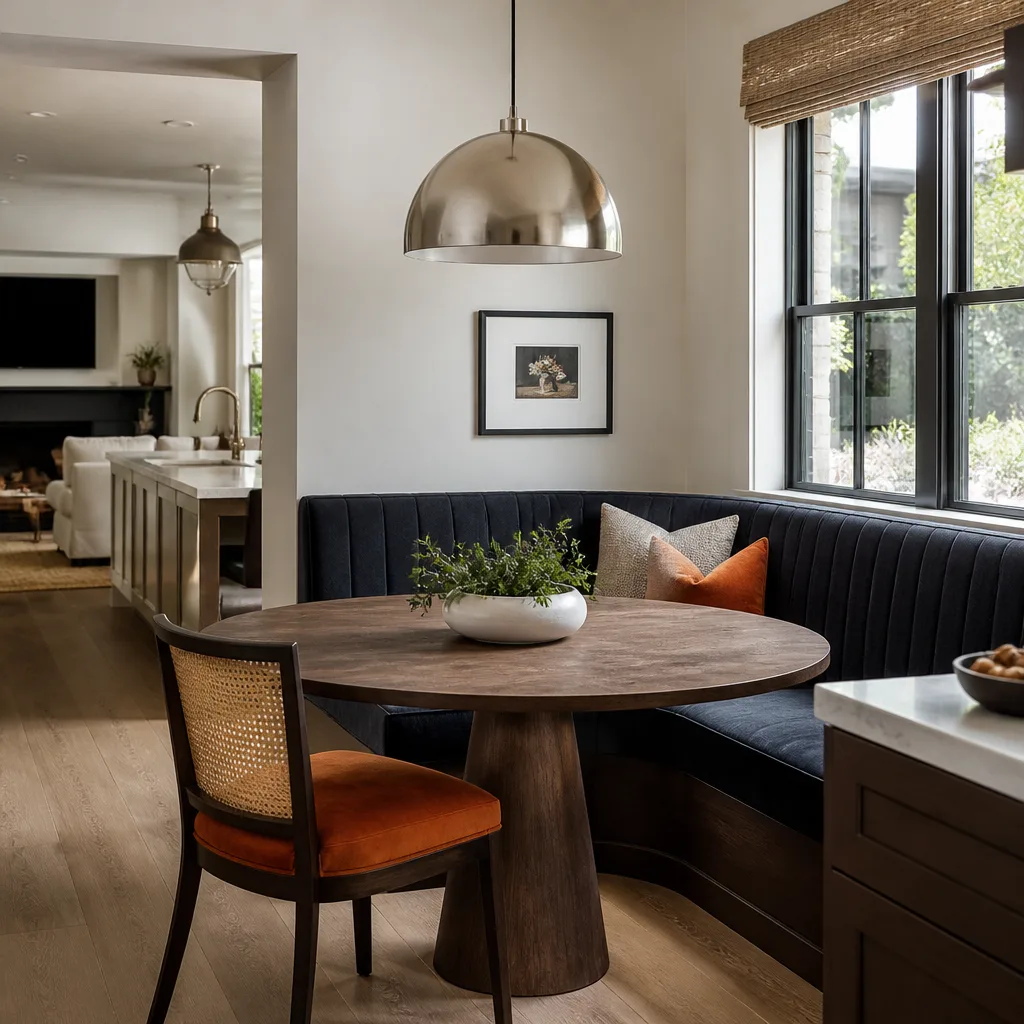
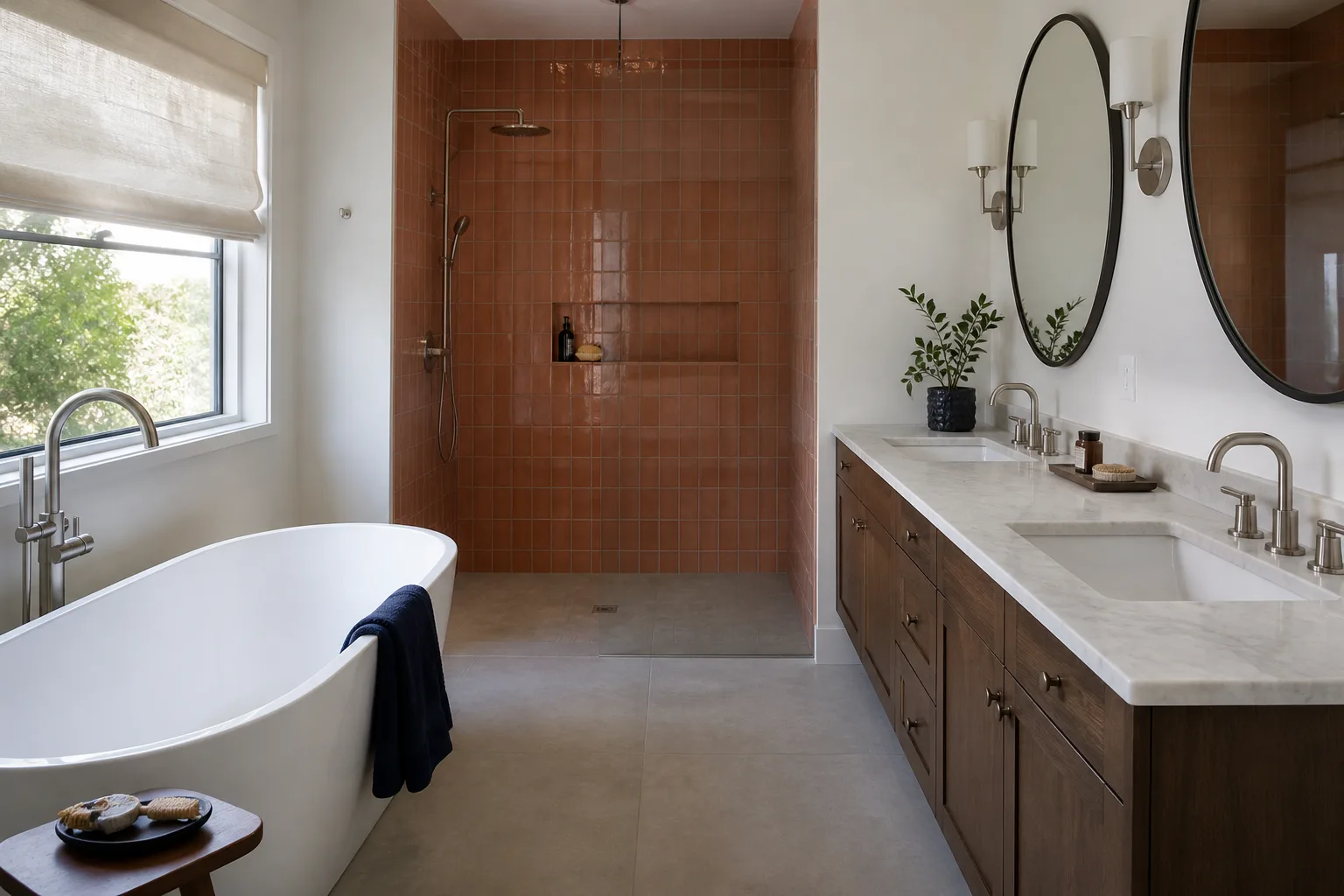
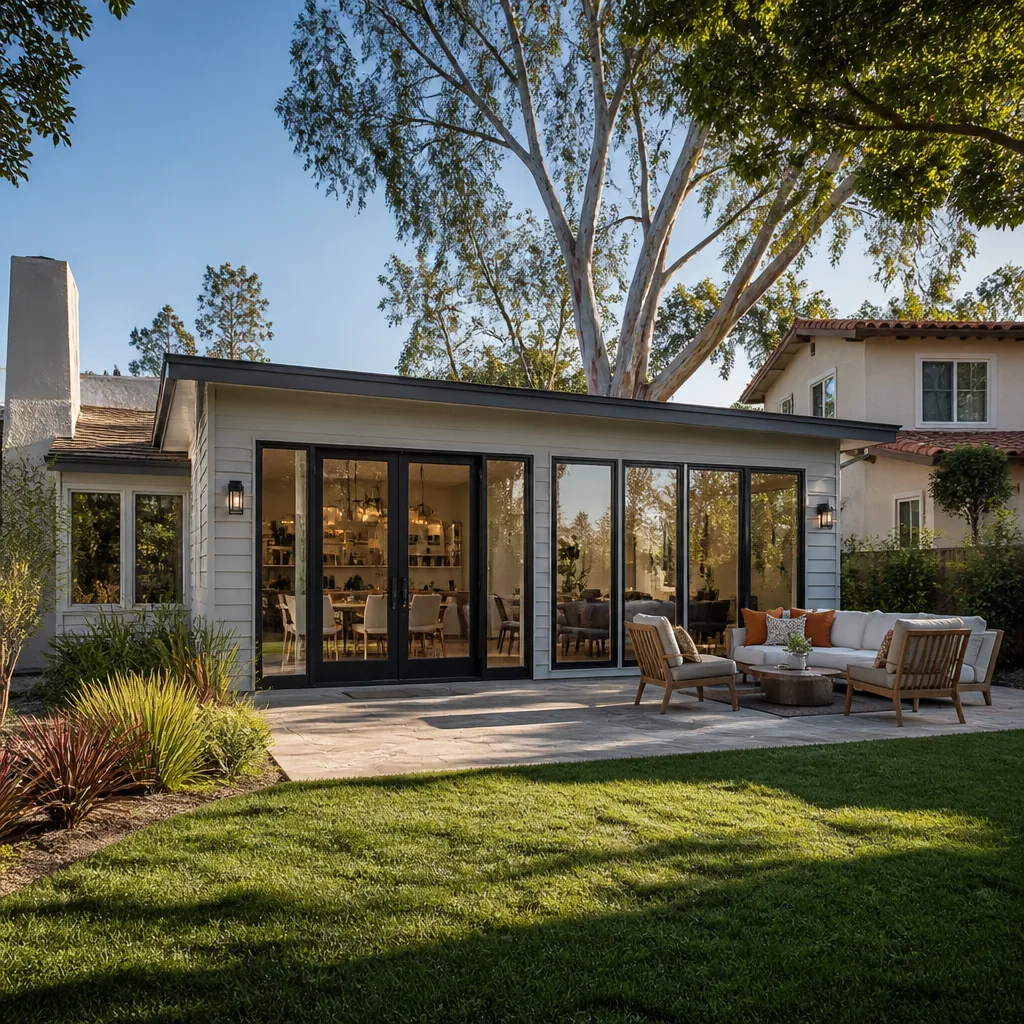
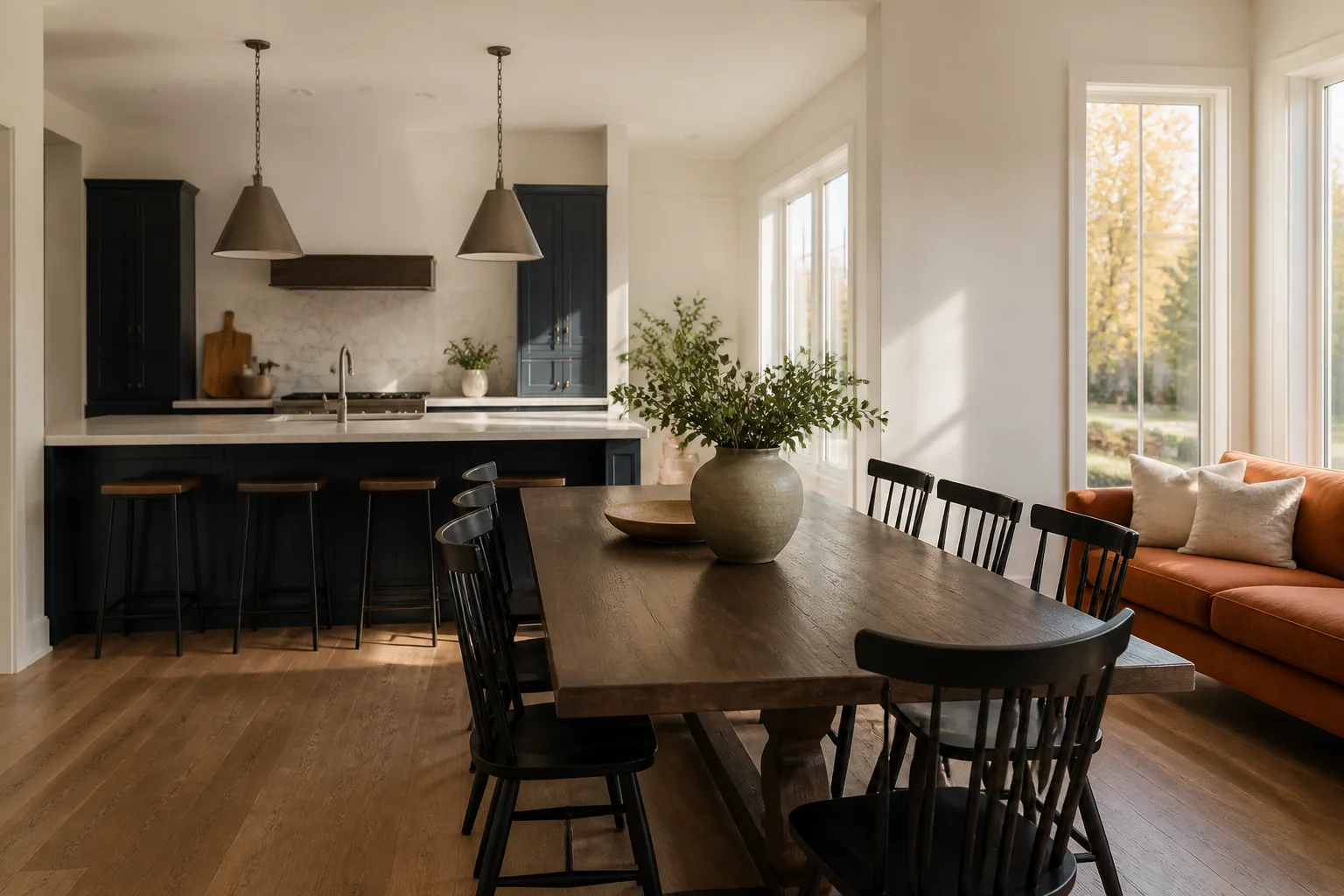
Free written scope consultation - allowances, timeline, and change-order rules on paper before a single trade is scheduled
The Complete Home Remodeling Guide for Folsom Homeowners
Most Folsom homeowners spend more time choosing a paint color than vetting the cabinet box construction that will outlast three repaints. That single inversion explains why so many finished remodels feel flat: the decisions that carry the most weight get the least scrutiny. This guide flips it. You’ll learn when each material category actually gets locked in (and when your leverage quietly disappears), how Folsom’s climate shapes flooring and exterior choices, how to read a scope of work for buried substitutions, and where the brand tiers really diverge. It’s the framework we use on every job in Folsom, written down so you can hold any contractor to it.
Quick Answer
A complete home remodel in Folsom runs in five phases: design and scope, permitting, demolition and rough-in, surfaces and fixtures, then finishes and paint. The single biggest driver of how the finished home looks and holds value is the material tier you lock in during design, not the construction method itself. Kitchens and bathrooms carry the most decision density, and every decision you defer to the contractor hands them the leverage to substitute builder-grade for premium.
Styles & brands we work with
- Kitchen remodeling
- Bathroom remodeling
- Home additions & ADU
- Roofing
- Windows & doors
- Driveway & pavers
- Fence
Table of Contents
- The Five-Phase Decision Map
- Why Folsom’s Climate Rules Out Certain Materials
- How to Read a Scope of Work Like a Contractor
- The Cabinet Tier Ladder: IKEA to Inset
- Countertops and Fixtures: Where the Money Goes
- Permit Realities in Folsom vs. the El Dorado Hills Boundary
- Flooring That Survives a Folsom Summer
- Why One Contractor Beats Six
The Five-Phase Decision Map
Every remodel is a sequence of decisions dressed up as a sequence of construction tasks. Understanding which is which tells you exactly when you’ve lost the ability to change your mind cheaply. Here’s how we map it.
Phase 1: Design and Scope
This is where material categories get locked. Cabinetry, countertop material, flooring type, and fixture family all belong here, before demolition. Once the order goes in, changing a cabinet door style or a countertop thickness means reworking dimensions, electrical rough-in, and plumbing locations. Lock categories now; lock exact SKUs before demo.
Phase 2: Permitting
Permit drawings specify what’s being built, not what it’s made of. That means a permit application rarely locks your material choices – which is exactly why substitutions can happen after approval. Read your scope document against the approved drawings to spot the gap.
Phase 3: Demolition and Rough-In
Rough-in (framing, electrical, plumbing, HVAC) is where the layout becomes real. This is the last window to relocate a sink or add a circuit before the walls close. Any change after this point is a change order.
Phase 4: Surfaces and Fixtures
Cabinets set, then template the countertops (templating happens after cabinet install, which is why a cabinet delay cascades). Flooring goes in. Fixtures install. This is where brand decisions become visible, and where grade slips show fastest.
Phase 5: Finishes and Paint
Paint, trim, and final touch-ups. Deferred at your peril: painting before the flooring or cabinet install is scheduled means repainting after. Sequencing finishes last is not laziness, it’s protection.
If you’re mapping this out for a whole home, our Remodeling Folsom overview is a reasonable starting point for the full scope.
Why Folsom’s Climate Rules Out Certain Materials
Folsom sits in a valley climate with long, hot summers and winters mild enough that frost is occasional rather than routine. That combination creates a specific set of winners and losers among materials.
- Wood flooring: Solid hardwood moves with seasonal humidity swings. In an unconditioned entryway or a space with large west-facing glass, it can gap and cup. Engineered hardwood or a quality laminate handles the swings far better.
- Luxury vinyl plank: This is where Folsom’s heat spikes matter. Cheap LVP under a hot west window can soften, then peel at the seams. Rigid-core planks resist it; thin glue-down products don’t.
- Tile: Porcelain is the safest surface in Folsom. It won’t care about the swing between a 105-degree afternoon and a 40-degree morning.
- Exterior paint: UV exposure here is brutal. A quality acrylic exterior paint with proper primer is not optional if you expect the finish to last a full cycle. James Hardie cladding holds up under Folsom sun far better than standard wood siding.
- Cabinetry: In a kitchen with a lot of south or west glass, dark painted cabinets fade over a decade. Solid wood or textured thermofoil handles the solar load better than smooth-painted MDF doors.
None of these is a matter of taste. It’s a matter of how a material behaves in a place where summer heat is real and winter rarely gives a hard freeze.
How to Read a Scope of Work Like a Contractor
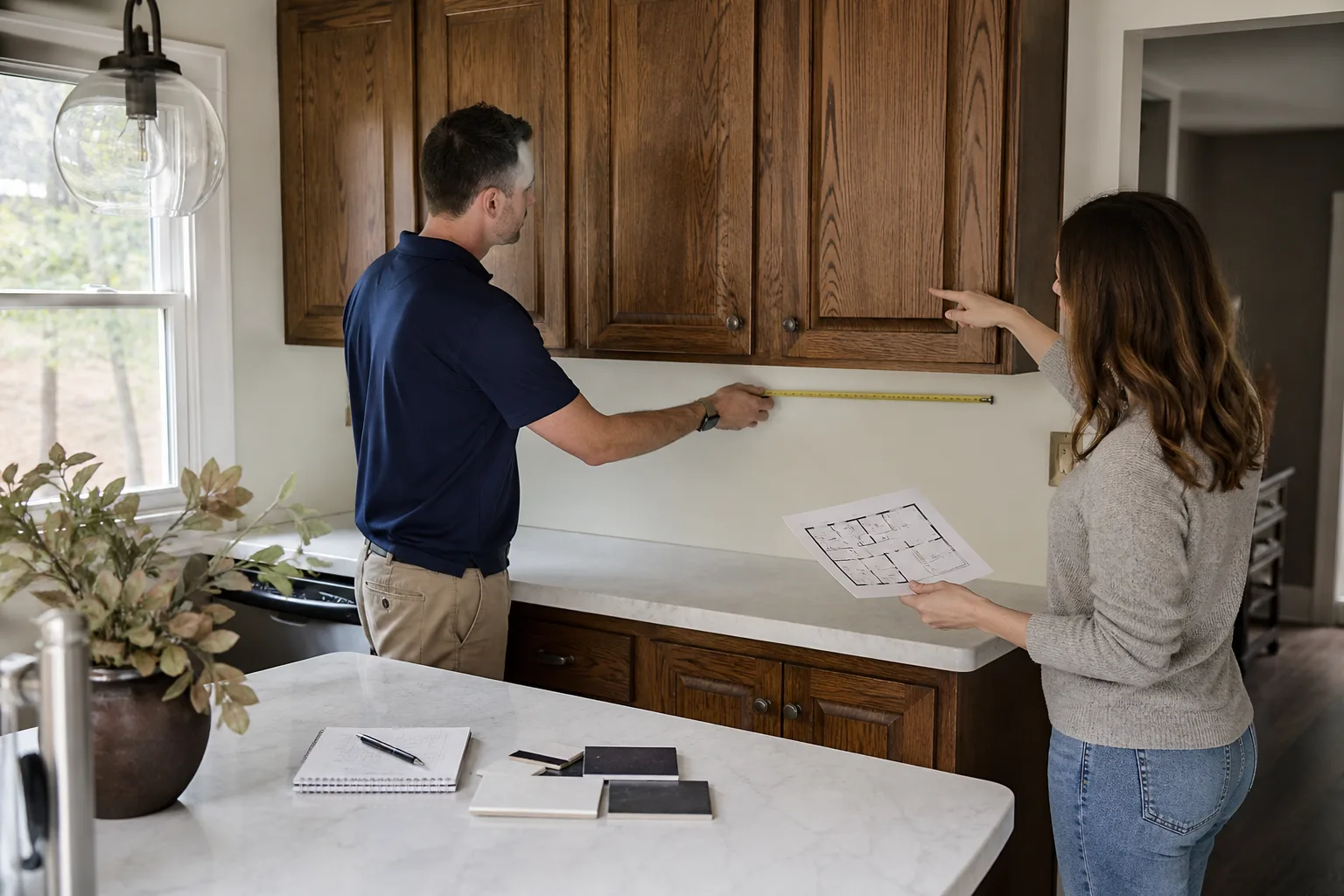
A scope of work is a legal document with three purposes: it defines what’s included, it defines what isn’t, and it defines what happens if you change your mind. Most homeowners read it as a to-do list. Read it as an exclusion list instead.
- Look for the word “or equivalent.” It should be followed by a specific brand and model, or it’s a gateway to substitutions. If your scope says “KraftMaid or equivalent,” ask what equivalent means and get a brand name in writing.
- Count allowances. Allowances (often for tile, lighting, or fixtures) are placeholder dollar figures. When you exceed one, you pay. Ask for the exact per-category allowance before signing, and cross-check against your actual selections.
- Name the brand tier. “Semi-custom cabinetry” is a contractor term. Wellborn is a brand. “Quartz countertop” is a category. Cambria and Silestone are brands. Insist on brand names in the scope.
- Check the finish-schedule line items. Paint, trim, baseboard, and door hardware are commonly dropped from a scope to keep the bid competitive. They’re not free later; they’re a second invoice.
- Read the change-order clause. Know what triggers a written change order, the markup, and how they affect the timeline. Then read it again.
- Verify what’s excluded. Permits, inspections, disposal, and utility disconnects should each be explicitly included or excluded. Every good scope names them one way or the other.
A scope that names brands, skips vague allowances, and clearly lists exclusions is a scope you can actually hold a contractor to. One that doesn’t, isn’t. If we’re writing the scope ourselves, you’ll see KraftMaid, Cambria, and Kohler by name, not “or equivalent.”
The Cabinet Tier Ladder: IKEA to Inset
Nowhere in a remodel does the brand-tier gap compound faster than in cabinetry. It’s the most visible category, the most expensive single line item in most kitchens, and the one most often quietly downgraded. Here’s the honest ladder, from the bottom.
Tier 1: Flat-Pack and Stock
IKEA and similar ready-to-assemble systems are legitimate cabinets. They’re particleboard-box with thin doors, and they’re designed for standard dimensions. Expect finishes that show wear on high-traffic doors within a few years. You will likely replace them within a decade.
Tier 2: Semi-Custom (KraftMaid, Wellborn)
Semi-custom is the tier where premium brand selection starts to matter. KraftMaid and Wellborn both build substantial, drawer-box-grade cabinetry with real hardware, storage systems, and door styles that match high-end showroom stock. Pricing sits meaningfully above stock, but the finished look reads custom, and the cabinet box survives the life of the kitchen. This is where we spec most Folsom kitchens, because it’s the tier where the finish and function holds up through a hot, well-used decade.
Tier 3: Full Custom and Inset
Custom means built to your dimensions with inset doors – the doors sit inside the face frame rather than over it. It’s the design detail that most easily reads as high-end, and it’s also the least forgiving tier. Zero margin for error in the rough-in. Pricing sits significantly above semi-custom and the timeline is longer.
The critical insight: cabinet tier sets how the kitchen ages. A flat-pack kitchen looks tired in five years. A Wellborn kitchen still looks specified in twenty. Pay for the box, not just the door.
Countertops and Fixtures: Where the Money Goes
Countertops and plumbing fixtures are the two categories where Folsom homeowners most often pay for a name they didn’t actually get. Here’s how to keep the tiers straight.
Countertops
- Laminate: Cheapest, still sells in Folsom. Fine for a rental; undersells a full remodel.
- Quartz: Engineered stone is the standard for Folsom kitchens now. Cambria, Silestone, and Caesarstone all sit in this category with meaningfully different color depth and finish options. Non-porous, low maintenance, and in the same visual family as natural stone.
- Natural stone: Marble, granite, and quartzite. Beautiful and porous – you’ll seal them and re-seal them. Granite doesn’t etch the way marble can, but both require more care than quartz.
- Porcelain slab: Thin, heat-resistant and durable. Sounds great until you see the edge details, which still read off on some designs.
Fixtures
Here’s where brand selection earns its keep. A Kohler or Grohe shower valve and trim outlasts a no-name import and doesn’t quietly discontinue its cartridge after a decade. Toto and American Standard toilets are the two brands we spec most often, because their parts network means a 15-year-old model still has parts available. Delta and Moen faucets are built for real-life servicing – a diverter or cartridge that’s replaceable in minutes rather than a full-cartridge replacement on the schedule. Blanco sinks show the same service life discipline. Fixtures are the equivalent of the shoe on a suit – buyers won’t always notice the name, but they always notice the wear.
Permit Realities in Folsom vs. the El Dorado Hills Boundary
This is the section that surprises most homeowners: the Folsom city limit line determines your permit path, timeline, and inspection schedule. Same lot line, different bureaucracy, different wait.
Projects inside Folsom city limits generally go through the City of Folsom’s building department. Projects on the El Dorado Hills side of the boundary fall under El Dorado County jurisdiction, with its own submission portal, its own plan-review timeline, and its own inspection scheduling. The materials are the same; the paperwork path is different.
What that means practically:
- Confirm which jurisdiction your parcel actually sits in before you finalize drawings. It’s not always obvious from the address.
- Plan on a real review window for anything structural (moving walls, adding a bathroom, changing a kitchen layout). Cosmetic-only work (paint, flooring, cabinet face refresh) usually doesn’t need a permit – but confirm with the department before you assume.
- Every jurisdiction will require separate electrical, plumbing, and possibly HVAC permits for anything past a cosmetic remodel. Each one has its own inspection gate.
- Inspections don’t run on your contractor’s schedule. Rough-in has to be inspected and signed off before the walls close, so if you delay the inspection, the whole schedule pushes.
The details of the code sections and fees change; the discipline of confirming jurisdiction and lining up inspections doesn’t. Ask your contractor how they sequence the permit inspections for your particular project before you sign anything.
Flooring That Survives a Folsom Summer
Flooring is where material choice and Folsom climate collide hardest. Here’s the material-by-material call we make in Folsom homes.
- Porcelain tile: The safest choice. No moisture swell, no heat softening, no fade. The right answer for entries, kitchens, and bathrooms.
- Engineered hardwood: The better solid-hardwood choice for Folsom’s humidity swings. Core construction resists movement; a 3-5 mm wear layer survives refinishing once or twice.
- Solid hardwood: Beautiful in a stable interior, risky near a large window or in an unconditioned zone. Reserve for rooms with stable humidity and no direct solar load on the boards.
- Rigid-core luxury vinyl plank: A solid mid-tier option when properly installed. Thin, glue-down vinyl will not survive a west-facing Folsom window.
- Carpet: Still correct for bedrooms and stairs; choose a dense, stain-resistant fiber.
The trap is retrofitting flooring after the fact. Flooring should be specified and laid in coordination with cabinetry, countertops, and paint – not brought in after they’re installed and the door clearances are already set.
If flooring is the only scope on the table, our home remodeling service covers it alongside a full project.
Why One Contractor Beats Six
The most common remodel regret isn’t a bad material choice. It’s a bad handoff. When the countertop fabricator, flooring installer, painter, and cabinet installer are four separate companies, nobody owns the seams between them. The cabinet goes in late, so the counter template slips, so the sink install slips, so the paint slips. Each contractor can point to the one before them.
A single point of contact changes the math in three ways:
- Accountability has a name and a phone number. One team owns the schedule, the brand choices, and the finished result.
- Substitutions don’t get buried. When the same team specs the cabinets, orders the countertops, and installs the fixtures, “or equivalent” doesn’t quietly mean “or cheaper.”
- Sequencing gets designed in. Flooring is laid in coordination with cabinetry. Paint follows the install rather than preceding it. Exterior paint and cladding get planned together.
That’s the whole argument for one contractor, every finish. Not convenience – protection of the decisions you paid for.
Common Mistakes to Avoid
- Locking paint before locking cabinet tier. Paint is the last decision, and the cheapest to change. Cabinets are the first decision and the most expensive to change. Reverse the order and you’ll pay for it three times.
- Signing a scope with “or equivalent.” That phrase is where premium becomes builder-grade. Every brand in the scope should be named: KraftMaid, Wellborn, Cambria, Kohler, Grohe, Toto – not “or similar.”
- Assuming your address determines your permit jurisdiction. Folsom city limits and the El Dorado Hills boundary land under different building departments. Get this wrong and your schedule slips by weeks.
- Skipping the fixture brand for the fixture style. A beautiful Toto-looking toilet with no parts network is a future repair nightmare. Brand selection here is a lifetime decision, not a cosmetic one.
- Buying the cheapest LVP under a west-facing window. In Folsom, that window will be the hottest surface in the house for four months a year. Rigid core or porcelain tile, not thin glue-down.
- Retrofitting flooring after the cabinets. Flooring should be specified and laid in coordination with everything else, not bolted on after the door swings have been measured.
- Hiring the specialty subs separately and hoping for the best. The handoffs between them are where the money leaks. Every seam is a chance to blame the other guy.
See the difference
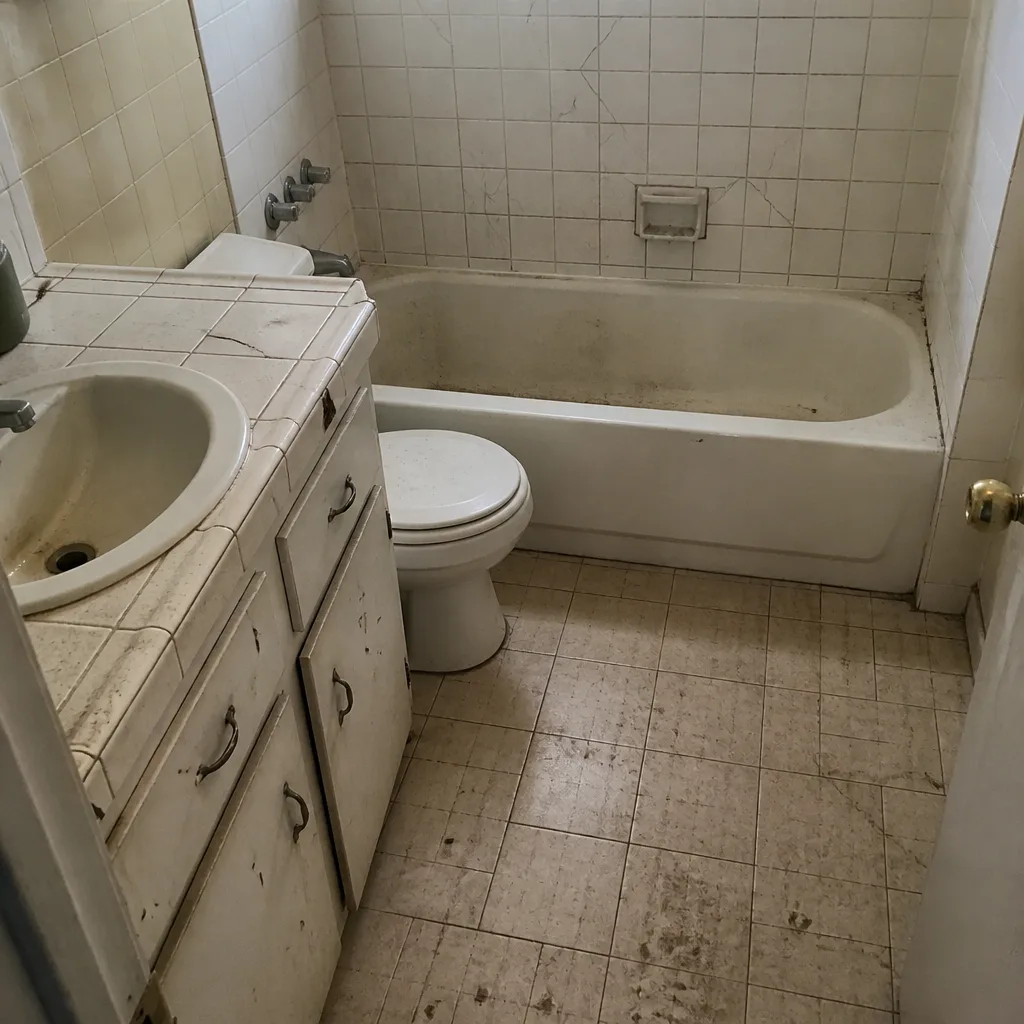 Before
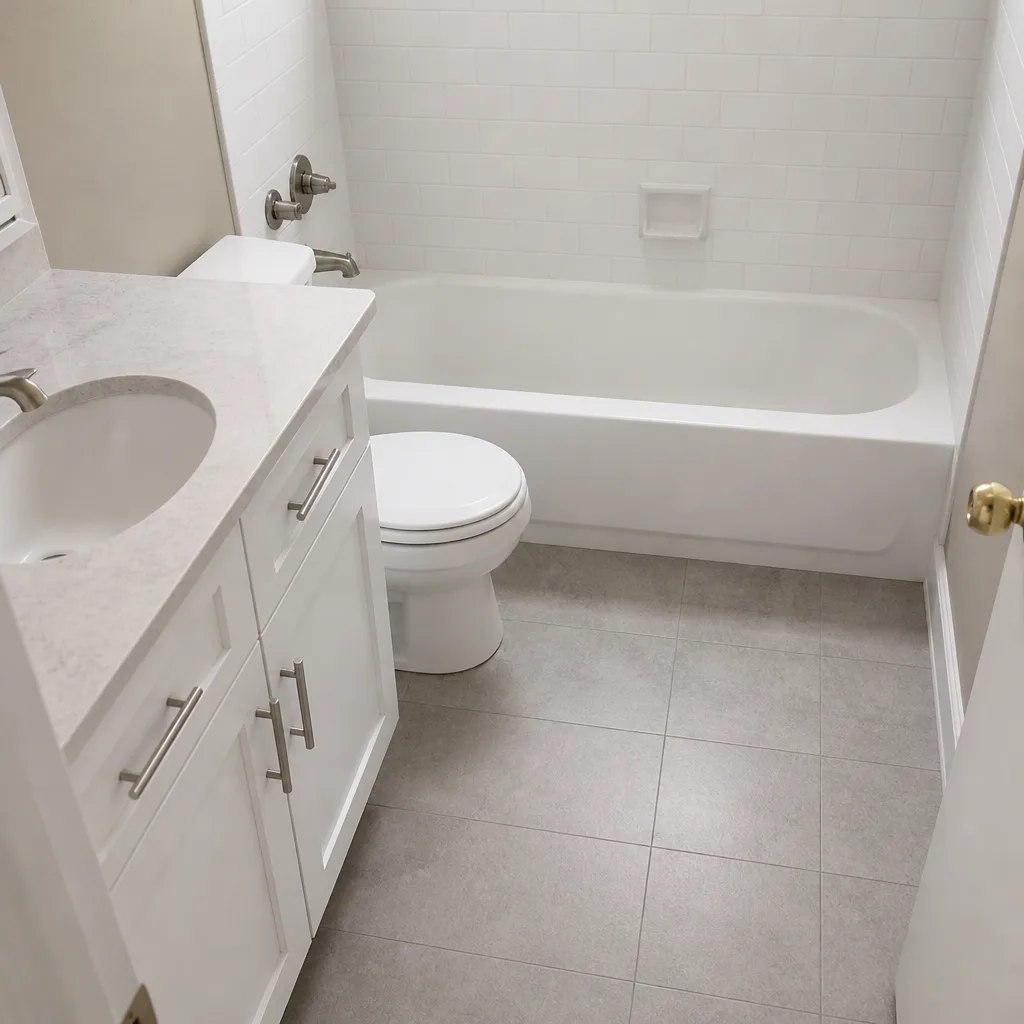 After
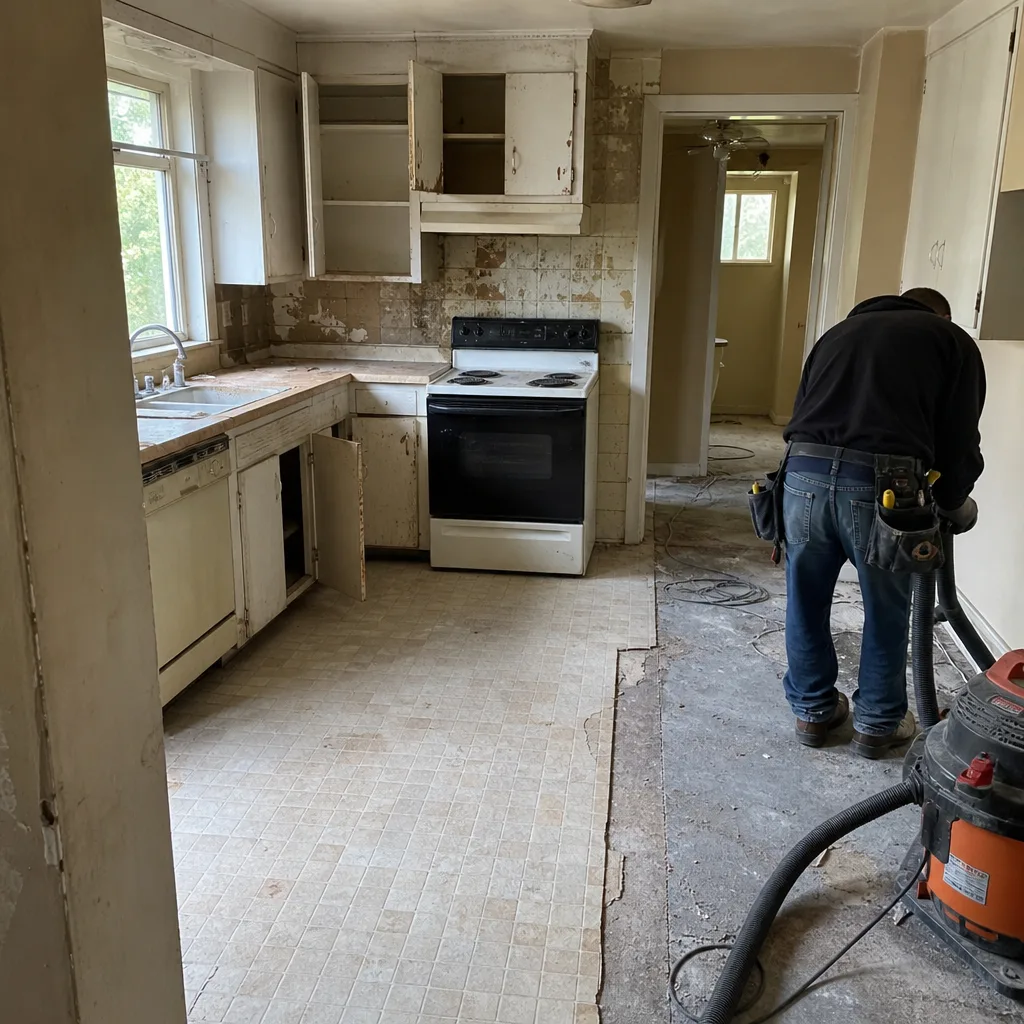 Before
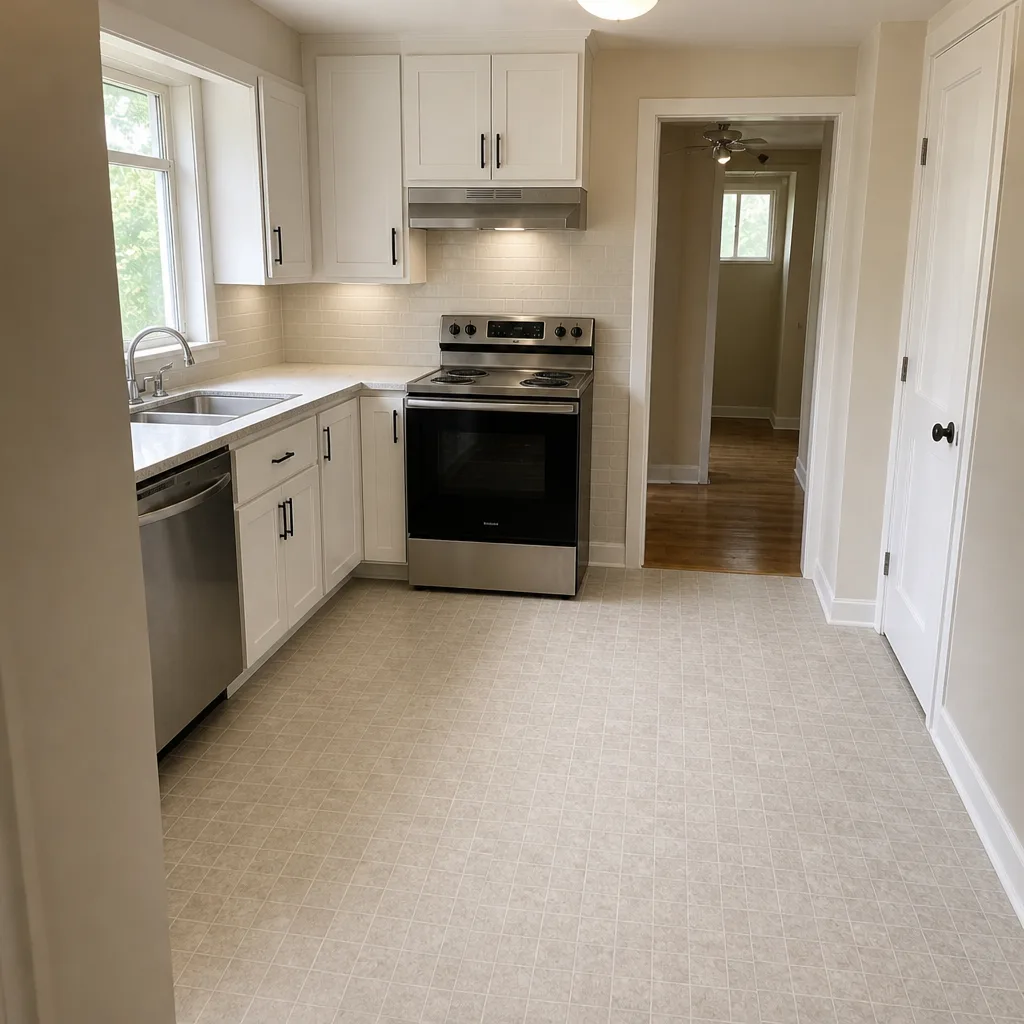 After
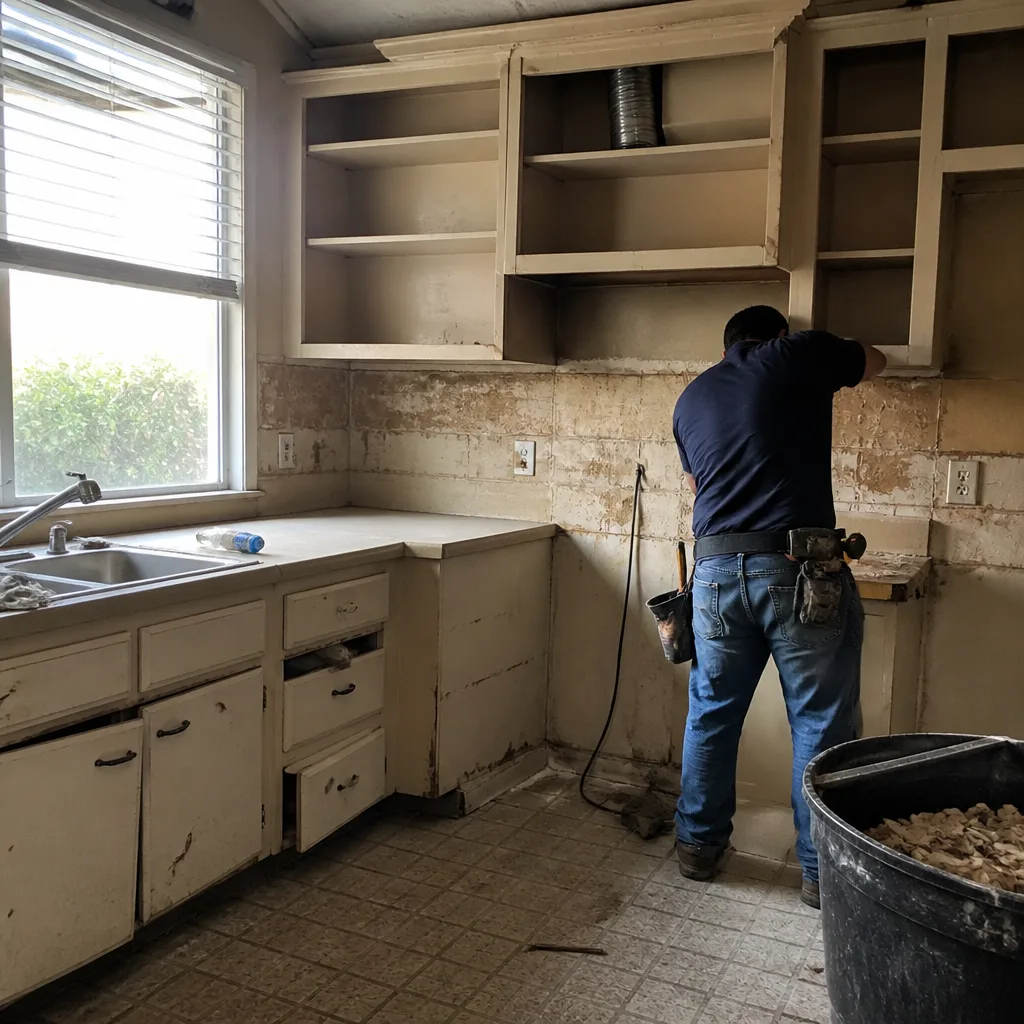 Before
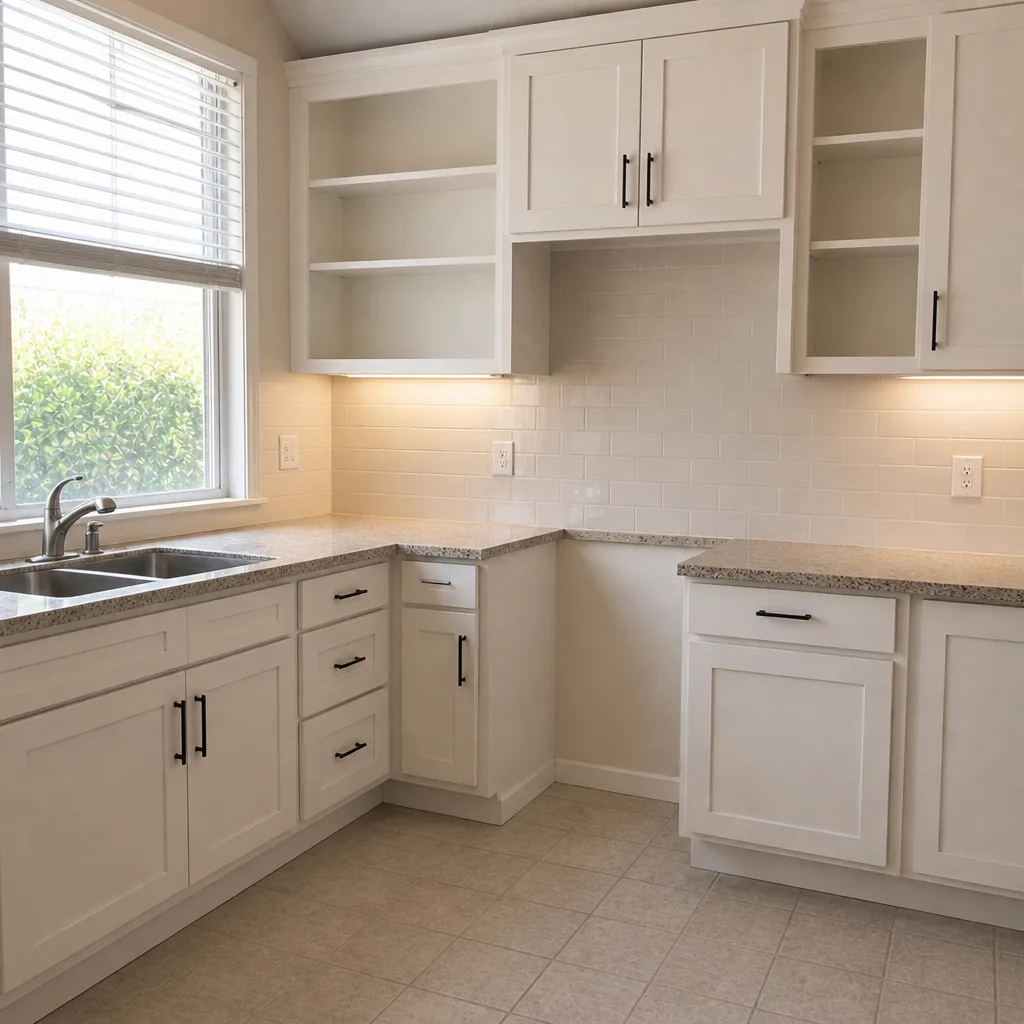 After
When to Call a Professional
Some of this guide is a decision framework you can use on your own. Some of it isn’t. Call a professional when the work touches structural framing, when it moves plumbing or electrical circuits, when it involves gas lines, or when the scope of work is more than a cosmetic refresh. Call when you can’t name the brand tier of what’s actually being installed. Call when the permit path isn’t obvious from your address. And call when you’re ready to stop comparing contractors on bid price alone and start comparing them on named materials, one point of contact, and a written scope you can actually read. Remodeling Folsom offers free estimates in Folsom – call (279) 321-0076. We answer 24/7. Fast dispatch from 7am to 7pm, Sunday through Friday.
Frequently Asked Questions

A complete home remodel in Folsom typically costs far more than any single-room project, and the range depends on scope, square footage, and material tier. Kitchens and bathrooms are the two biggest cost drivers because of cabinetry, countertops, and fixtures. Any real estimate has to come from a written, line-item scope. Call (279) 321-0076 for a free estimate – estimates are free.
Most Folsom remodels run in phases: design, permitting, demolition and rough-in, surfaces and fixtures, then finishes. The permit review window is often the least predictable part, especially on the El Dorado Hills side of the boundary. A written schedule tied to your permit path is the honest answer. Call (279) 321-0076 to talk through your timeline.
Any structural, plumbing, or electrical work requires permits, and the permitting jurisdiction depends on whether your parcel is inside Folsom city limits or under El Dorado County. We coordinate the permit path with you before construction starts. Confirm with your jurisdiction’s building department before signing any contract, and call (279) 321-0076 for a free scope review.
Semi-custom cabinetry (KraftMaid and Wellborn, for example) is built to standard dimensions with real hardware and door-style choices, while custom cabinetry is built to your exact dimensions (often inset). Semi-custom is the right tier for most Folsom kitchens because it survives a decade of use; custom adds design polish at a longer timeline and higher cost. Call (279) 321-0076 to talk through which tier fits your kitchen.
Porcelain tile is the safest choice across most rooms in Folsom, with engineered hardwood the strongest wood-flooring option given the humidity swings. Solid hardwood is beautiful but risky near large west-facing windows. Rigid-core vinyl plank works when properly installed, but thin glue-down products fail under Folsom’s summer heat. Call (279) 321-0076 to spec a floor by room.
Material substitutions and change orders are the two reasons remodels change price mid-project. A written scope that names brands (KraftMaid, Cambria, Kohler) and skips “or equivalent” language prevents quiet substitutions. Any change order should be in writing and priced before work continues. Call (279) 321-0076 for a fixed written estimate.
The Bottom Line
A complete Folsom remodel is a material-decision gauntlet. The construction methods don’t change much from one contractor to the next; the material tiers do. Lock categories in design, name brands in the scope, read the permit path against your actual address, and pick materials that survive a hot valley summer. Above all, keep one contractor accountable for every finish – cabinets, countertops, plumbing, flooring, and paint – so the decisions you made in week one are the ones installed in month three. That’s the difference between a Folsom home that looks custom and one that looks contractor-grade.
Kitchen and bathroom work are usually the two projects that benefit most from this framework. If you’re scoping either one, our kitchen remodeling and bathroom remodeling pages walk through those decisions brand by brand.
Ready to talk materials, scope, and timeline? Call (279) 321-0076 to schedule your free estimate. We answer 24/7, with fast dispatch from 7am to 7pm, Sunday through Friday, closed Saturday. Estimates are free, and the written line-item quote sets the final price.
Written by the team at Remodeling Folsom.