Last updated November 25, 2026
Free written scope consultation - allowances, timeline, and change-order rules on paper before a single trade is scheduled
Construction Cost Breakdown: The Folsom Homeowner’s Reference for 2026
The national average for a kitchen remodel is a number that tells a Folsom homeowner almost nothing useful. It blends Manhattan co-op labor, Midwest material pricing, and a permit schedule from a city that isn’t ours into one tidy figure that falls apart the moment you call a local contractor. What actually shapes your budget is the Sacramento metro labor market, the cost gap between an off-the-shelf cabinet line and something like a mid-tier Fabuwood or KraftMaid run, and the fee schedule at Folsom’s own permit counter. This guide breaks those forces down by project type, shows where Folsom homeowners consistently underestimate, and explains how to read the difference between a real value-engineering conversation and a bait-and-switch.
Quick Answer
In 2026, most Folsom remodeling budgets land in these ranges: a mid-tier kitchen remodel runs roughly $450 to $750 per square foot, a bathroom remodel runs roughly $350 to $600 per square foot, and flooring installation runs roughly $8 to $22 per square foot depending on material. Those ranges assume designer-grade brand-name finishes (Cambria quartz, KraftMaid cabinetry, Kohler fixtures) rather than builder-grade substitutes, and they shift based on demo scope, substrate condition, and how much structural work the home needs.
Styles & brands we work with
- Kitchen remodeling
- Bathroom remodeling
- Home additions & ADU
- Roofing
- Windows & doors
- Driveway & pavers
- Fence
Table of Contents
- The Three Pressures Shaping Folsom Costs in 2026
- Kitchen Remodel Costs
- Bathroom Remodel Costs
- Flooring Installation Costs
- Builder-Grade vs. Designer-Grade: The Real Dollar Gap
- What Folsom Homeowners Underestimate
- Cost-Per-Year-of-Life: Evaluating Materials
- What Value Engineering Really Means
The Three Pressures Shaping Folsom Costs in 2026
Three converging forces are shaping what a Folsom remodel costs this year, and they don’t hit every project the same way. Understanding which pressure dominates your specific scope is the difference between a realistic budget and a wishful one.
Material inflation. Tile, quartz, cabinetry panels, and plumbing fixture brass all carry higher unit costs than they did in 2023. This pressure hits surface-heavy projects hardest: a full kitchen replacement of counters, backsplash, and flooring feels it more than a bathroom that mostly reuses existing tile.
Labor market tightness. Folsom draws from the same Sacramento metro contractor pool as Roseville, El Dorado Hills, and Granite Bay. Demand from all of those markets pulls setter, tile, and finish carpenter rates upward. This pressure lands on projects that need more skilled labor hours: tile flooring, cabinet installation, and plumbing fixture swaps.
Demand for designer-grade brands. Homeowners comparing their 2010-vintage builder finishes against what they see in showrooms are asking for named products – Cambria, Silestone, Caesarstone, Grohe, Toto. That demand raises average project cost but also raises resale value and material durability, so it isn’t simple inflation. It’s a deliberate move upmarket.
Folsom’s housing stock plays into this. Much of the city’s newer development went up with builder-grade finishes that are now 20 years old. Those homes are prime candidates for full replacement rather than patchwork, which means the brand-upgrade pressure is unusually strong here compared to communities with older custom homes.
Kitchen Remodel Costs
A mid-tier Folsom kitchen remodel runs roughly $450 to $750 per square foot in 2026, with the total project cost usually landing between $65,000 and $120,000 depending on footprint and finish tier. The range is wide because cabinets, counters, and labor consume the bulk of the budget at very different rates.
Here’s how the major line items sit for a typical Folsom kitchen in the 150 to 250 square foot range:
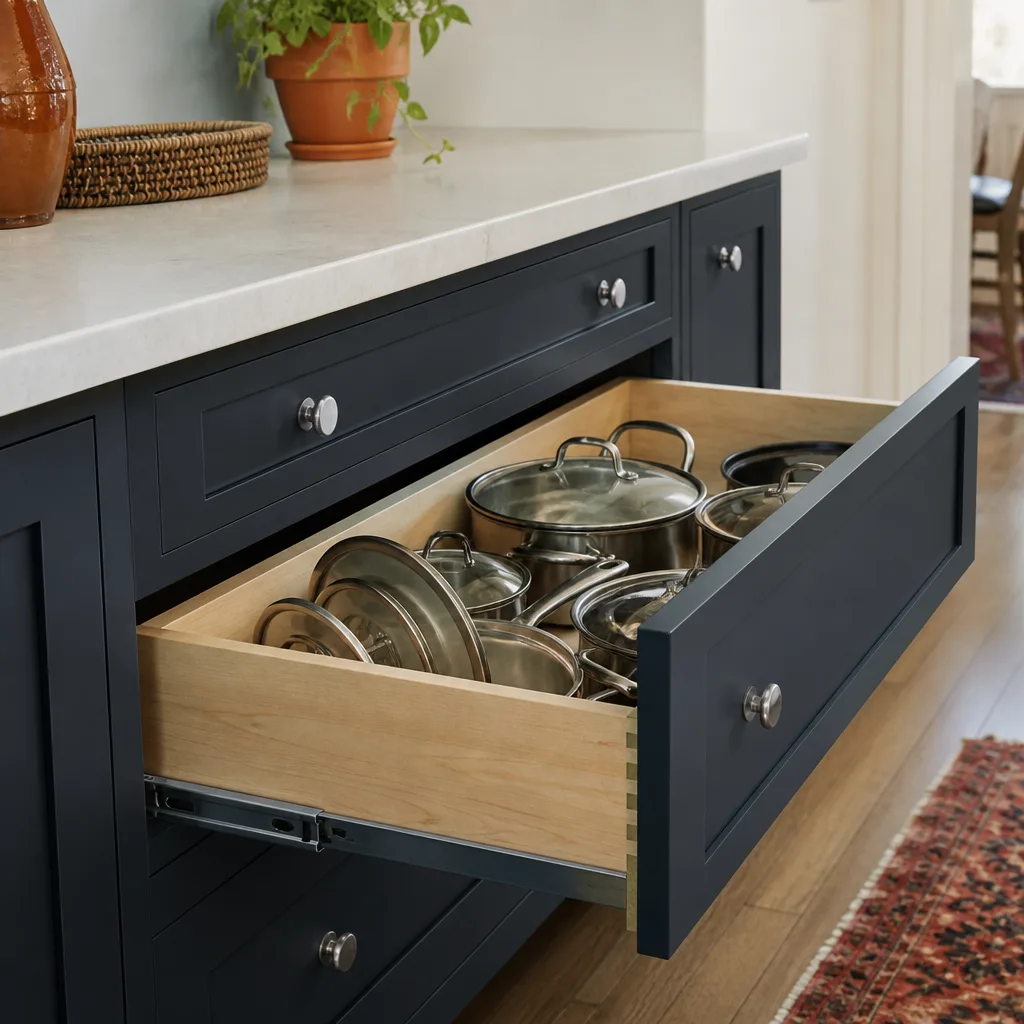
- Cabinetry – the largest single line item. KraftMaid or Wellborn semi-custom runs a wide band of pricing depending on door style, wood species, and whether the layout needs custom filler pieces. Builder-grade stock cabinets sit at the bottom of the range; a designer-grade cabinet line runs materially higher.
- Countertops – Cambria quartz, Silestone, and Caesarstone all sit in the premium tier, with Cambria typically at the top of what a Folsom homeowner pays for counter surface. Fabrication and edge detail drive as much of the cost as the slab itself.
- Appliances – a full appliance package in a designer-tier kitchen runs a substantial fraction of the total. Brand mix matters here: matching Kohler and Grohe fixtures to a premium appliance set creates a cohesive kitchen but pushes the total up.
- Sink and faucet – a Blanco sink paired with a Delta or Moen faucet is the workhorse combination for Folsom kitchens. Upgrade to Grohe and the fixture line still stays a small slice of the total.
- Tile work – backsplash and flooring tile price depends on format size, material, and pattern complexity. A large-format porcelain backsplash costs less in labor than an intricate mosaic.
- Demo and disposal – usually underestimated; covered in its own section below.
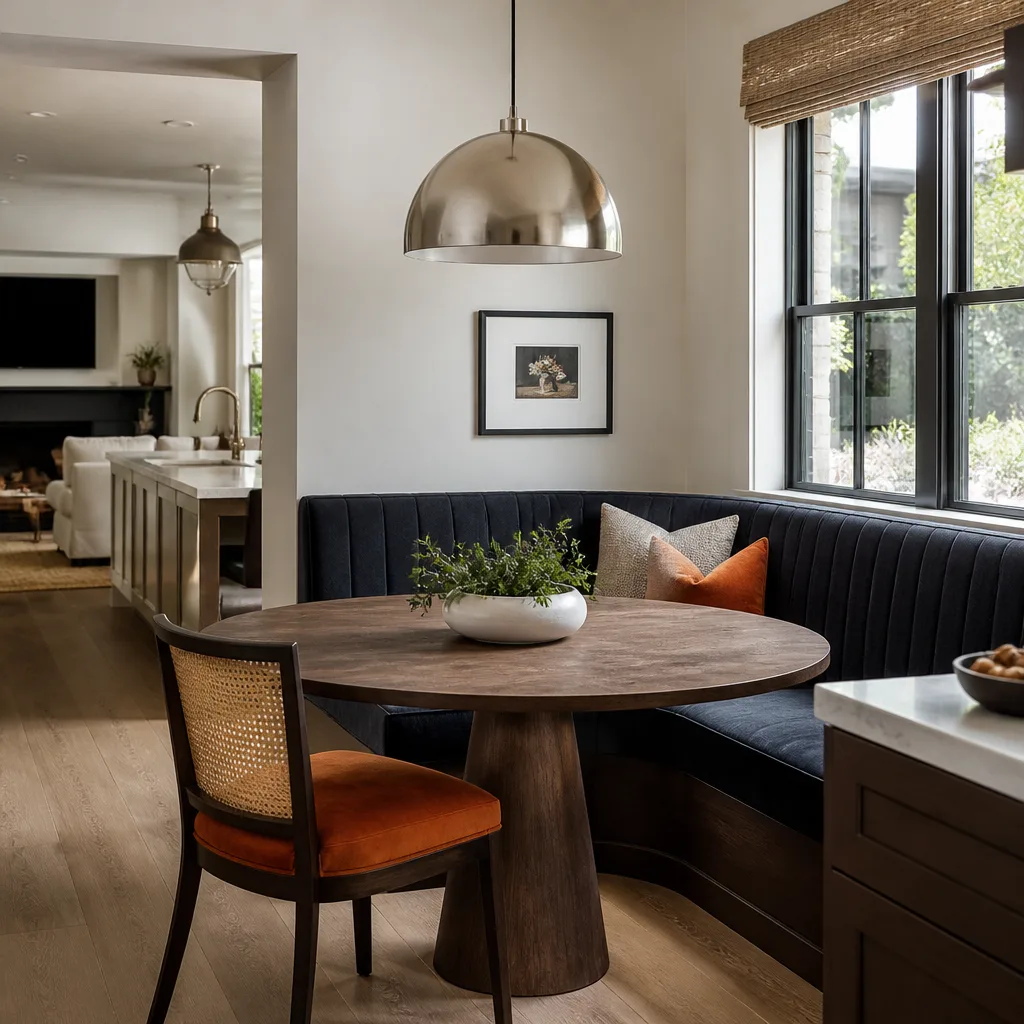
Because so much of that list is brand-specific, it’s worth reading our full guide to kitchen remodeling to see how a Folsom kitchen layout and finish schedule get built. Specifying brands up front – rather than accepting whatever a contractor pulls off the shelf – is what keeps the budget honest from day one.
Bathroom Remodel Costs
A full bathroom remodel in Folsom runs roughly $350 to $600 per square foot in 2026, which puts a typical hall bath in the $25,000 to $45,000 range and a primary bath well above that. The variance comes almost entirely from tile scope, fixture tier, and whether the plumbing layout moves.
Breaking that down:
- Tile – the dominant visual and cost driver. A Daltile porcelain installation costs less in labor than a mosaic or natural stone layout at the same square footage. Wall-to-wall large-format tile is cheaper per square foot than a hand-set small tile pattern.
- Vanity and cabinetry – KraftMaid and Wellborn both make bathroom vanity lines; semi-custom runs higher than a stock cabinet but holds up better with Folsom’s dry summers and long indoor/outdoor temperature swings.
- Fixtures – Toto and American Standard toilets, Kohler and Grohe shower valves and trim, Moen and Delta faucets. Every step up in fixture tier adds to the total but also to the years of service the fixture delivers.
- Shower and tub – a curbless walk-in shower with a linear drain costs more in tile and waterproofing labor than a tub replacement. Moving the drain location adds plumbing scope on top.
- Glass and mirror – frameless shower glass and a made-to-size mirror are surprisingly material-heavy lines.
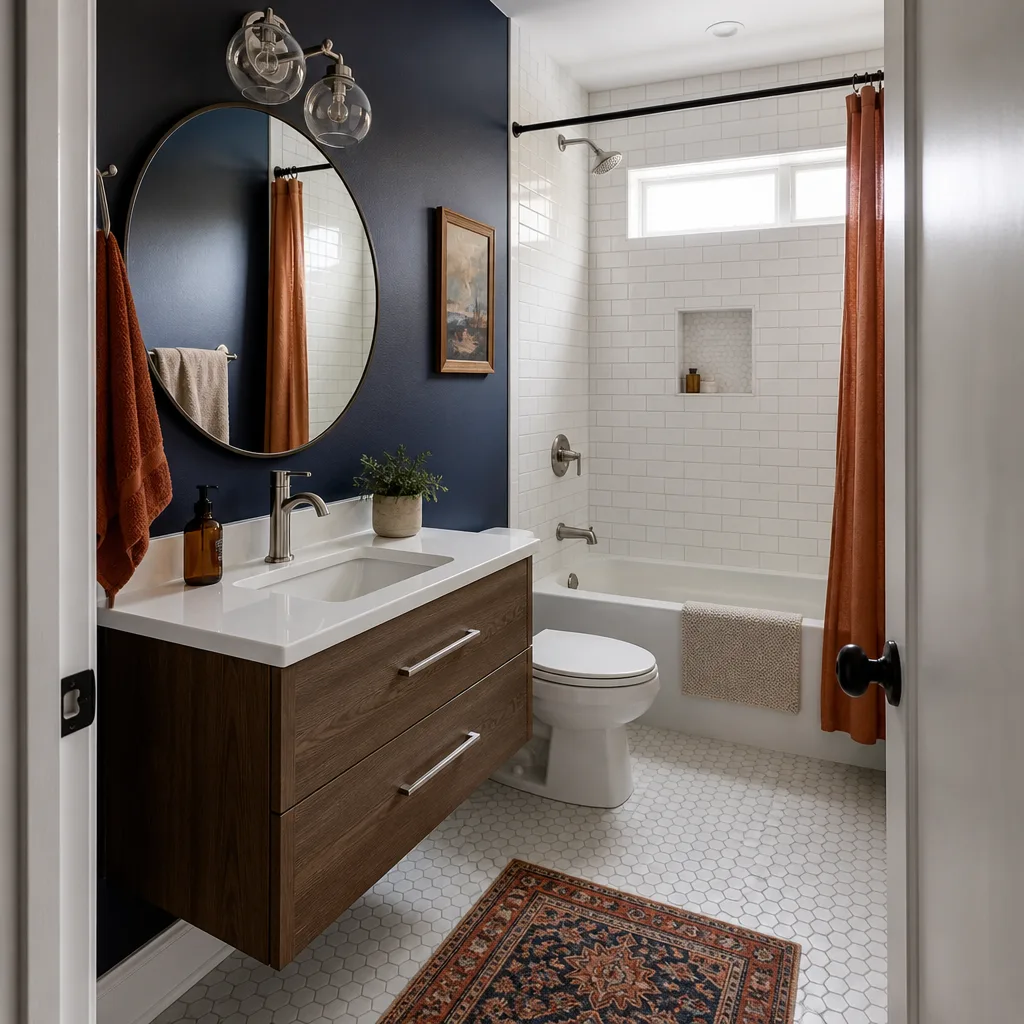
In Folsom, bathrooms in the older neighborhoods often hide substrate damage under original tile. That’s a budget item, not a surprise – it gets handled as a line item when it’s found during demo, not buried in the final invoice. Our bathroom remodeling page covers how the plumbing, waterproofing, and tile work get coordinated.
Flooring Installation Costs
Flooring installation in Folsom runs roughly $8 to $22 per square foot in 2026, installed, with the material choice driving most of the spread. Labor is a smaller share than in cabinetry or tile work, but prep and substrate condition can shift the price more than the material selection does.
A rough material-by-material breakdown:
- Luxury vinyl plank (LVP) – the low end of the installed range. Fast to lay, tolerant of minor substrate imperfections, popular through Folsom living areas and hallways.
- Engineered hardwood – the middle of the range, with cost climbing as plank width and species rarity increase.
- Tile – ceramic and porcelain sit in the mid-to-high range depending on format and pattern; natural stone at the top. Tile needs proper substrate prep and takes far more labor per square foot than plank flooring.
- Solid hardwood – the top of the range, and usually paired with an existing floor so the transition and staining match.
Subfloor leveling and old flooring removal are the two line items people forget. A Folsom house built in the 1990s or 2000s may have a slab or a framed subfloor that needs prep work before any new material goes down – and that prep costs money regardless of whether the new floor is LVP or solid oak.
Coordinating floor installation with the rest of a remodel matters more than most homeowners expect. If new flooring is going in next to new cabinetry and fresh paint, the sequence has to be built deliberately. We cover the sequencing thinking in our home remodeling overview, because doing floors first and paint last (or the inverse) changes the total cost and the finish quality.
Builder-Grade vs. Designer-Grade: The Real Dollar Gap
The gap between a builder-grade finish and a designer-grade finish is real money, but it’s smaller per line item than most homeowners fear and larger per project than most expect. Breaking it down by category shows why.
- Plumbing fixtures. A Kohler or Grohe faucet versus an off-brand faucet at the same basic function is a modest jump per fixture. Across a kitchen faucet, a bathroom sink faucet, a shower valve, and a toilet, the total gap sits comfortably inside a single-digit percentage of a mid-tier project budget. What you get back is a service life measured in decades rather than a handful of years, and replacement parts that are still stocked when something fails.
- Countertops. Builder-grade laminate versus a Cambria quartz or Caesarstone slab is a bigger percentage jump, but that’s the single surface you touch every day, and the one that most directly drives resale perception. Silestone sits in between.
- Cabinetry. Builder-grade stock versus KraftMaid or Wellborn semi-custom is where the percentage gap is widest. It’s also where the functional difference (soft-close hardware, drawer box construction, interior organization) is most obvious in daily use.
- Tile. A Daltile porcelain versus generic big-box tile is a small per-square-foot gap that grows across a whole floor. The real difference here is installation tolerance and uniformity – better tile installs faster with fewer throwaways, which narrows the installed-price gap.
What matters is not comparing brands against each other in a vacuum – it’s comparing the specific product against the specific alternative you’d otherwise accept. That’s why we specify by brand rather than describing a tier and letting the supply chain decide. When a homeowner knows their Folsom kitchen is getting KraftMaid cabinets and Cambria counters, the estimate becomes auditable line by line.
What Folsom Homeowners Underestimate
Three cost categories get systematically underestimated in Folsom remodel budgets, and they’re the ones most likely to blow a project timeline when they surface mid-build. None of them is a contractor upcharge – they’re real scope that only shows up once walls are open.
- Demo and disposal. Removing old cabinets, tearing out tile, hauling away old appliances, and paying dump fees is a real line item, not a hidden cost folded into labor. Older Folsom homes often carry heavier materials – tile over tile, multiple layers of flooring, glued-down finishes – that cost more to remove than the homeowner expects. Budget for it explicitly.
- Substrate repair. Once flooring or tile comes up, the actual substrate condition shows. Water damage behind a shower, a rotted subfloor under a sink, or a slab crack all add cost. Folsom’s dry climate pulls moisture out of some materials faster than others, and hairline cracks in original slabs are common enough that prep should be a known budget line, not a surprise.
- Permit fees. Folsom’s permit counter charges by scope, not by project total, so the fee structure rewards a clean, well-documented plan submitted up front. Many homeowners underestimate permit and inspection fees because they were assuming a “minor” project threshold – moving a wall, changing a drain location, or replacing a water heater all cross that threshold. Ask the city’s building department what a specific scope requires before building the budget.
Each of the three is a pre-build conversation, not a surprise. When they show up on the written estimate, homeowners can plan for them. When they show up as change orders, they blow the schedule.
Cost-Per-Year-of-Life: Evaluating Materials
The cheapest material on day one is rarely the cheapest over the life of the home, and this is where most Folsom remodel decisions go wrong. Instead of comparing sticker prices, compare cost-per-year-of-life: (total installed cost) divided by (expected years of useful service). It changes what “expensive” means.
A few concrete comparisons:
- Countertops. A laminate surface costs the least up front and typically needs replacement well before a Cambria quartz, Caesarstone, or Silestone slab does. Over a 25-year horizon the quartz surface costs less per year even at the higher install price – and it looks more current the whole time.
- Flooring. A quality engineered hardwood or porcelain tile floor outlasts a builder-grade LVP by a wide margin. LVP has its place in high-traffic rentals or quick refreshes, but in a Folsom home you plan to keep, tile or hardwood returns more per dollar over the years you own it.
- Plumbing fixtures. A Kohler, Grohe, or Toto fixture generally holds up longer than an unbranded import, and replacement cartridges stay available. A fixture that needs replacement at year 8 costs more per year than a fixture that delivers 20 years of service.
- Cabinetry. KraftMaid and Wellborn drawers and doors hold alignment and finish far longer than stock builder cabinets. Over the life of the kitchen, that fact alone can offset the entire price premium.
Run the math on your specific materials before deciding. The number that matters isn’t the invoice on install day – it’s the invoice you’d pay again in 10 years if you went with the cheaper option.
What Value Engineering Really Means
Value engineering is a legitimate design-and-build discipline. It means finding ways to deliver the same functional and aesthetic outcome at lower cost through smarter choices: reducing wall movement, simplifying tile patterns, selecting an equivalent tier from another premium brand, or re-sequencing the scope to save labor hours. It is not a polite term for swapping your specified products for cheaper ones after the contract is signed.
Here’s how to tell the difference:
- Legitimate value engineering happens before the contract is signed. The conversation happens in the design phase, when the schedule and specifications can still be rewritten without tearing up work or paying restocking fees. If a contractor brings up “value engineering” once the cabinets are ordered, that’s a substitution, not value engineering.
- Legitimate value engineering names the alternative product. “We can swap the specified Cambria slab for Caesarstone in the same price band and save $X on the counter line” is value engineering. “We’ll use a comparable counter” is not.
- Legitimate value engineering preserves the outcome. Change orders that switch a Kohler shower valve for a generic import change the outcome. Change orders that keep a Kohler valve but simplify trim from two handle styles to one change the price without changing quality.
- Legitimate value engineering gets written down. Every change order has the old spec, the new spec, the line item impact, and a reason. That document is how the homeowner stays in control.
When a Folsom homeowner sees a change order labeled value engineering with no product names attached, the safest response is to ask what specifically changed and what the specific branded alternative is. That question resolves most of these situations on the spot. If you’re not sure where you stand, our Remodeling Folsom overview explains how a written line-item estimate is structured from day one.
Common Mistakes to Avoid
- Budgeting only the finish price and skipping demo. Folsom homes built in the 1990s and 2000s often require tile-over-tile removal or multiple floor layers pulled up, both of which cost more than a single-layer demo. Budget demo and disposal as its own line.
- Comparing builder-grade total to designer-grade total. Getting two bids on the “same” project when one is KraftMaid and Cambria and the other is a generic big-box equivalent isn’t an apples-to-apples comparison. Match the specification before comparing the number.
- Assuming a permit isn’t required. Most Folsom remodel scopes that move plumbing, walls, or electrical need a permit approved through the city’s building department. Skipping the permit saves a few hundred dollars on the front end and creates a much larger problem when you sell.
- Letting a contractor “value engineer” the specification after signing. If the contract lists a specific brand and the installed product shows up generic, that’s a scope change that needed a signed change order. Insist on written spec changes.
- Sizing the estimate to a national average. Sacramento-metro labor and Folsom-specific permit fees put local costs above many national averages. Don’t anchor your budget to a figure from a home-improvement site that never priced a job in this market.
- Choosing materials by upfront price only. The cheapest countertop or fixture tends to cost more per year of service. Run the cost-per-year math before choosing.
- Failing to coordinate trades. When flooring, cabinetry, countertops, and painting come from different contractors, sequencing gaps cause rework and blown budgets. A single contractor covering the whole interior scope keeps the timeline honest.
See the difference
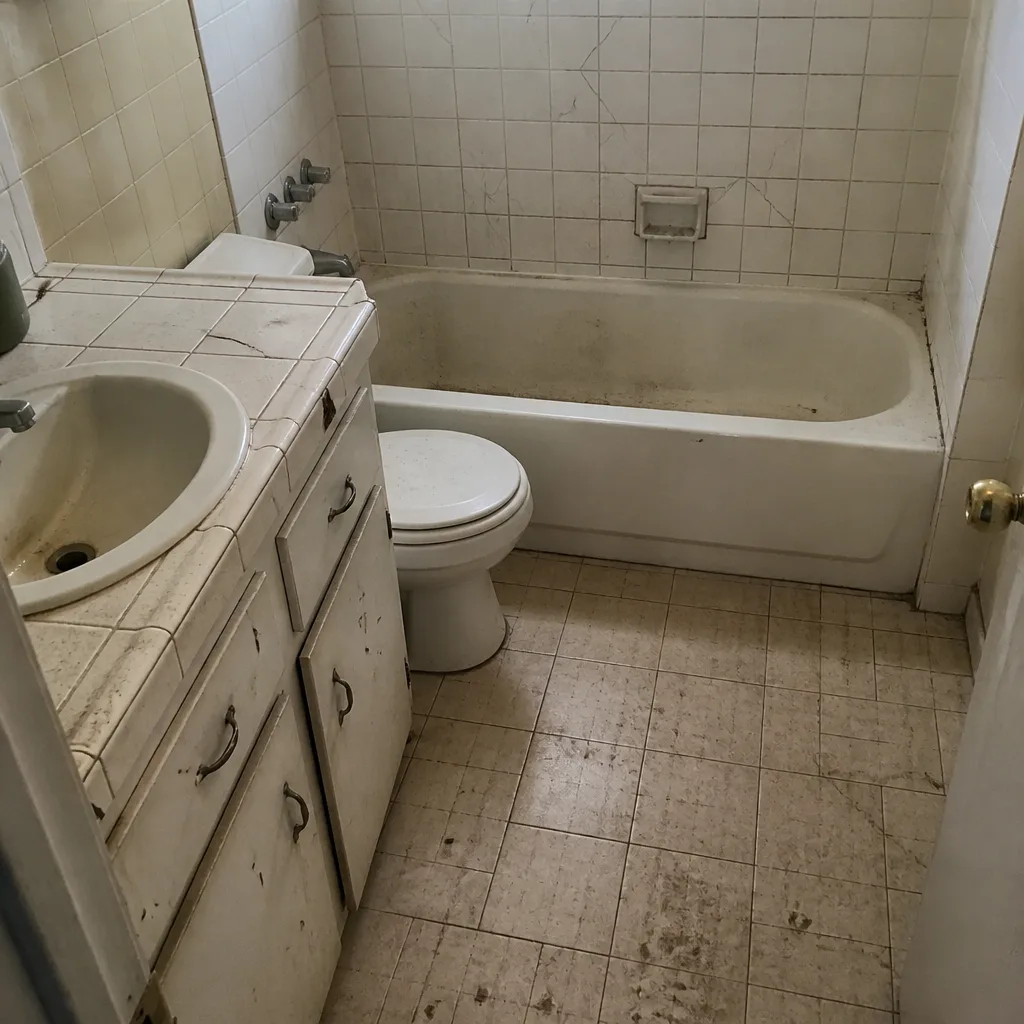 Before
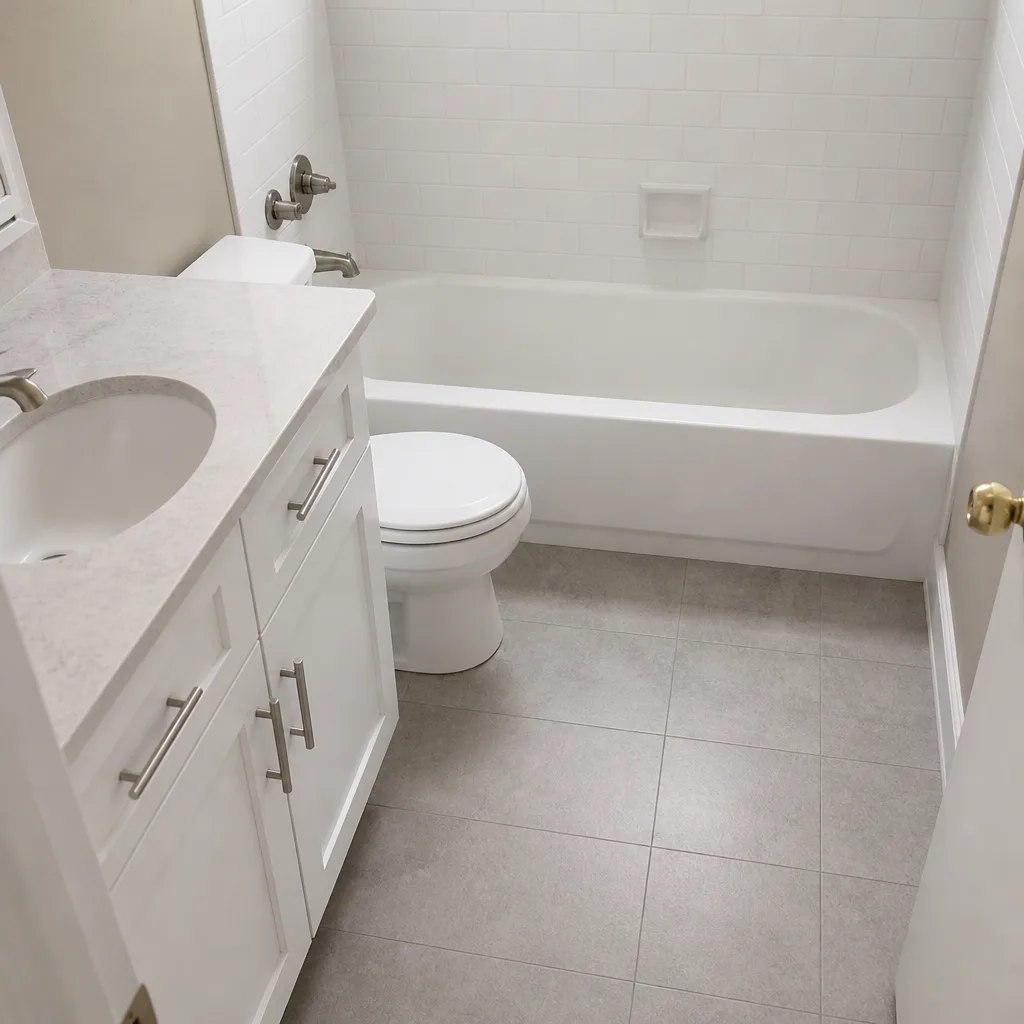 After
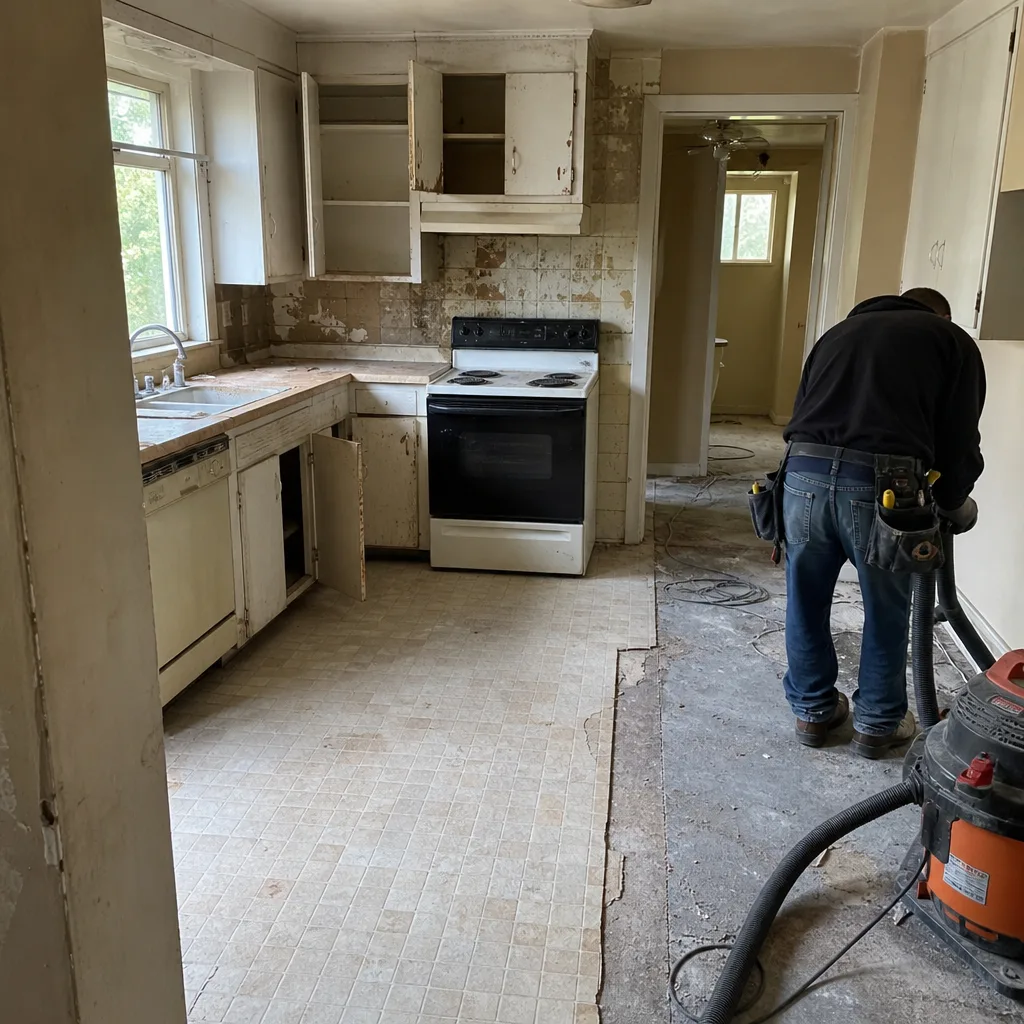 Before
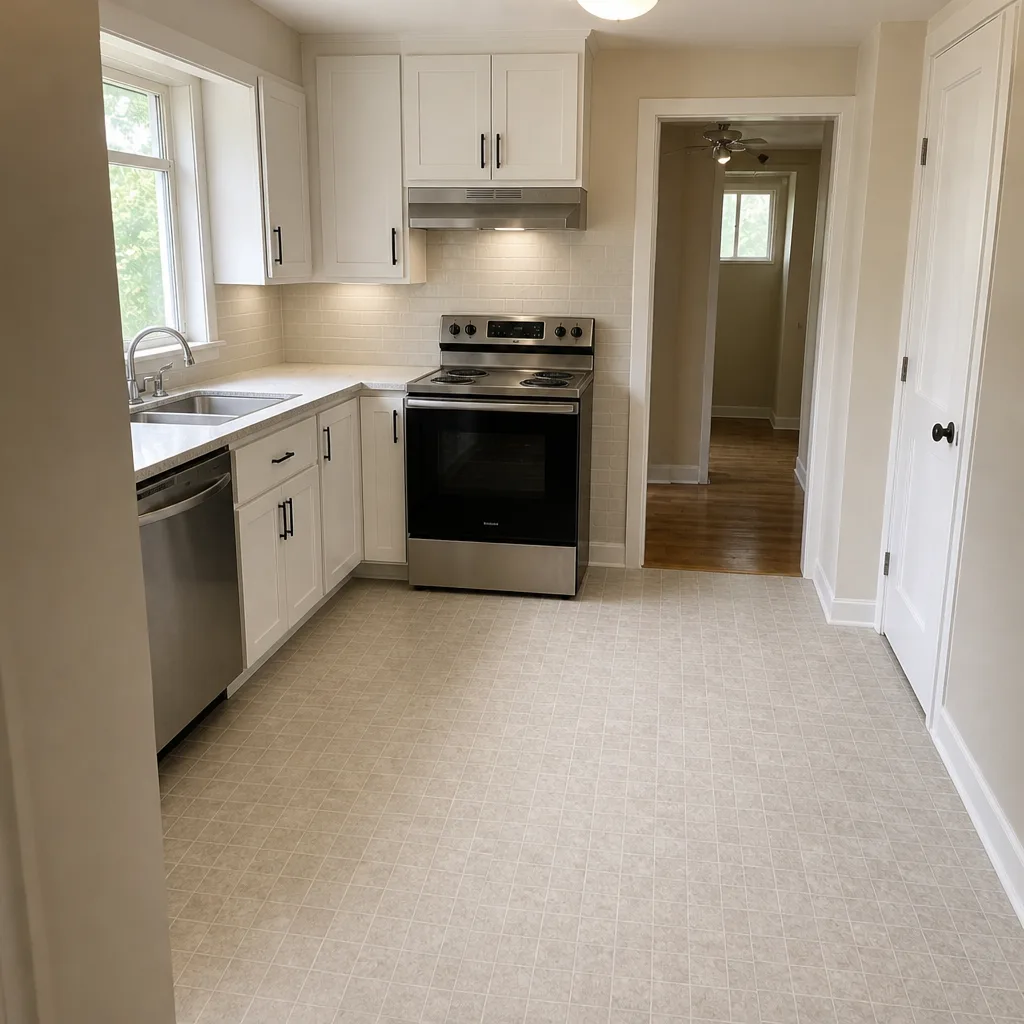 After
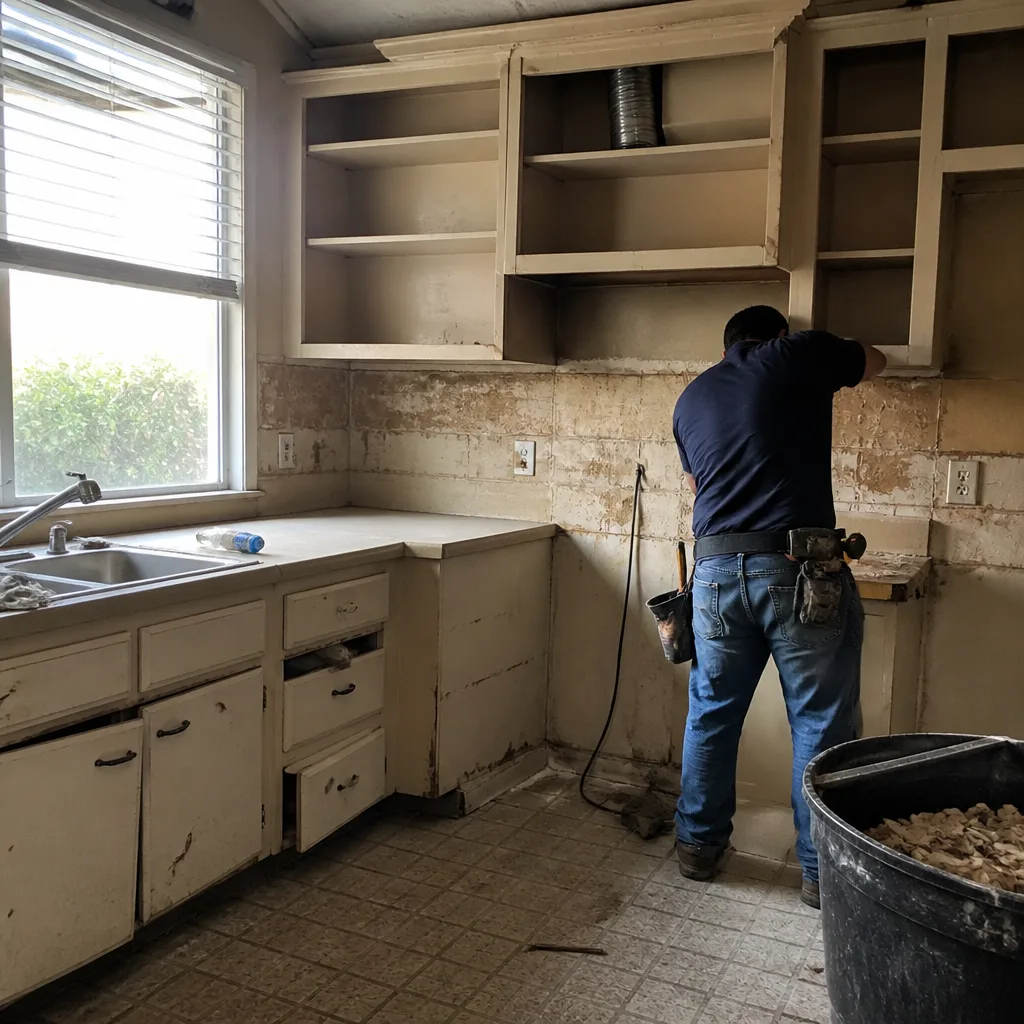 Before
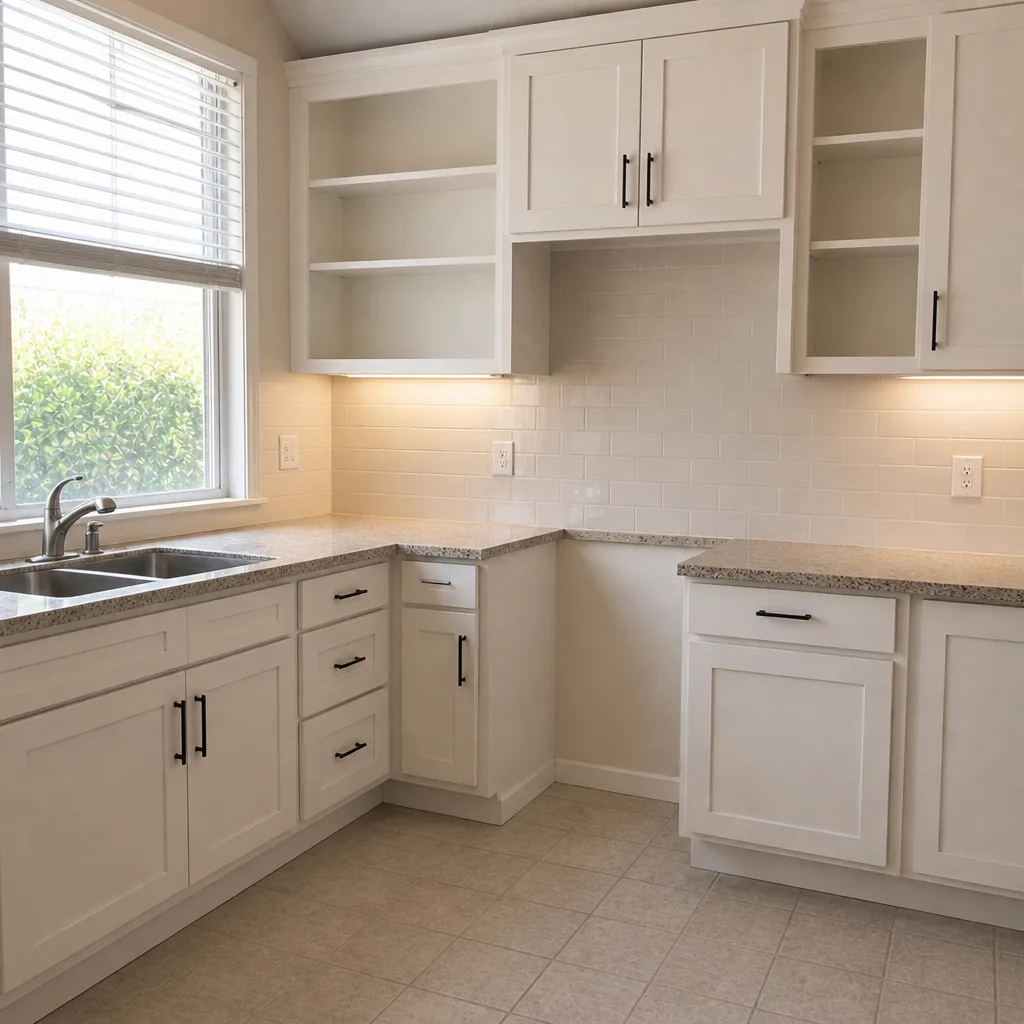 After
When to Call a Professional
Not every project needs a licensed contractor, but Folsom remodels that move plumbing, change electrical, replace cabinetry, or modify structural walls should be handled by a vetted local professional who pulls permits and passes inspection. The categories where it matters most: any kitchen or bathroom scope with fixture or line relocation, any flooring job that involves substrate repair or removal of multiple floor layers, and any interior or exterior painting job paired with new siding around Folsom’s windows, doors, and garage frames where surface prep determines how long the finish lasts. Painting scope on James Hardie siding needs specific installation and prep knowledge that isn’t interchangeable with stucco or wood siding experience.
If any of those match your project, it’s worth getting a written line-item estimate before you commit to a budget. Remodeling Folsom offers free estimates in Folsom – call (279) 321-0076. We answer 24/7. Fast dispatch from 7am to 7pm, Sunday through Friday.
Frequently Asked Questions
A mid-tier kitchen remodel in Folsom runs roughly $450 to $750 per square foot in 2026, which typically puts the total between $65,000 and $120,000 for a Folsom home. The written estimate sets the final price, and the range narrows substantially once cabinet brand, counter surface, and fixture tier are specified. Call (279) 321-0076 for an exact quote – estimates are free.
Folsom pulls from the same Sacramento metro contractor pool as Roseville, El Dorado Hills, and Granite Bay, so local skilled-labor rates track demand across that whole market rather than Folsom alone. Material pricing follows California distribution costs, and Folsom’s permit schedule adds real fees that national averages don’t reflect. The written estimate shows the local line items directly. Call (279) 321-0076 to schedule a free estimate.
Builder-grade materials are cheaper up front, but usually not cheaper per year of service. A Cambria quartz counter, KraftMaid or Wellborn cabinetry, and Kohler or Grohe fixtures typically outlast their cheaper equivalents by wide margins, so the cost-per-year figure favors the higher tier in a home you plan to keep. Call (279) 321-0076 to talk through the brand-versus-budget tradeoff on your specific project.
Most Folsom bathroom and kitchen remodels that move plumbing, electrical, or walls require a permit approved through the city’s building department. Small cosmetic refreshes – paint, replacing a vanity in the same location, floor covering swap – sometimes don’t need one, but the exact answer depends on scope. Confirm with the city’s permit counter before you build the budget, and let a contractor handle the permit submission for planned remodel scope. Call (279) 321-0076 for a free estimate that includes permit scope.
Flooring installation in Folsom runs roughly $8 to $22 per square foot installed, driven mainly by material selection. LVP sits at the low end, engineered hardwood in the middle, and tile or solid hardwood at the top. Subfloor prep and old floor removal are separate line items that can shift the total. Call (279) 321-0076 for an exact quote – estimates are free.
A full kitchen remodel in Folsom typically takes several weeks to a couple of months depending on cabinet lead times and permit approvals, with bathroom remodels generally finishing faster and whole-home projects running longer. The written estimate should specify a realistic schedule rather than a same-week promise. Call (279) 321-0076 for a free estimate and a scope-specific timeline.
The Bottom Line
The Folsom remodel budget that actually holds up starts with a realistic per-square-foot range, adds explicit line items for demo, substrate repair, and permits, and specifies premium brands by name so the estimate is auditable from day one. Three pressures – material inflation, Sacramento-metro labor tightness, and homeowner demand for designer-grade finishes – have pushed Folsom costs above national averages, but they aren’t hidden: they show up clearly in a written line-item estimate. Choosing materials on cost-per-year-of-life math rather than sticker price, and treating value engineering as a pre-contract conversation rather than a mid-build substitution, is what protects your budget. When you’re ready to price your project, call (279) 321-0076 for a free estimate. We answer 24/7. Fast dispatch from 7am to 7pm, Sunday through Friday.
Written by the team at Remodeling Folsom.