Last updated November 25, 2026




Free written scope consultation - allowances, timeline, and change-order rules on paper before a single trade is scheduled
Choosing the Right Construction Brand: A Buyer’s Guide for Folsom
“Go with a name brand” sounds like solid advice until you look at what’s actually behind the label. Moen and Kohler both count as name brands in plumbing, yet each sells products spanning a $60 bathroom faucet to a $900 one. The cartridge inside, the finish warranty, and the durability of the coating are different products entirely. The same pattern repeats in cabinets, tile, flooring, and paint, where a familiar logo can sit on both a builder-grade line and a designer-grade one. In Folsom, where homeowners are often replacing the original finishes in homes built during the 1990s and 2000s, that distinction decides whether a remodel still looks sharp after a decade. This guide shows you how to read brand tiers, spot marketing repositioning, and vet a contractor by how fluently they can explain their material choices.
Quick Answer
The best remodeling material brands in Folsom are the ones with a clearly defined designer-grade line, transparent warranty language that reflects manufacturer confidence, and a contractor who can tell you exactly why they specified that product over a cheaper lookalike. Brand recognition alone tells you almost nothing. What matters is which tier of that brand you’re getting, what the warranty actually covers, and whether your remodeler chose it for performance or for dealer margin.
Styles & brands we work with
- Kitchen remodeling
- Bathroom remodeling
- Home additions & ADU
- Roofing
- Windows & doors
- Driveway & pavers
- Fence
Table of Contents
- Why “Name Brand” Is Not a Quality Standard
- Cabinetry: KraftMaid and Wellborn Versus the Commodity Shelf
- Countertops: Cambria, Silestone, and Caesarstone Compared
- Plumbing Fixtures: Reading the Tier Inside Kohler, Grohe, and Toto
- Flooring: Daltile, Shaw, and What Heat Does to Cheap LVP
- Paint and Exterior: Benjamin Moore Aura and James Hardie
- How to Use Brand Fluency as a Vetting Tool
- Warranty Language as a Proxy for Product Quality
Why “Name Brand” Is Not a Quality Standard
The remodeling industry’s brand map is deliberately confusing. Large parent companies frequently own several lines that sit at different quality tiers, sold under separate names or under the same name with different model numbers. A manufacturer benefits when a homeowner recognizes the logo and assumes everything under it is equal. It isn’t. The tier you buy determines the material thickness, the hardware, the internal components, and the length and scope of the warranty.
There are three broad tiers you’ll encounter when pricing a remodel in Folsom:
- Builder-grade: engineered to hit a price point for volume construction. Thin substrates, basic hardware, short or limited warranties. Common in the original finishes of tract homes across Folsom neighborhoods like Empire Ranch and Folsom Ranch.
- Retail or big-box line: a step up in finish options, often a separate model family made for warehouse retail. Better than builder-grade, but frequently with proprietary parts that limit future repair options.
- Designer or spec line: what high-end kitchen and bath showrooms stock. Real wood or high-density composite, brand-name hardware, full-extension soft-close mechanisms, and warranty terms that run substantially longer.
The same manufacturer can appear in all three tiers. That’s why the useful question is never “is this a good brand?” but “which line is this, and what does its warranty say?” A homeowner who can ask that question in a showroom or across a kitchen table holds most of the leverage.
Cabinetry: KraftMaid and Wellborn Versus the Commodity Shelf
Cabinets are the largest single line item in most kitchen budgets and the category where tier confusion costs the most. A box with a familiar name on the door can still have a particleboard carcase, stapled joints, and hinges rated for a fraction of the cycles a designer line handles. KraftMaid and Wellborn both occupy the designer-grade end of the residential market, with plywood construction options, dovetail drawer boxes, and a depth of door styles and finishes that builder-grade imports simply don’t offer.
What you’re paying for in that tier:
- Construction methods: dovetail or doweled drawer boxes rather than stapled or stapled-and-glued assemblies.
- Hardware: full-extension, soft-close runners from established hardware makers, rated for tens of thousands of cycles.
- Finish durability: multi-step factory finishes with warranty coverage that reflects the manufacturer’s confidence in the coating.
- Configuration flexibility: the ability to specify non-standard depths, heights, and inserts so the kitchen fits how you actually cook rather than how a catalog assumes you do.
Designer and spec lines bring the hardware ratings, the extended finish warranties and the configuration flexibility that let a kitchen survive daily cooking for the full life of the home, not just the first few years after install. In our experience, cabinet failures in Folsom homes almost always trace back to builder-grade boxes that were never meant to carry the load of a serious home cook’s pots and pans.
We spec KraftMaid and Wellborn because those lines hold up under daily use in this climate’s hotter summer months, when interior humidity swings put stress on drawer boxes and door panels. If you’re planning a kitchen remodeling project, the conversation should start with which line, not which logo.
Countertops: Cambria, Silestone, and Caesarstone Compared
Quartz countertops dominate Folsom kitchens for good reason. The material is non-porous, doesn’t need sealing, and handles the heat and daily traffic of a family kitchen far better than a cheap laminate. But “quartz” covers a wide field, and the difference between a recognized engineer-grade brand and an unbranded slab from an unknown import is real.
Cambria, Silestone, and Caesarstone each bring a distinct product philosophy:
| Brand | What It’s Known For | Why It Matters in Folsom |
|---|---|---|
| Cambria | Quartz made in the US; strong warranty language; consistent slab color | Consistent slab color reduces the risk of visible variation between cut sections |
| Silestone | Wide pattern range; proprietary anti-bacterial treatment | Pattern variety gives you more options to match cabinetry finishes |
| Caesarstone | Design-forward finishes; strong commercial and residential reputation | Reliable for high-use kitchens with heavy cooking traffic |
What matters more than picking one name over another is understanding what the brand warranty covers. Brands that back their quartz with detailed, transferable warranty terms are telling you something about how confident they are in the product’s stain resistance and color stability. Unbranded slabs often come with no warranty beyond what your fabricator offers, which puts the entire long-term risk onto your contractor relationship.
We source Cambria, Silestone, and Caesarstone because those brands each warranty their product as a product. On any home remodeling project, that layer of manufacturer accountability behind the countertop sits alongside our workmanship warranty and covers more than either one could alone.
Plumbing Fixtures: Reading the Tier Inside Kohler, Grohe, and Toto
Plumbing fixtures show the tier pattern more starkly than almost any other category. A $60 bathroom faucet and a $900 bathroom faucet from the same manufacturer can share a nameplate while containing completely different internal components. The cartridge inside, the ceramic disc valve, the finish process, and the warranty term are all different.
What separates the designer-grade lines from the builder-grade ones:
- Cartridge and valve quality: designer lines use replaceable cartridges from the same manufacturer or a known supplier, so the faucet can be rebuilt rather than replaced.
- Finish durability: PVD and other premium finish processes are tested against abrasion and household chemicals over years, not months.
- Warranty scope: a limited lifetime warranty on finish and function signals that the manufacturer expects the product to last.
- Brand-specific engineering: Grohe’s ceramic cartridges, Toto’s vitreous china and washlet systems, and Kohler’s cast iron and vitreous china toilet bodies all represent engineering decisions that builder-grade products don’t replicate.
Blanco sinks, Delta and Moen faucets, and American Standard and Toto toilets round out a fixture package that matches what high-end showrooms stock. On a bathroom remodeling project, the fixture list determines how the room feels and how long it stays feeling that way. Aesthetically identical faucets can have a $600 price spread because one contains a replaceable cartridge and the other is a sealed unit designed to be thrown away.
If a contractor can’t explain which product line inside a given brand they’re specifying, and why, they’re guessing.
Flooring: Daltile, Shaw, and What Heat Does to Cheap LVP
Flooring is the category where brand-tier differences show up physically, not just in warranty paperwork. Tile, hardwood, and luxury vinyl plank all have a wide spread between commodity and designer lines, and the two failure modes we see most in Folsom’s climate are directly tied to tier.
Daltile is a useful example. The company makes both a residential line and a commercial line. The residential line is specified for homes: the tile body, glaze durability rating, and dimensional tolerances are designed for residential install. The commercial line meets heavier commercial standards. That’s a manufacturing decision, not a marketing one. Knowing which line your contractor is specifying matters because ordering commercial tile for a residential floor can mean the wear layer is unnecessarily thick, or the pattern options are narrower, or the price is higher for a specification your home doesn’t need.
Shaw’s Floorté LVP handles heat differently than unbranded alternatives. Folsom summers reach triple digits routinely, and the interior temperature near a south- or west-facing window can climb higher than the room’s ambient reading. Branded LVP lines specify dimensional stability and heat-resistance ratings, and those ratings reflect real testing. Unbranded import LVP often lacks this data entirely, and the failure mode is visible in the first or second summer: planks cupping, edge lifting, or gapping at the seams. A floor that costs less per square foot but has to be replaced once is not cheaper.
We coordinate flooring installation alongside cabinetry, countertops, and paint, so the floor is spec’d and laid to work with everything around it rather than retrofitted afterward. You’ll find this kind of coordination in our Remodeling Folsom project work across Folsom neighborhoods including Broadstone and the older homes near the historic district.
Paint and Exterior: Benjamin Moore Aura and James Hardie
Paint is the category where brand fluency is easiest to test, and where the gap between tiers is most visible on an exterior wall after two summers. A generic “premium” interior paint and Benjamin Moore Aura differ in pigment quality, resin chemistry, and the warranty language the manufacturer is willing to stand behind.
Benjamin Moore’s Aura line specifies proprietary color-lock technology and a manufacturer warranty on the finish. The difference isn’t mystical: better resin chemistry means the finish resists blocking, resists fading from UV exposure, and holds its color in the strong Central Valley sun. A generic competitor’s top-of-the-line product may claim similar performance, but the warranty language is the measurable proxy. When a manufacturer backs a paint with a longer finish warranty and clear exclusion language, that’s product confidence you can read.
On exterior painting, the surrounding materials matter as much as the coating. James Hardie fiber cement is among the most durability-tested cladding systems in residential construction. We install James Hardie-compatible materials alongside exterior paint because a cohesive exterior refresh – one that pairs the cladding system with the paint and trim – performs better than piecemeal cosmetic fixes. James Hardie publishes installation requirements for its products, and those requirements interact directly with paint and caulk selection. Getting them right is what determines whether the finish you pay for holds through the swings between hot summers and the wet winters this region sees.
One contractor, every finish means the paint, exterior cladding, interior surfaces, cabinetry, and countertops are selected and installed by the same team doing the surrounding work. The workmanship warranty from that team and the manufacturer warranties on the individual products layer together in a way that’s much harder to assemble when multiple contractors touch the same project.
How to Use Brand Fluency as a Vetting Tool
The fastest way to tell whether a contractor is specifying materials deliberately or guessing is to ask them to explain their choices. A remodeler who can tell you why they specify Benjamin Moore Aura over a generic competitor understands materials. One who can’t explain the difference is likely selecting based on what was in stock or what their supplier incentivizes.
Here’s a step-by-step process for using that conversation as a vetting tool:
- Ask which product line, not just which brand. “We use KraftMaid” is not an answer. “We use KraftMaid’s [specific construction] line because the drawer boxes are dovetail and the finish warranty is longer” is.
- Ask what the warranty actually covers and for how long. A brand’s warranty terms are a published statement of how much the manufacturer trusts the product. If the contractor can’t paraphrase those terms, they don’t know them.
- Ask why they chose this brand over a specific competitor. A knowledgeable contractor will name the tradeoff. A less knowledgeable one will say “it’s better quality” and stop.
- Ask whether their relationship with the brand is driven by installer familiarity or dealer margin. Many manufacturers offer contractor programs where margin, rebates, or co-branding shape the recommendation. There’s nothing wrong with a contractor who earns a dealer relationship, as long as they can also explain why the product is the right fit for your project.
- Ask about the supply chain. Are they able to order a specific countertop slab, hardware color, or cabinet door style from the manufacturer? A dealer relationship that gives them real ordering access and lead-time visibility is worth a lot; one that only gives them a logo for the truck isn’t.
You don’t need to be an expert on every brand to spot real fluency. Ask three or four of those questions and the answers will tell you whether the contractor is doing material selection or delegating it to a showroom.
Warranty Language as a Proxy for Product Quality
Read a product’s warranty before you fall in love with its finish. The warranty tells you what the manufacturer knows about their own product’s failure modes, and how much cost they’re willing to absorb when something breaks. Across every category we work with, the pattern holds: designer-grade lines carry longer, more specific warranty terms, and builder-grade lines carry shorter and more exclusion-heavy terms.
A few things to look for in any warranty:
- Duration: a lifetime or limited lifetime term on finish, hardware, or function is a stronger signal than one to five years.
- Transferability: a warranty that transfers to a future buyer of the home indicates confidence in the product over a longer horizon.
- Exclusion language: if the exclusions cover normal use, that’s not confidence. If they cover only misuse, that’s a manufacturer standing behind the product.
- What the manufacturer covers versus what the contractor covers: a countertop warranty from Cambria or Silestone is a different obligation than a workmanship warranty from your contractor. Both should exist on a good project.
One of the reasons we source from brands that carry their own manufacturer warranties is that the accountability layer sits with the company making the product, not just the one installing it. When a finish wears prematurely or a fixture fails inside its warranty window, the brand has a documented obligation to the homeowner. That layer protects your investment in a way a handshake from the installer can’t reverse-engineer after the fact.
Common Mistakes to Avoid
- Choosing a brand by name recognition alone. “Kohler” tells you nothing about whether you’re getting a $60 builder-grade faucet or a $900 designer one. Ask which product line and what the warranty says.
- Comparing cabinets by door style and price only. Two cabinets with identical-looking doors can differ in carcase construction, hardware, and finish warranty. Ask about drawer boxes and hinges, not just the door.
- Assuming a contractor’s “preferred brand” is driven by quality. Dealer programs, rebates, and installer familiarity all influence recommendations. A good contractor can explain the quality reason and disclose the commercial one.
- Using builder-grade flooring in a hot Central Valley room. Unbranded LVP in a south-facing room can cup and gap within a few summers. Specify a branded plank with a published dimensional stability rating.
- Reading the brand’s main website rather than its warranty PDF. Marketing language is consistent across tiers. The warranty document is where the manufacturer tells you what they actually expect the product to do.
- Hiring separate contractors for flooring, cabinets, plumbing, and paint. Coordinating five trades around one Folsom kitchen leads to scheduling gaps and accountability disputes. Every transition point is a potential finger-point when something doesn’t align.
- Treating “our preferred brand” as a quality guarantee. It’s a starting point for a conversation, not a conclusion. Ask the follow-up question: “which line, and why this one over a competitor?”
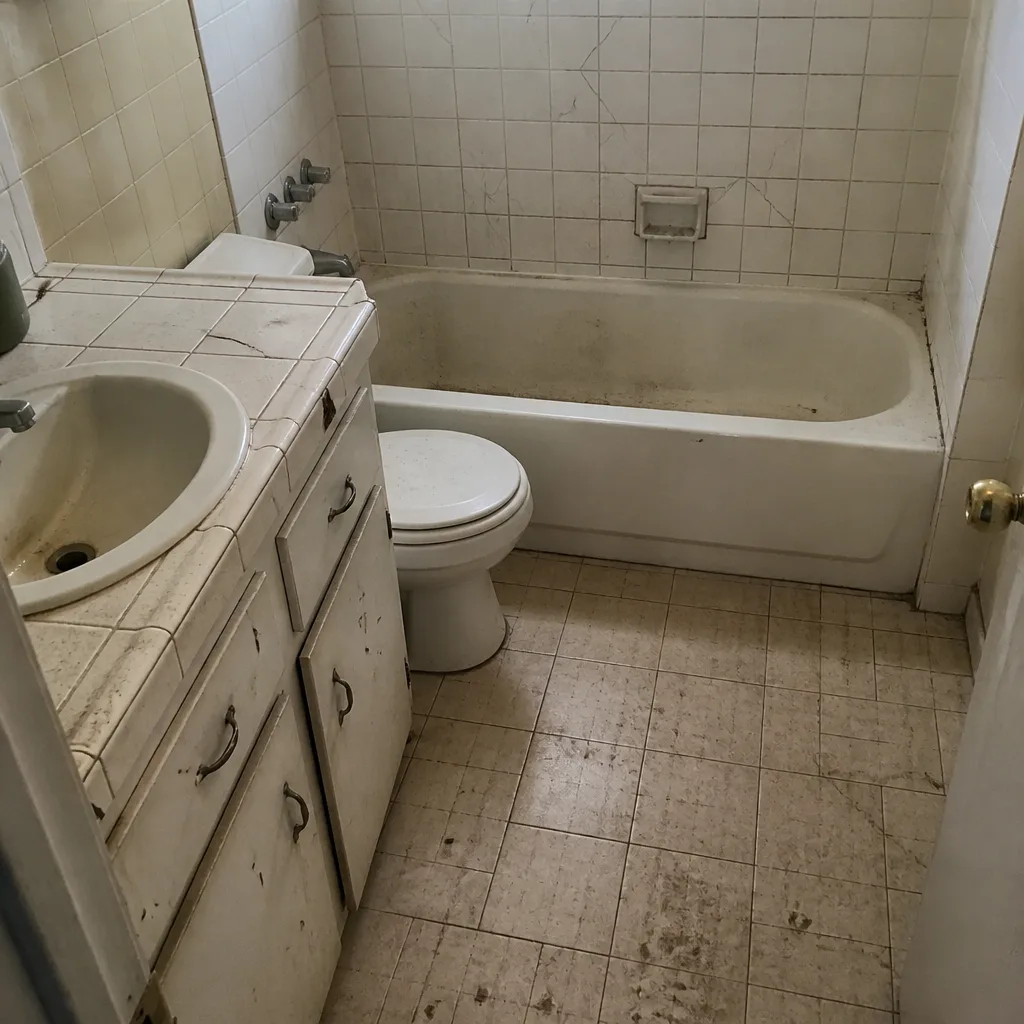
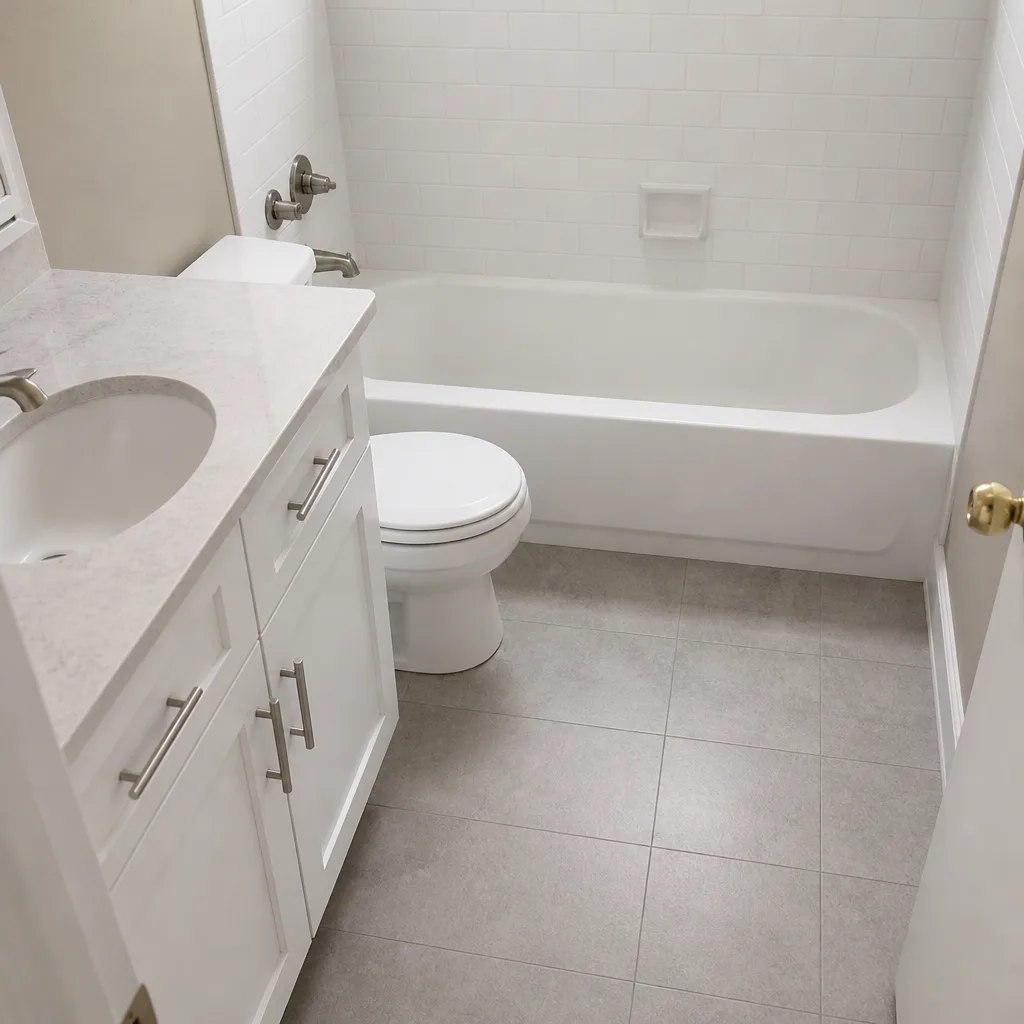
See the difference
 Before
 After
 Before
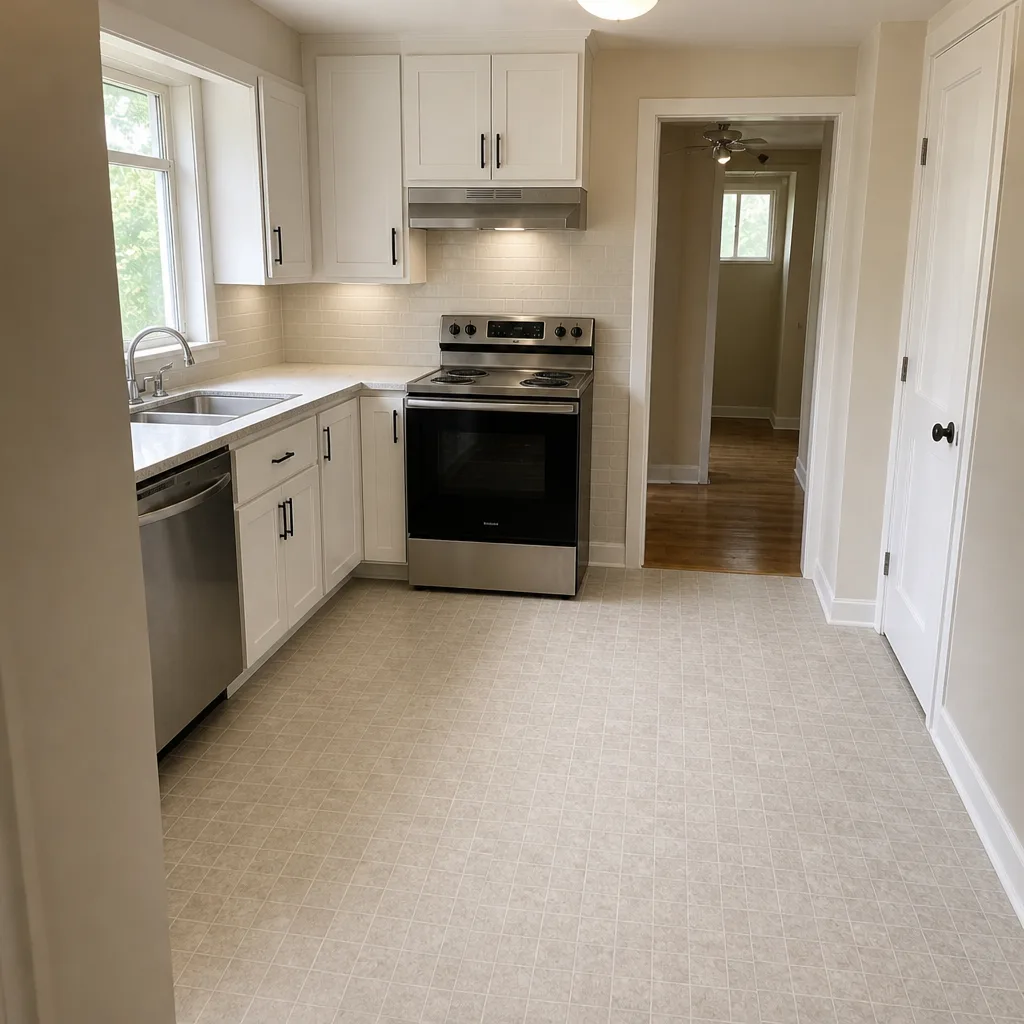 After
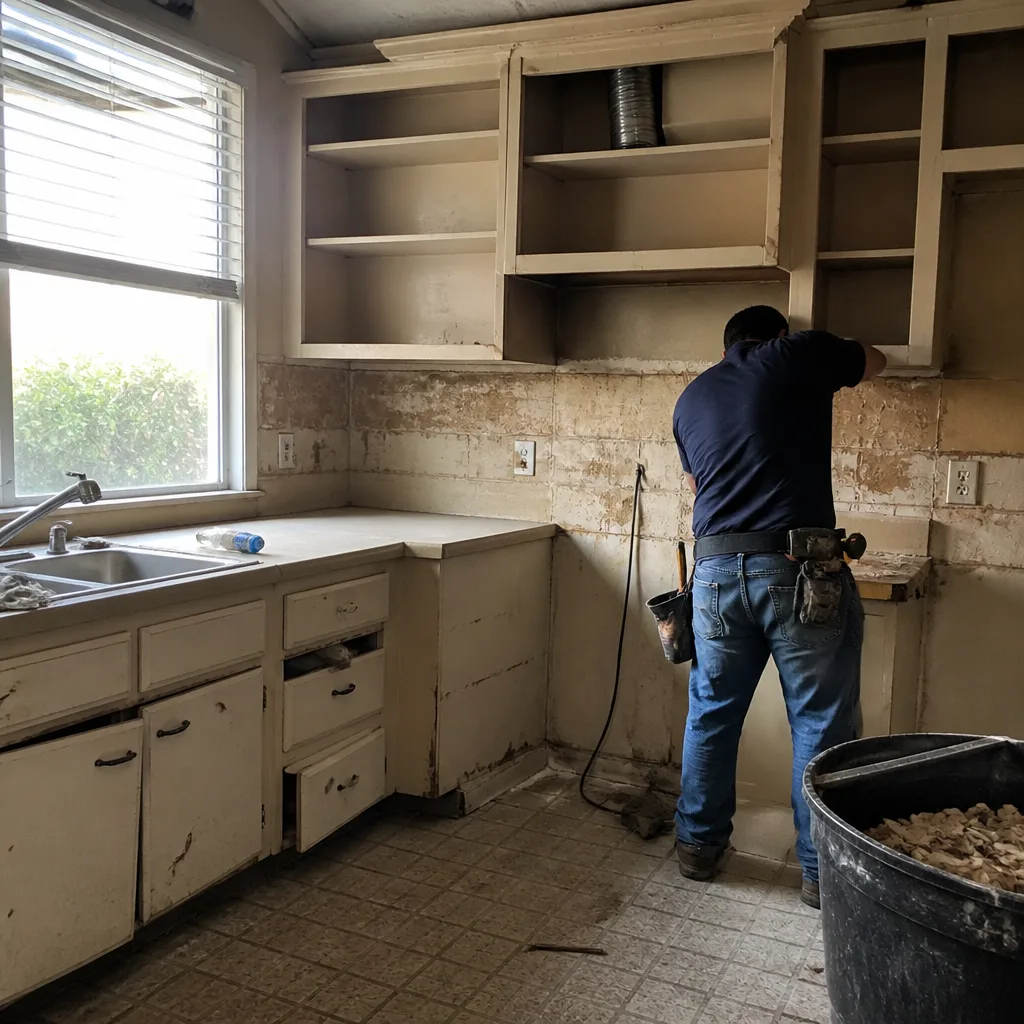 Before
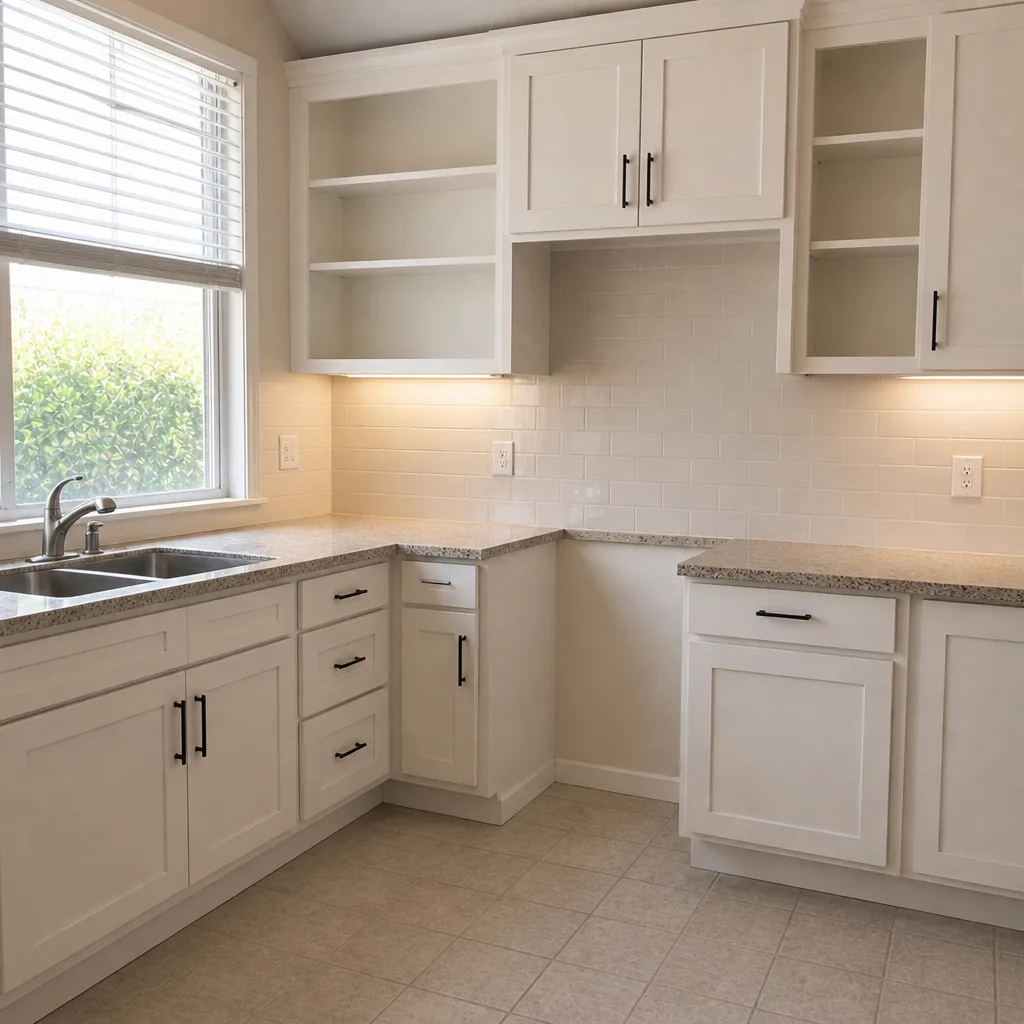 After
When to Call a Professional
Brand selection is not a homeowner decision you should have to make alone. If you’re planning a remodel and you’ve narrowed the scope – new cabinets, countertops, fixtures, floors, or exterior paint – a contractor who can explain the material choices alongside the estimate is worth a conversation. The scenarios where it makes the most difference: replacing builder-grade finishes on an older Folsom home, coordinating a multi-surface refresh where the cabinet finish, countertop color, and flooring tone need to work together, and any project where a fixture or finish failure would be expensive to reverse. The written estimate, with the specific product lines named, is where the price gets set. Call (279) 321-0076 to schedule your free estimate. We answer 24/7. Fast dispatch from 7am to 7pm, Sunday through Friday.
Frequently Asked Questions

The best brands are the ones with a clearly defined designer-grade line and transparent warranty language: KraftMaid and Wellborn in cabinetry, Cambria, Silestone, and Caesarstone in quartz countertops, Kohler, Grohe, Toto, Moen, Delta, Blanco, and American Standard in fixtures, and James Hardie in exterior materials. The brand matters less than the product line and warranty within it. Call (279) 321-0076 to talk through which tier fits your project – estimates are free.
Look at the warranty and the construction details. Designer-grade lines carry longer, more specific warranty terms and use dovetailed drawer boxes, full-extension soft-close hardware, replaceable cartridges, and multi-step factory finishes. Builder-grade lines hit a price point with thinner substrates and shorter warranty coverage. If the contractor can’t tell you which line they’re quoting, ask them to find out.
Folsom’s summers routinely push past 100°F, and the interior temperature near a south- or west-facing window climbs considerably higher than the room’s ambient reading. That heat swings the performance of engineered flooring, vinyl plank, and paint finishes. Branded products with published dimensional stability and heat-resistance ratings are tested against those conditions. Unbranded imports often lack that data, and the failure shows up within a few summers.
No. The right choice depends on how long you plan to own the home, how heavily each surface will be used, and which tier of the brand you’re getting. A well-specified mid-tier product from a reputable manufacturer often outperforms a low-end product from a premium name. The question is always which line, not just which logo. Call (279) 321-0076 to get a written estimate with the specific product lines named.
Yes, and the coordination benefit is real. When the same team specs and installs the cabinet finish, countertop color, plumbing fixtures, flooring, and paint, there are no scheduling gaps between trades and no one to blame but themselves when something doesn’t align. It’s also the difference between a cohesive result and a collection of individually fine pieces that don’t quite work together.
Costs depend on the size of the kitchen, the tier of the brands specified, and the scope of the work. The written estimate sets the price, and it should itemize the specific product lines for cabinetry, countertops, and fixtures so you can see exactly what you’re buying. Call (279) 321-0076 for a free estimate. Our technicians have up to 11 years of experience working with these materials.
The Bottom Line
The most useful thing you can bring to a Folsom remodel is the habit of asking which product line, not which brand. The same parent company sells a builder-grade and a designer-grade product under names that sound similar and photos that look alike. What separates them is what’s inside: the cartridge, the drawer box, the wear layer, the resin chemistry, and the warranty language that tells you how much confidence the manufacturer has in each. A contractor who can explain those differences is a contractor doing material selection deliberately. That’s the standard worth holding them to. Specified by name, installed by us is how we approach every project across Folsom – one contractor, every finish.
Call (279) 321-0076 to schedule your free estimate. We answer 24/7. Fast dispatch from 7am to 7pm, Sunday through Friday.
Written by the team at Remodeling Folsom.