Last updated November 25, 2026






Free written scope consultation - allowances, timeline, and change-order rules on paper before a single trade is scheduled
Seasonal Construction Care for Folsom: Year-Round Homeowner’s Guide
Most home care calendars sold to homeowners assume four neat seasons. Folsom doesn’t work that way. Our year runs on two long phases: a dry, punishing summer of sun and heat, then a wet, cool stretch that puts every exterior joint and surface to the test. October is the hinge between them, and it’s the most important month for a freshly remodeled exterior. New paint, fresh caulk lines, and drainage slopes you haven’t thought about since spring all face the rainy season at once. Treat October like any other month and you skip the one checkpoint that matters most. This guide walks through the real rhythm of Folsom home care, project by project.
Quick Answer
Seasonal construction care in Folsom follows a two-phase cycle rather than four separate seasons: protect painted and sealed exterior surfaces after the dry heat of June through September, then audit drainage, grout, and stone before the wet-and-cold months arrive. The two most efficient windows to schedule exterior remodeling work are May and September, when temperatures are moderate and conditions are stable. Interior projects can run most of the year, with pre-summer checks on expanding floors and humid-season attention in bathrooms.
Styles & brands we work with
- Kitchen remodeling
- Bathroom remodeling
- Home additions & ADU
- Roofing
- Windows & doors
- Driveway & pavers
- Fence
Table of Contents
- Why Folsom Runs on Two Phases, Not Four Seasons
- Post-Summer Care for Exterior Painted Surfaces
- Wet-Season Grout and Stone Care in Bathrooms
- Pre-Summer Checklist for LVP and Hardwood Floors
- Frost Events and Outdoor Tile, Concrete, and Stone
- The Best Months to Schedule Exterior Remodeling
- Building Your Folsom Seasonal Calendar
- Matching Interior Scope to the Calendar
Why Folsom Runs on Two Phases, Not Four Seasons
National home care guides split the year into spring, summer, fall, and winter. If you follow that logic in Folsom, you’ll do the right tasks at the wrong time. The local pattern is simpler and more demanding: a long dry stretch of intense summer sun followed by a wet, cool winter. The transition between them is where most avoidable damage happens, and it’s where planning pays off.
Understanding this helps you schedule both remodeling projects and the care that follows them. During the dry months, UV exposure and heat stress work on paint films, sealers, caulk joints, and exterior wood. Once the rains arrive, water finds every gap and every surface that lost flexibility over the summer. The wet season is when you discover whether your summer protection held.
That pattern has real consequences for material choices. A paint that performs well in a mild four-season climate may not hold its film through a Folsom summer. A sealer that works fine on interior tile can degrade quickly on a west-facing patio. When we specify products, we choose for this climate specifically.
It also changes the value of preparation. A homeowner who does an October walkaround catches small issues before they become replacements. A homeowner following a generic spring cleaning list often misses the window entirely.
- Dry phase (roughly June through September): UV and heat stress on paint, sealers, caulk, and exterior wood; floors inside expand with temperature swings.
- Wet phase (roughly November through March): moisture intrusion testing every joint, grout line, and drainage slope; indoor humidity climbs in bathrooms and other poorly ventilated rooms.
- Pivot month (October): the single most valuable inspection window on the calendar.
Once you see the year this way, every other recommendation in this guide makes more sense. Each section below maps to one part of that cycle, so you can plan remodeling scope and post-project care together rather than as separate chores.
Post-Summer Care for Exterior Painted Surfaces
By the end of September, an exterior paint film in Folsom has taken a full summer of sun. Even a high-performance product like Sherwin-Williams Duration or Benjamin Moore Aura will show the effects: chalking on south- and west-facing walls, hairline checks near trim joints, and caulk that has hardened and pulled away from seams. October is when you look for those signs, before rain reaches them.
Here’s how a typical exterior check-in works after the dry season:
- Walk the sun-facing walls first. South and west elevations dry out fastest and take the most UV. Look for chalky residue on your hand after a light touch, and for dulling or fading compared to shaded walls.
- Inspect every caulk joint at trim, windows, and doors. Run a finger along the seam. If the caulk is hard, cracked, or pulling away, that’s a water entry point once the rains start.
- Check horizontal surfaces. Window sills, ledges, and the tops of trim boards age faster than vertical walls because water sits there and sun hits them at a harsher angle.
- Look at the bottom edge of siding and trim near grade. Soil contact keeps paint wet longer and shortens its life. A simple regrade or gravel strip can extend the paint film significantly.
- Note, don’t panic. Chalking and minor fading are normal wear on a sun-exposed wall. What matters is whether the film is still bonded and flexible. If it’s cracking to the substrate or peeling, that’s a repaint decision, not a touch-up.
Product choice determines how well the film survives this cycle. Duration and Aura are both designed for extended exterior performance, but they still need correct surface prep, proper primer where required, and a caulk that stays flexible through temperature swings. On James Hardie siding, paint adhesion depends on following the manufacturer’s surface prep and coating guidance, which we build into every exterior repaint scope.
If you’ve been putting off a repaint because the walls “still look fine,” October is the time to have that conversation. Call (279) 321-0076 for a free estimate. Fresh paint applied in the right window before the wet season protects the whole assembly behind it.
Wet-Season Grout and Stone Care in Bathrooms
When the rains settle in, indoor humidity climbs. In a well-built bathroom with good ventilation, that’s manageable. In a poorly ventilated one, the wet season shows up in grout haze, efflorescence on stone, and darkened caulk lines. The bathroom you remodeled a couple of years ago can suddenly look tired, when the real problem is moisture with nowhere to go.
Grout and stone sealer are your first line of defense. Sealer doesn’t make tile waterproof, but it buys time by slowing absorption. The challenge in Folsom’s wet months is that sealer wears according to use, not the calendar, and humidity accelerates the effects. A shower that saw light use in summer gets more traffic when everyone’s indoors, so the sealer is working harder when the room is also holding more moisture.
What a well-planned bathroom remodeling scope includes, and what to check on an existing one:
- Ventilation that actually moves air. A bath fan that runs for a set time after a shower matters more in the wet season than any sealer. If the mirror fogs for ten minutes and stays foggy, ventilation is the fix before re-sealing.
- Sealer condition, checked by feel and bead. Water should bead on sealed grout and stone. If it darkens and soaks in immediately, the sealer needs refreshing.
- Efflorescence on natural stone. A white, salt-like film on stone edges signals moisture movement behind or through the stone. Clean it gently and look for the source, don’t just wipe it away.
- Caulk at the shower pan and wall joints. These joints move. A caulk line that’s cracked is a direct path for water into framing and backer behind the tile.
- Grout lines that darken or stay damp. Persistent dark grout far from the shower usually means water is getting behind the tile somewhere else.
For new bathroom projects, we plan materials around the wet-season reality from the start. Caesarstone and Silestone surfaces handle humidity without the maintenance of natural stone. When natural stone is the design goal, we specify it with a sealer schedule and ventilation plan built in, not bolted on later. Toto and Kohler fixtures chosen for a project are installed with the same consideration for moisture movement at their seals.
If your bathroom shows any of these signs after the first rains, call (279) 321-0076 for a free estimate. Investigating early is almost always less disruptive than waiting for a soft spot in the floor.
Pre-Summer Checklist for LVP and Hardwood Floors
Floors move with temperature and humidity. That’s not a defect, it’s physics, and Folsom’s dry summer is where you see it most clearly. Solid hardwood and LVP both expand and contract across the year, and the pre-summer window is when you give them room to do it without complaint. Buckled LVP planks and gapping hardwood seams are almost always expansion and contraction issues, not product failures.
Here’s what to check before the heat arrives:
- Look at your expansion gaps. Every floating floor and most hardwood installations need a gap at walls and fixed objects, hidden under baseboard. If the baseboard is flush to the floor or contact happens somewhere, planks will buckle in summer heat.
- Check doorways and transitions. Threshold strips and transition pieces are where expansion concentrates. A floor that’s tight at a doorway in spring will bind in July.
- Confirm indoor humidity stays moderate. In dry months, humidity inside a Folsom home can drop well below comfortable levels. Very dry air pulls moisture from wood and opens gaps. A whole-home humidifier or even simple room humidifiers during the driest weeks help significantly, and so does not over-running the heater when it isn’t needed.
- Watch for gapping along plank edges. Small uniform gaps in dry season are normal seasonal movement. Wide, uneven gaps or T-joint separations suggest moisture problems rather than normal contraction.
- Check for direct sun exposure on the floor. A west-facing room with large glass can heat a floor surface well above room temperature. Window film, blinds during peak hours, or a rug over the high-exposure zone reduces both heat stress and fading.
When we install flooring alongside a remodeling scope, we specify products that handle Folsom’s temperature range without buckling or gaping. Luxury vinyl plank is a strong choice for many rooms because modern LVP tolerates the range well when it’s installed correctly with proper expansion allowance. Hardwood is also entirely workable in Folsom homes when the moisture and sun factors are designed in. Tile is the most stable across temperature swings, which is a large part of why we recommend it in entry areas and sun-exposed rooms.
Our home remodeling scopes always look at flooring alongside the surrounding systems, because a floor that’s spec’d for a cooler climate will fail in a Folsom summer regardless of workmanship.
If your floor is already buckling or you’re planning a remodel and want the floor spec’d for the climate you actually live in, call (279) 321-0076 for a free estimate.
Frost Events and Outdoor Tile, Concrete, and Stone
Folsom sees occasional overnight frost between December and February. That’s not a mountain winter, but a handful of cold nights each year is enough to expose a mistake in outdoor tile, concrete, and exterior stone. Water that gets into a surface during the rainy season and then freezes at night expands. Surfaces that were installed with the wrong adhesive, insufficient slope, or a material with high absorption can crack, spall, or debond over a single cold spell.
Here’s an audit you can do on any existing outdoor installation:
- Check slope and drainage away from the house. Patios, walkways, and steps should shed water. Puddles that linger more than a few hours after rain mean water is sitting on a surface that will freeze in cold months.
- Look for spreading cracks and spalling. Surface flaking on concrete, or tile edges that are lifting, suggest moisture is getting in. A small spall can become a much bigger repair if water keeps entering.
- Inspect grout and joint lines on outdoor tile. Freeze events open failed joints into direct water paths. If joints around an outdoor tile installation are cracking, that’s the rain and cold doing the work.
- Note stone that shows efflorescence or dark patches. These signs usually mean water is moving through the stone from behind, not just sitting on the surface.
- Check what stone was used and how it was sealed. Porous exterior stone needs a breathable sealer or a material that tolerates moisture cycling. Some stone that performs well indoors will not survive repeated wet-freeze cycles outdoors.
For any future outdoor tile or stone project, we select materials and adhesives for the winter reality, not just appearance. Tile backed with the right adhesive and set on a properly sloped, properly drained substructure tolerates a few frost nights without drama. Concrete that’s poured with correct air entrainment and finishing practices does the same.
If the frost season has exposed cracking, spalling, or lifting on your patio, steps, or entry tile, call (279) 321-0076 for a free estimate. Replacing a failed surface after one cold spell is far cheaper than repairing the structures under it.
The Best Months to Schedule Exterior Remodeling
For exterior work in Folsom, May and September are the two most contractor-efficient windows on the calendar. Both sit near the mild ends of the year. May is past the wettest weather and before the summer heat peaks, and September is on the way down from summer UV with the rainy season still ahead. Paint and exterior materials go on better in both windows, and the finished surface gets time to cure before the conditions it needs to survive.
Here’s what changes when you schedule outside that window:
- Mid-summer scheduling: paint and coatings can dry too fast, which is a real problem for exterior application. Surfaces also need good prep and temperature stability to bond properly. We can work in summer, but we plan around the hottest hours and might need to apply product in the earlier part of the day.
- Wet-season scheduling: exterior paint and caulk need dry surfaces and dry weather to cure. A wet-season repaint can be pushed by rain, which stretches the project and the punch list.
- Interior projects: these are far less weather-dependent. Wood floors, cabinets, and fixture installs can proceed year-round, though we’ll want to time floor installation to avoid the hottest stretches for the same expansion reasons above.
When remodeling a full exterior, we usually split scope by surface: siding repairs and prep in one window, paint in another, and any stone or tile work in a third. That sequencing makes better use of the mild months than trying to compress everything into one stretch. James Hardie-compatible siding systems are part of many of the exterior projects we coordinate, and their durability depends on the installation and sealing phase more than the paint over them.
If you’re planning an exterior refresh, call (279) 321-0076 for a free estimate. May and September fill up as projects get booked, so starting the conversation early is what keeps your project in the good-conditions window.
Building Your Folsom Seasonal Calendar
A workable annual routine for a Folsom home has four checkpoints, not twelve monthly tasks. The point is to hit the pivot months and the two transitions, not to run an endless checklist.
- May: pre-summer. Check floors for expansion gaps, look at the sun-facing paint for early warning signs, and give outdoor surfaces a clean before the heat settles in.
- Late August: heat stress check. Walk the exterior, look at the west- and south-facing walls, and note anything that’s changed over the summer. This informs the October work.
- October: the big pivot. Inspect caulk, paint, and drainage. Have any repairs on the checklist done before the rains arrive, not after. If a repaint is needed, this is the month to schedule it in the fall or lock in a May slot.
- December through February: frost watch. Check outdoor tile, concrete, and stone for spalling or cracking after any cold nights. Watch bathroom grout and caulk for wet-season wear.
Within those checkpoints, the finer details are yours to fit. Grout and stone sealer, for example, is inspected by feel and bead rather than a fixed date, because it wears according to use. Exterior paint gets a thorough look after the UV season. Floor care is anchored to the pre-summer window.
What this calendar doesn’t include is a long monthly list of chores that you’ll abandon by March. A seasonal rhythm lives or dies on whether you actually do it. Four checkpoints is a bar you can keep.
If you’re remodeling this year or next, the calendar also shapes your project planning. If you’re starting with kitchen remodeling, for example, you can choose a shoulder-season slot around the interior work, then let the exterior work ride the May or September window. You can see the full scope of kitchen remodeling covered on that page, and the same logic applies to every interior scope.
Matching Interior Scope to the Calendar
The seasonal cycle doesn’t stop at the front door. Interior remodeling has its own rhythm in Folsom, driven by humidity, temperature, and how the finished materials perform across the year. When you plan a project, the calendar should shape both the timing and the material spec.
Kitchens are the most forgiving on timing because fixtures and surface materials don’t care much about the season. KraftMaid and Wellborn cabinetry install well any month of the year, and quartz surfaces like Cambria, Silestone, and Caesarstone are unaffected by humidity swings. The one calendar note is floor installation, which we handle per the pre-summer considerations above. Beyond that, the kitchen work itself is schedule-flexible.
Bathrooms deserve more attention to the calendar because they hold moisture more than any other room. The bathroom remodeling conversation should include ventilation, sealer, and the wet-season behavior of any natural stone. Toto and Kohler toilets, Grohe and Delta fixtures, and Blanco sinks are all built for daily use, but the surrounding surfaces are what need to be spec’d for the humidity phase.
Flooring and painting follow the exterior and pre-summer logic most closely. Both are materials that respond visibly to the Folsom cycle, and both benefit from clear timing. Interior paint, on the other hand, is largely schedule-flexible, though we plan the move-in and dry times around the homeowner’s timeline.
What ties all of this together is the single-contractor advantage. On a full-scope project, the schedule, material choices, and post-project care for every room come from one source. That matters more in a climate with strong seasonal swings, because the pieces have to agree with each other. When we’re coordinating the work, we can plan every surface to the same seasonal logic rather than explaining each trade’s separate advice.
To plan your remodel around Folsom’s actual seasons, call (279) 321-0076 for a free estimate. We’ll line up material choices and scheduling with the climate you live in.
Common Mistakes to Avoid
- Following a national four-season calendar. Generic spring cleaning lists miss the October pivot that matters most here. If you only do one big exterior check, October is when it should be.
- Repainting before checking prep and caulk. Fresh paint over failing caulk hides a moisture path for a season and then fails at the same joints. Caulk inspection and repair comes before paint, never after.
- Letting floors run tight into walls. Floors that are tight to the baseboard in spring will buckle in summer heat. The expansion gap is the whole reason a floating floor can work in a Folsom home.
- Ignoring bathroom ventilation while re-sealing. Sealer slows moisture absorption; it doesn’t stop it. Adding sealer to a poorly ventilated bathroom just delays the visible signs.
- Scheduling exterior projects in the middle of the wet season. Exterior paint and caulk need dry conditions to cure properly. Mid-winter rain can turn a two-week project into a month of delays.
- Ignoring small exterior tile cracks until winter. A failed joint or hairline crack in outdoor tile is where freeze events do the most damage. Fix the small signs in October, before the cold nights.
- Choosing materials without considering the seasonal cycle. Stone, sealer, paint, and floor products perform very differently across a Folsom year. A product spec’d for a mild climate can disappoint here regardless of installation quality.
See the difference
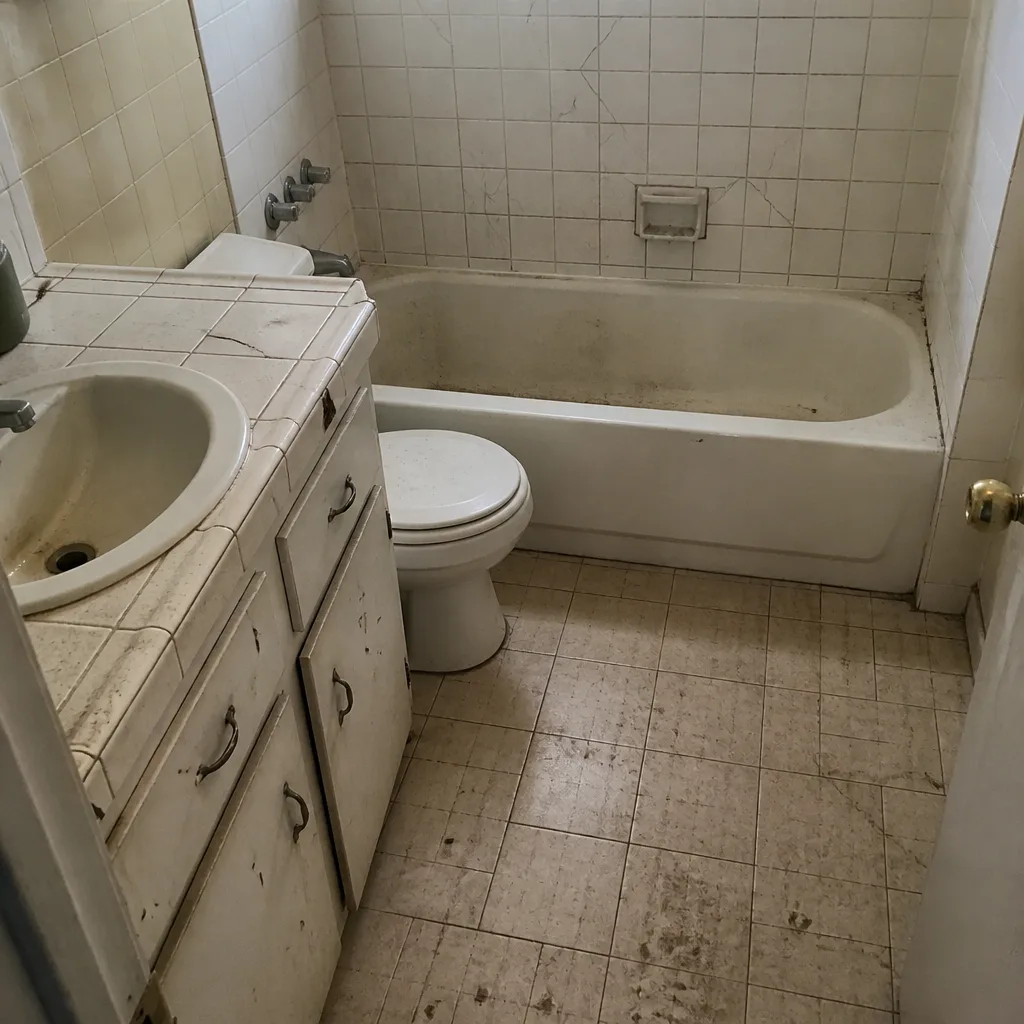 Before
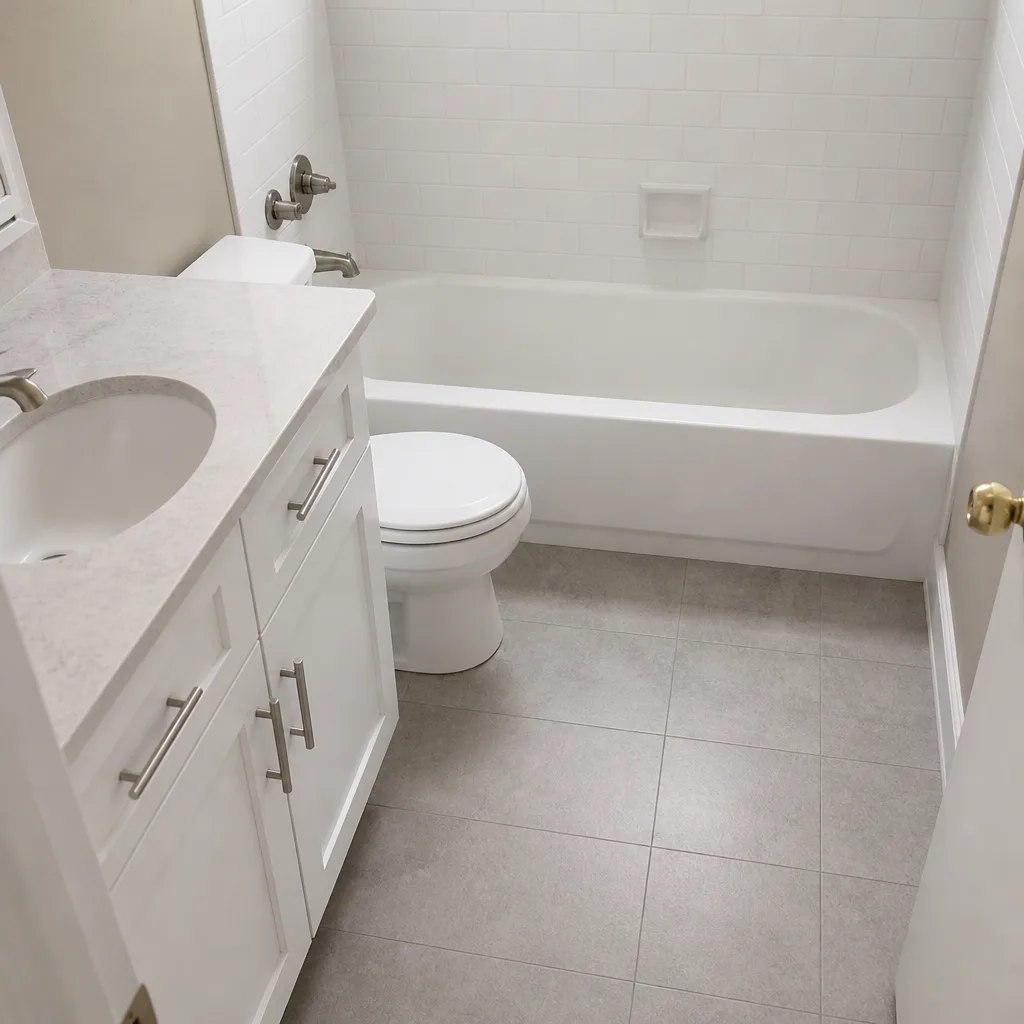 After
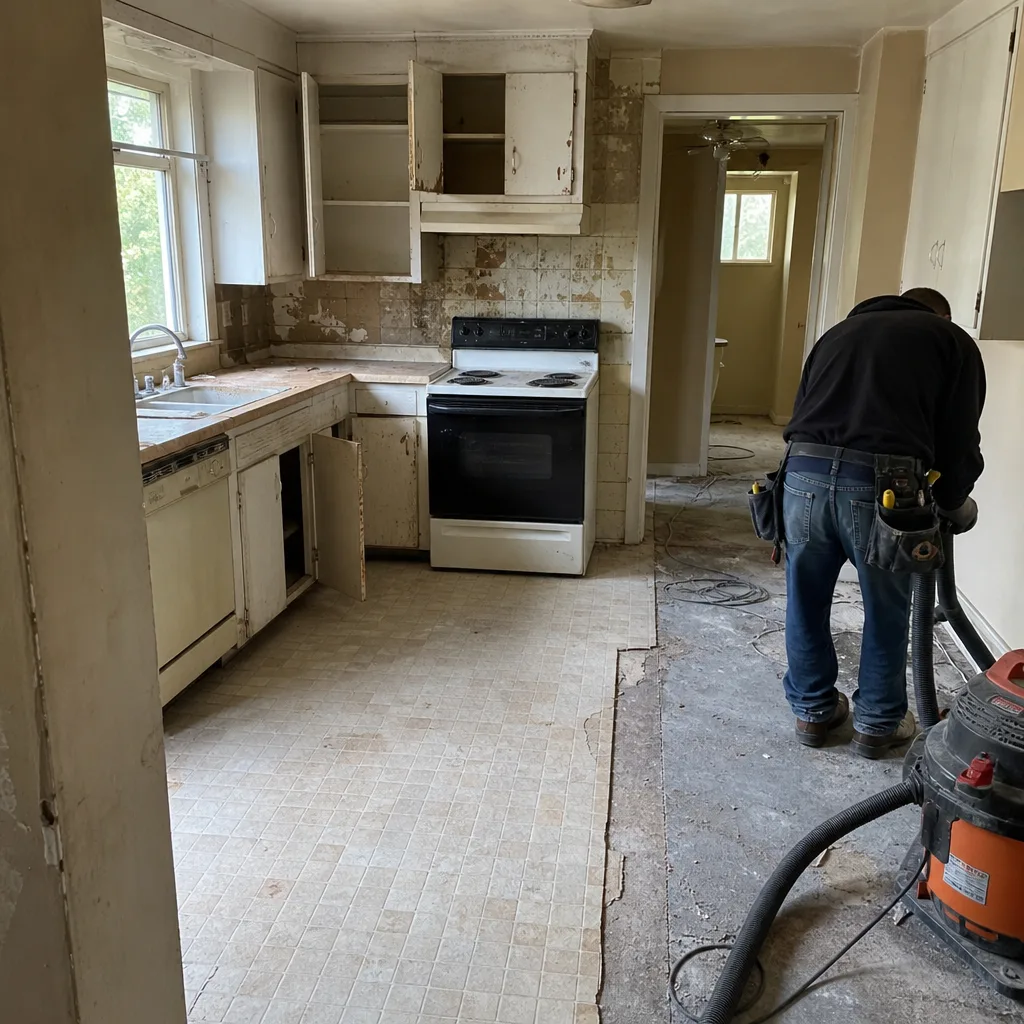 Before
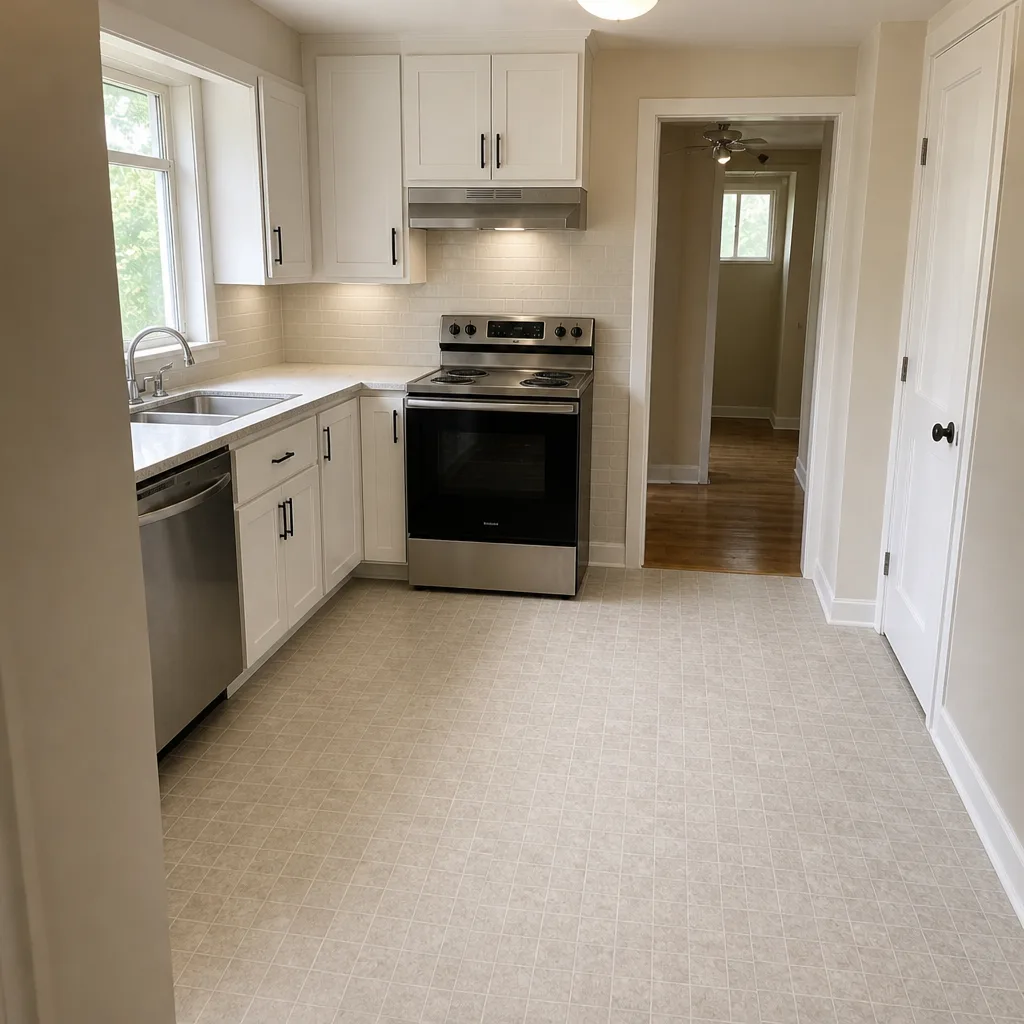 After
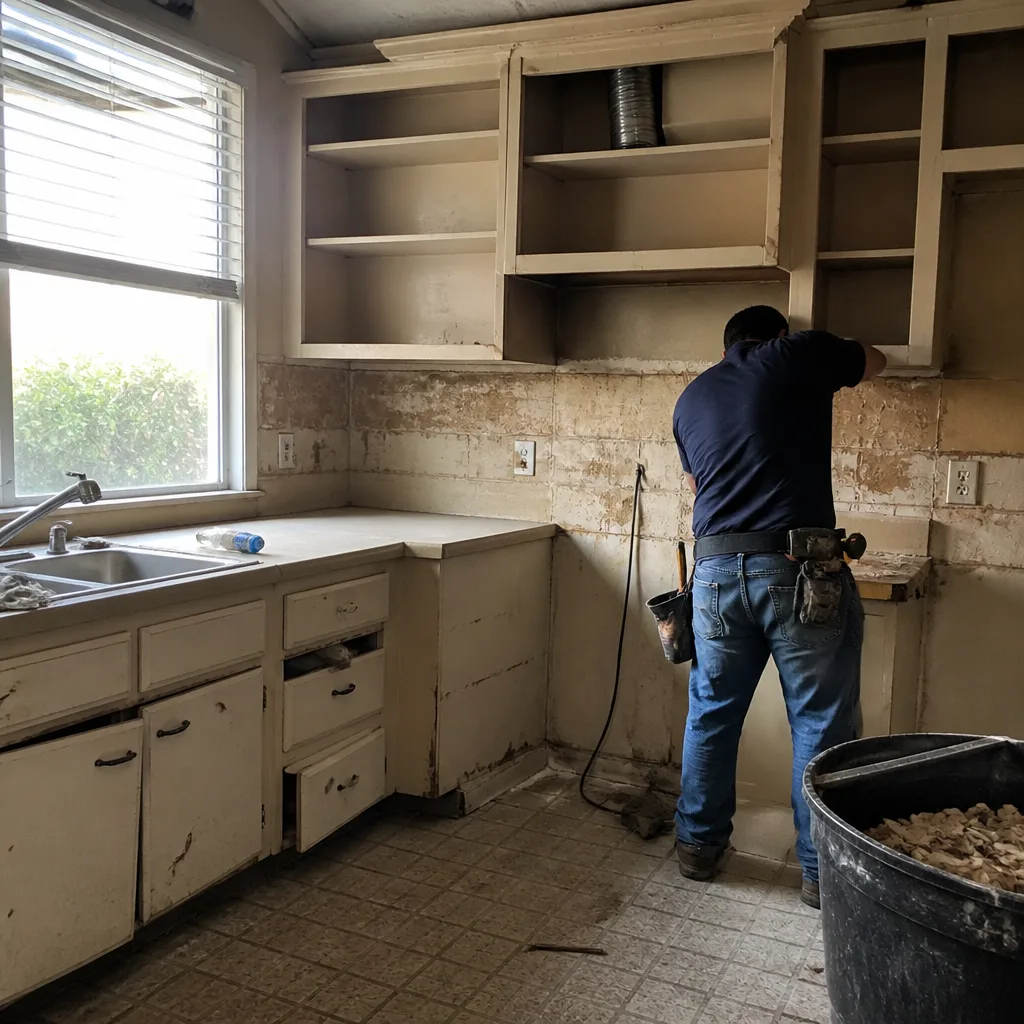 Before
 After
When to Call a Professional
Some seasonal care is a homeowner project: wiping down exterior surfaces, checking the expansion gap under the baseboard, running the bath fan. Other items need a trained eye and the right products, and knowing the difference saves money.
Call a professional when you discover cracked or peeling exterior paint that’s no longer bonded to the substrate, when exterior tile or stone shows spalling, lifting, or repeated water damage after the rains, and when bathroom grout or caulk fails across a wide area. Also call when a floor has buckled or gapped beyond normal seasonal movement, since writing off a real problem as “seasonal” is common and costly. When you’re past the check stage and ready to plan a project, our Remodeling Folsom team brings material literacy to every scope. Remodeling Folsom offers free estimates in Folsom. Call (279) 321-0076.
Frequently Asked Questions

October is the most important month for exterior care in Folsom, because it’s the pivot between the dry UV season and the wet season. It’s when you catch failing caulk, stressed paint, and drainage issues before rain reaches them, so call (279) 321-0076 for a free estimate if you want those repairs checked before the wet months.
Plan a full exterior repaint for May or September, when conditions are mildest and the coating has time to cure before the next stress phase. If your paint shows cracking, peeling, or chalky fade after a summer of sun, schedule an inspection in October and be ready to book the paint window early since May slots fill quickly.
Frost damage on outdoor tile or stone shows up as spalling, lifting edges, widening cracks, or dark patches that persist after drying. Check patios, walkways, and steps after February cold nights, and call (279) 321-0076 for a free estimate if you find any of these signs since early repair is much cheaper than replacing the whole surface.
Yes, both need a pre-summer check because floor materials expand and contract with temperature and humidity swings, and the dry summer is when you’d notice it most. The check is simple: look for expansion gaps at walls, transitions and doorways, watch the indoor humidity during the driest weeks, and address any direct sun exposure on the floor. Call (279) 321-0076 if you see buckling or large gaps, as that’s usually an installation fix rather than a seasonal adjustment.
Bathroom grout and stone sealer wear faster in the wet season because indoor humidity rises and ventilation struggles to keep up. Sealer slows absorption, but it can’t compensate for a bathroom that doesn’t move air well. If you’re re-sealing for the third time, the more durable fix is a ventilation review, and a bathroom remodeling scope can address that along with grout and fixture updates.
Yes, material selection for Folsom’s climate changes outcomes more than most homeowners expect, because paint, sealer, stone, and flooring all respond differently to a dry-hot summer and a wet-cool winter. We choose products with that cycle in mind, brand by brand, from Sherwin-Williams and Benjamin Moore coatings to Cambria, Silestone, and Caesarstone surfaces and James Hardie-compatible siding materials. Call (279) 321-0076 for a free estimate and we’ll walk you through the spec for your project.
The Bottom Line
Folsom doesn’t follow a four-season maintenance calendar. It runs on a two-phase cycle of dry heat followed by wet-and-cold, with October as the hinge that matters most. If you do only one thing to protect your home this year, do an exterior audit in October: paint, caulk, drainage, and any frost-susceptible surfaces. If you’re planning a remodel, line the schedule up with May or September for exterior work, plan interior projects with the expansion season in mind, and spec materials for the climate you live in. Remodeling Folsom works with you on all of it, from the first exterior repaint to a full-scope project where every surface follows the same seasonal logic.
Call (279) 321-0076 for a free estimate. We answer 24/7. Fast dispatch from 7am to 7pm, Sunday through Friday.
Written by the team at Remodeling Folsom.