Last updated November 25, 2026



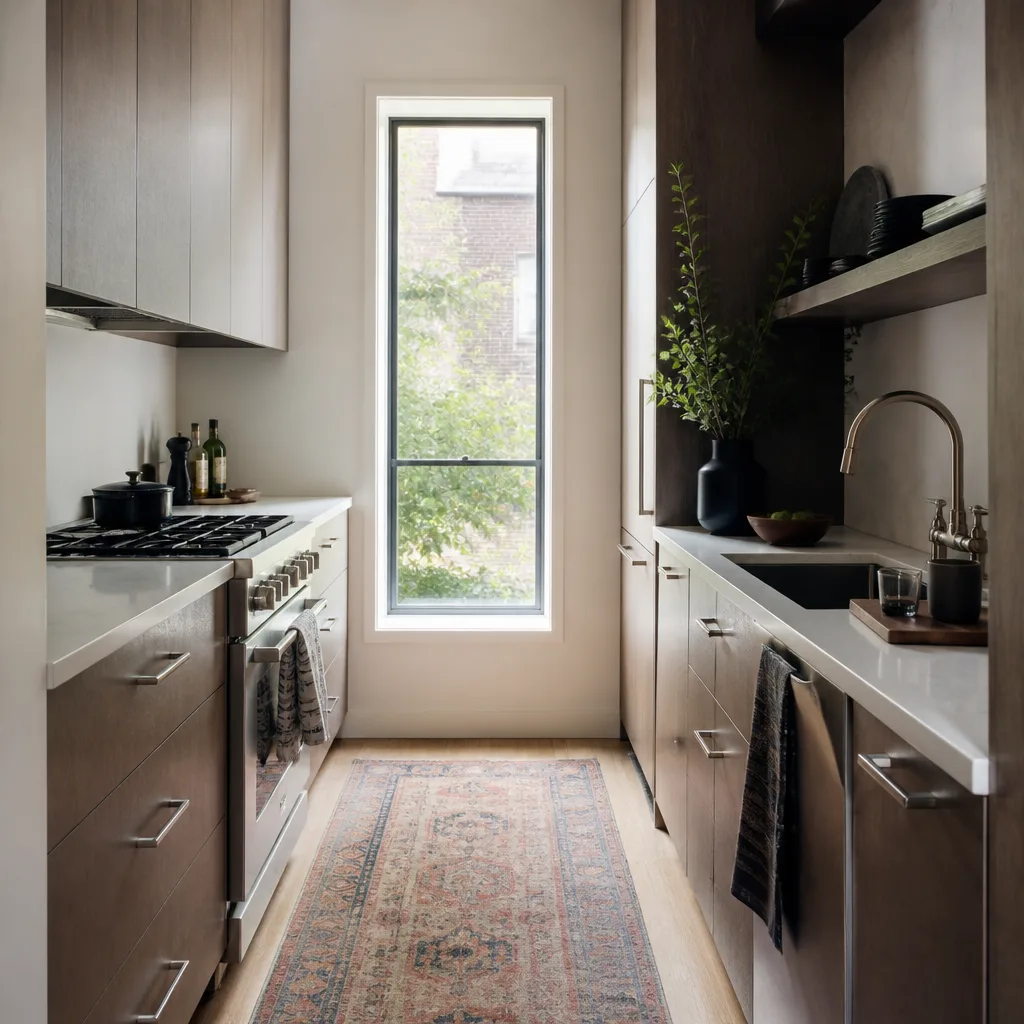
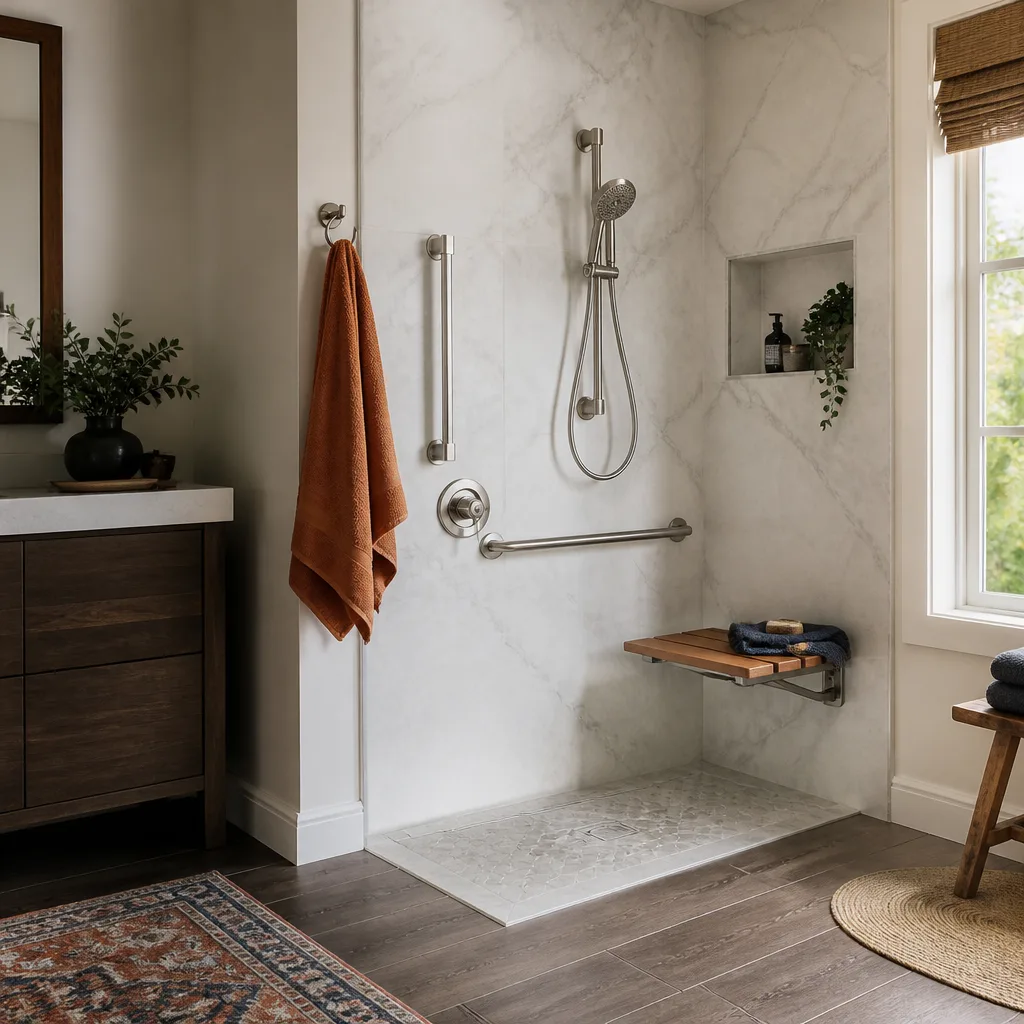
Free written scope consultation - allowances, timeline, and change-order rules on paper before a single trade is scheduled
How to Hire a Construction Contractor in Folsom: A Step-by-Step Guide
Any licensed contractor in California can pull a permit and pass a rough inspection. What the license doesn’t tell you is whether they know the difference between a Schluter Kerdi membrane and a felt paper shower pan, and that difference is what separates a tile job that lasts twenty years from one that leaks in four. The standard advice, check the license, get three bids, read reviews, is table stakes. It filters out the obviously unqualified. It doesn’t tell you whether the person holding the clipboard can read a materials spec sheet.
This guide is about the second layer. We’ll walk through the exact questions to ask before you accept a bid, how to read a contractor’s CSLB record for scope limits and citations, why the cheapest number in Folsom usually signals a substitution rather than efficiency, what a real materials specification should look like, and how to build a payment schedule that ties money to inspections instead of calendar dates. By the end you’ll be able to tell a project manager from a remodeler who actually understands specifications, which is the skill that decides whether your kitchen, bathroom, or floor turns out the way you pictured it.
Quick Answer
To hire a construction contractor in Folsom, verify the license on the CSLB website, confirm the classification covers your project, ask for a written materials specification naming actual brands and substrates, tie payments to passed inspections rather than dates, and compare at least three bids on what’s specified, not just on the bottom-line number. The contractor who can explain their waterproofing system and subfloor prep method in plain language is the one to hire.
Styles & brands we work with
- Kitchen remodeling
- Bathroom remodeling
- Home additions & ADU
- Roofing
- Windows & doors
- Driveway & pavers
- Fence
Table of Contents
- Step 1: Read the CSLB Record Before You Read the Bid
- Step 2: Demand a Materials Specification Sheet, Not a Promise
- Step 3: Ask About Subfloor Prep and Waterproofing by Name
- Step 4: Understand Why the Lowest Bid in Folsom Is Usually a Substitution
- Step 5: Build a Payment Schedule Around Inspections
- Step 6: Walk the Job Before You Sign
- Step 7: Match the Contractor’s Scope to Your Whole Project
Step 1: Read the CSLB Record Before You Read the Bid
Every contractor working in California should hold a license issued by the Contractors State License Board, and that record is public. Pull it before you do anything else. The record tells you more than whether the license is active. It tells you the classification, whether there are any complaints, and whether the license has ever been suspended.
Here’s what to look at, in order:
- Classification. A B classification covers general building work. Specialty work falls under C classifications. If your project is a full kitchen remodel, a B license or a combination that includes the right C classes matters. A contractor only licensed for one narrow trade may not legally lead a whole-scope remodel.
- License status and expiration. Active, expired, or suspended. Expired is a red flag that a contractor has let paperwork slip, which usually means other things are slipping too.
- Complaints and citations. The board lists them. Read them. A single dispute is not disqualifying, but a pattern around a specific issue, payments or abandonment, tells you something.
- Bond and insurance on file. Confirm both are current. Insurance protects you if something goes wrong on the job.
In Folsom, where many homes sit in older established neighborhoods and newer planned communities alike, you’ll also want to confirm the contractor is comfortable working with the city’s building department. A remodeler who has pulled permits for kitchens and bathrooms in Folsom before knows the inspection sequence and won’t lose weeks learning it on your dime. Ask directly: how many Folsom projects have you permitted, and how do you schedule the inspections?
Step 2: Demand a Materials Specification Sheet, Not a Promise
A materials specification sheet is a written list of exactly what goes into your project, brand by brand and product line by product line, with allowances and models noted. The absence of one is the single biggest warning sign in a remodeling proposal, because without it, nothing in the bid is binding. “Quality cabinets” is not a specification. It’s an adjective.
A legitimate spec sheet names products. For a kitchen, it lists the cabinet line by name, whether it’s KraftMaid or Wellborn, and the door style. It lists the countertop material by manufacturer, Cambria, Silestone, or Caesarstone, with the slab color. It names the sink (Blanco), the faucet (Delta or Moen, or Grohe if you’re going higher-end), and the disposal. For a bathroom, it names the toilet (Toto or American Standard), the shower valve and trim, and the waterproofing system.
Why does this matter so much? Because most bids in Folsom are written to be compared on price alone. Two bids can look identical at the bottom line while one specifies KraftMaid cabinetry and the other specifies a private-label box that no showroom carries. When a contractor hands you a binder with generic samples instead of a named spec, they’re asking you to trust that the substitute will be fine. Sometimes it is. Usually the substitution happens when the budget gets tight mid-project, and by then you’ve already signed.
Ask this question: “Will my proposal list the exact brand and model for every cabinet, counter, fixture, and finish?” If the answer is anything other than a clear yes, you’ve learned what you need to know. If you want to see what a full specification-first remodel looks like in practice, review the home remodeling scope to understand how materials, sequencing, and trades come together under one contract.
Step 3: Ask About Subfloor Prep and Waterproofing by Name
Two of the most common remodel failures live under the surface: a tile floor that cracks because the subfloor wasn’t prepped to standard, and a shower that leaks because the waterproofing was done with the wrong system. Neither shows up on an inspection. Both show up two years later as a soft spot or a stain on the ceiling below.
So ask. A contractor who knows their trade will answer without hesitation and in specifics. A contractor who doesn’t will give you a vague generalization.
Questions to ask about tile and flooring
- What is the current subfloor, and what deflection standard will you build to before tile goes down?
- Will you install an uncoupling membrane or a cement backer board, and which brand?
- How will you handle transitions between tile and hardwood, or between rooms at different heights?
- For a shower, what waterproofing system do you use? A sheet membrane like Schluter Kerdi, a liquid-applied membrane, or a traditional mortar bed with a liner?
- Will you flood-test the pan before tile goes on?
The shower question is the one that separates contractors. A trained remodeler will tell you which system they use and why, and they’ll mention flood testing as a standard step, not an optional one. A contractor who says “we’ve never had a leak” without naming a system is telling you they’ve never had a leak they were called back for.
Folsom’s climate is mild, which is good news for substrates, but it doesn’t change the requirements inside a wet area. Waterproofing is about what happens inside the shower, not the weather outside. Get the answer in writing, with the system named, and consider it a condition of the contract. For the specific sequence of a wet-area build, the bathroom remodeling page covers how we sequence waterproofing, tile, and fixtures.
Step 4: Understand Why the Lowest Bid in Folsom Is Usually a Substitution
When one bid comes in dramatically lower than the others, the first instinct is that the contractor is more efficient. Almost never. The lower number is usually a different set of materials wearing the same description. Builder-grade cabinets subbed for the semi-custom line you discussed. A no-name tile subbed for the tile you picked out. A cheaper shower valve behind the wall where you won’t see it until it fails.
Here’s how to check a low bid instead of rejecting it outright:
- Compare line items, not totals. If the low bid doesn’t break down materials, ask for the breakdown before you compare anything.
- Ask what was removed to get to that number. The contractor should be able to name it: a different cabinet line, a lower allowance, a simpler tile pattern. If they can’t, the bid isn’t complete.
- Check the allowance amounts. A bid with a $3,000 countertop allowance and another with a $7,000 allowance aren’t the same bid. Allowances are where bids are made to look cheaper than they are.
- Confirm labor isn’t the variable. Labor on a Folsom kitchen doesn’t vary by 40% between reputable contractors. Materials do.
There’s a legitimate way to save money, and it’s not through substitution. It’s through deliberate choices: a slightly smaller island, a different tile size, a stock cabinet line you actually like. That’s why we arrive with a curated lineup across categories rather than a single generic sample book. When KraftMaid and Wellborn are both on the table, and Cambria, Silestone, and Caesarstone are all options, you can make a real decision instead of accepting whatever the budget forces. One contractor, every finish, priced honestly from the start.
Step 5: Build a Payment Schedule Around Inspections
Never sign a contract that asks for a large payment before work begins or that schedules payments by calendar date. The payment schedule should be tied to milestones, and the most reliable milestones are passed inspections and completed phases you can see with your own eyes.
A sound structure looks like this:
- Small deposit at signing. Enough to order materials, no more. In California, the deposit is capped by law, so confirm the amount against the current limit before you sign.
- Second payment when demolition and rough-in are complete and inspected. Framing, electrical, and plumbing rough inspections passed before money moves.
- Third payment when the drywall, waterproofing, and tile or flooring are in. This is when the job starts to look like a room.
- Final payment after the final inspection and your own punch-list walk. Hold a meaningful percentage until every item on the punch list is closed.
The principle is simple: money follows verified progress. A contractor who insists on large early payments is asking you to fund their cash flow. A legitimate one plans materials ordering into the deposit and bills the rest against work. Ask to see the schedule before you sign, and treat a pushback on this as a serious warning.
If you want to understand how a full-scope contract sequences payments against trades and inspections, the kitchen remodeling page walks through the phases from demolition to final walkthrough.
Step 6: Walk the Job Before You Sign
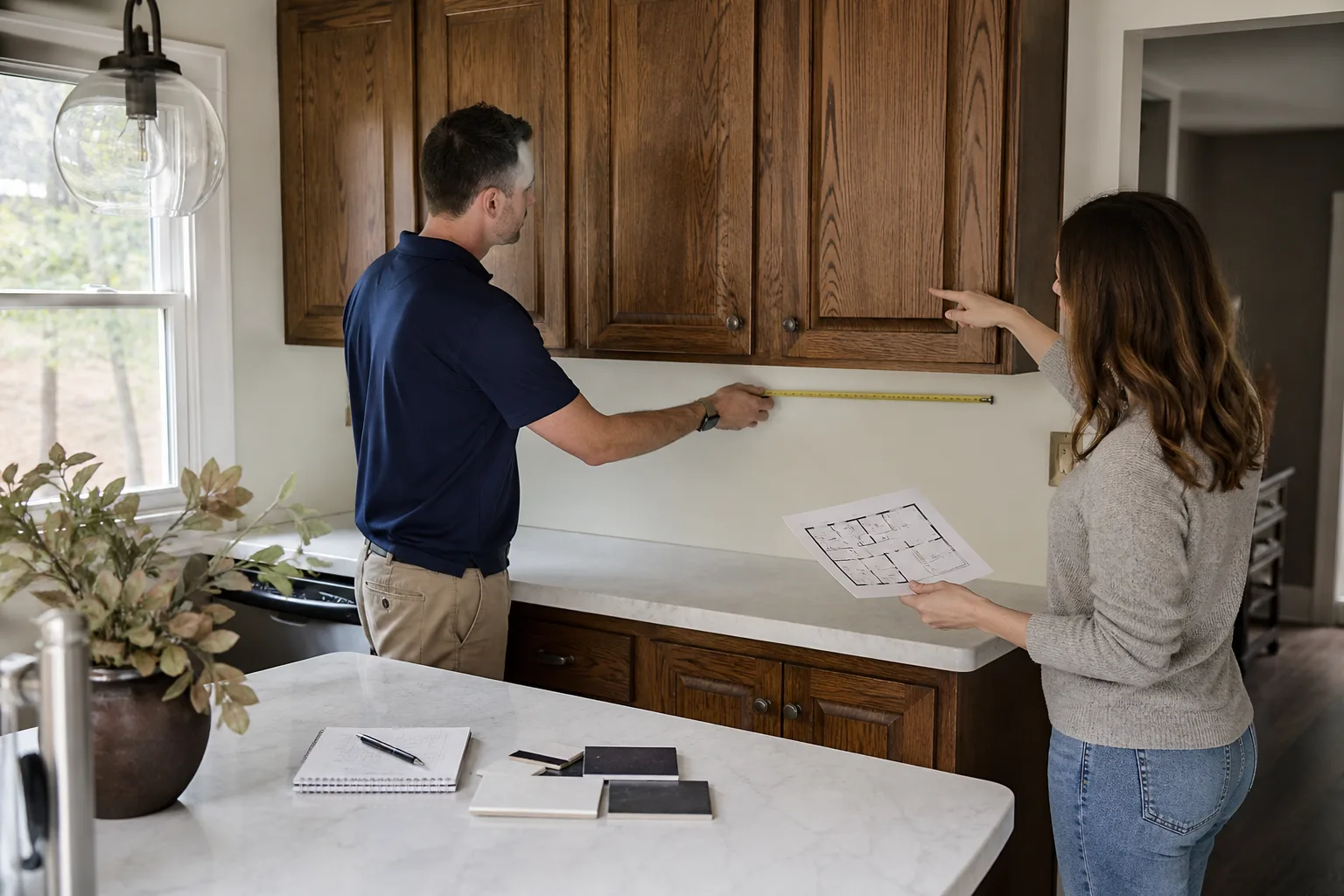
Ask for a walkthrough of your own home with the contractor who will actually run the job, not just the salesperson. Fifteen minutes in the space walking through the plan reveals more than a two-hour presentation. This is where you find out whether the person running your project understands the specifics.
During that walkthrough, you should hear:
- How they’ll protect floors and adjacent rooms during demolition.
- Where materials will be staged and how deliveries are handled.
- Who your single point of contact is for the duration of the project.
- What the sequence looks like week by week, including inspection windows.
- What happens if a hidden issue surfaces behind a wall.
That last one matters in Folsom’s older homes. A wall opened for a bathroom remodel can reveal old plumbing, an unexpected junction box, or a floor that isn’t level. The answer you want isn’t “we’ll figure it out.” It’s a clear process: stop, document, price, and get your written approval before proceeding. That protection is the whole point of a fixed-price contract with written change orders.
Our technicians have up to 11 years of experience, and they’re the ones who walk a project with you. You’ll also want to confirm who pulls the permits. In Folsom, most structural and mechanical work requires a permit through the city’s building department. The contractor should pull it, not you, and it should be listed in the contract.
Step 7: Match the Contractor’s Scope to Your Whole Project
The last evaluation is about coordination. If your project touches more than one room or more than one trade, ask who is responsible for the seams. A kitchen remodel that involves cabinets, countertops, tile, plumbing fixtures, and paint under one contract is far easier to run than the same project split across four contractors, each blaming the other when the tile meets the cabinet in the wrong place.
Here’s what a single-contractor scope covers cleanly:
- Cabinetry and surfaces. KraftMaid and Wellborn cabinetry, Cambria, Silestone, and Caesarstone surfaces, specified and installed in coordination.
- Plumbing fixtures. Kohler, Grohe, Toto, Moen, Delta, Blanco, and American Standard fixtures matched to what high-end showrooms stock.
- Flooring. Tile, hardwood, and other materials spec’d in coordination with cabinetry and paint, not retrofitted after the fact.
- Interior and exterior painting. Paired with James Hardie siding systems for a cohesive exterior refresh, and Therma-Tru and Mr-Glass entry door and glazing options when the scope includes door replacement.
Ask the contractor: “Which of these fall under your contract, and which do I hire separately?” A clear answer tells you where accountability sits. A vague one tells you it doesn’t. The full picture of what a coordinated remodel includes is on our Remodeling Folsom overview, and we’re happy to walk through any combination on a free estimate.
Common Mistakes to Avoid
- Comparing bids without comparing specifications. A bid is only meaningful if it lists the same materials as the others. Ask for a brand-and-model spec sheet from each bidder before you compare a single number.
- Accepting a contractor’s word on waterproofing. “We’ve been doing this a long time” is not a system. Ask for the named membrane, and ask whether the shower pan gets flood-tested. If either answer is fuzzy, walk away.
- Paying by calendar date instead of inspection. A schedule tied to dates benefits the contractor’s cash flow, not your project. Tie every payment to a completed phase and, where applicable, a passed inspection.
- Ignoring the CSLB record because the contractor seems nice. The record is public for a reason. Read it, including complaints, before you commit.
- Skipping the permit to save time. In Folsom, unpermitted work creates problems at resale and can fail insurance. A licensed contractor pulls the permit and schedules the inspections.
- Letting the lowest bid set the budget. The lowest bid is often the one that substitutes materials. Set your budget from the specification you actually want, then compare bids against that spec.
- Hiring one contractor per trade without a coordinator. Cabinets, countertops, tile, plumbing, and paint each have a seam with the next trade. Splitting them across separate contractors means someone has to coordinate, and it usually ends up being you.
See the difference
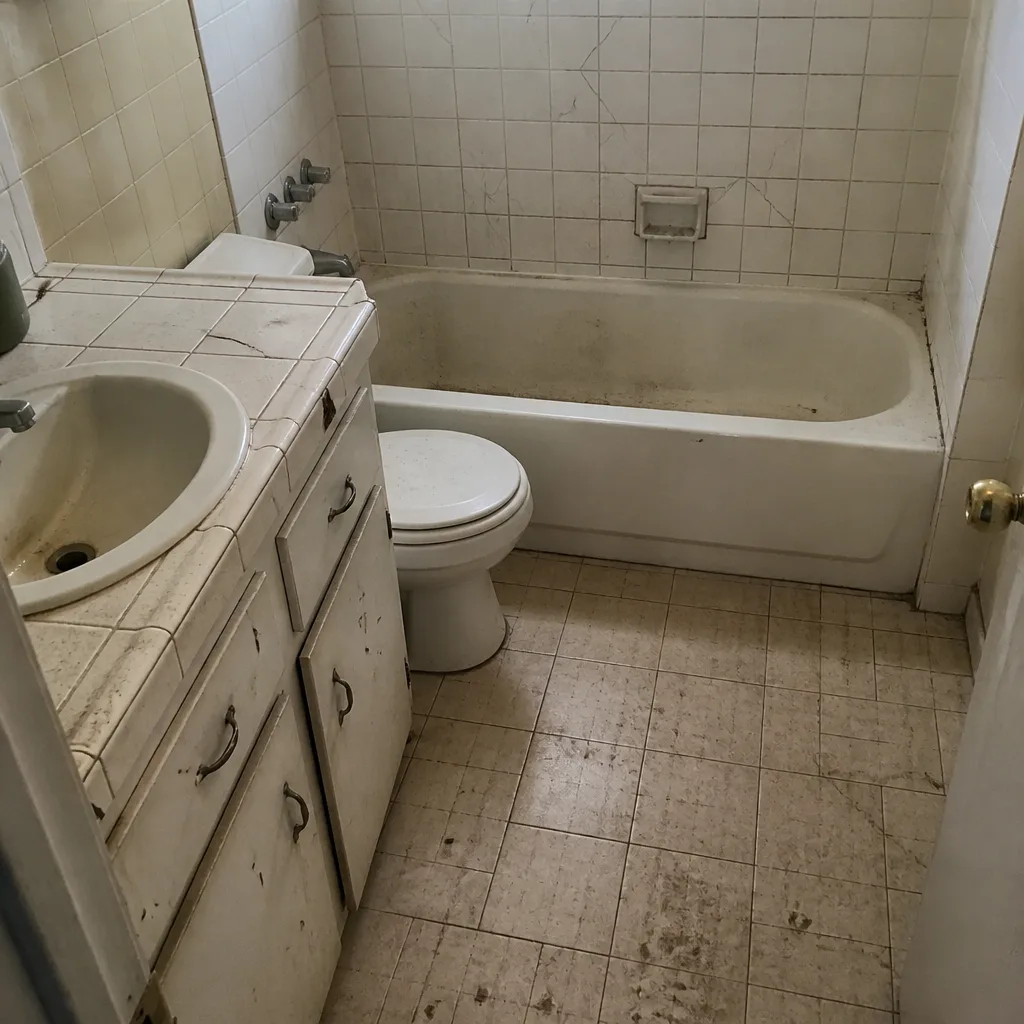 Before
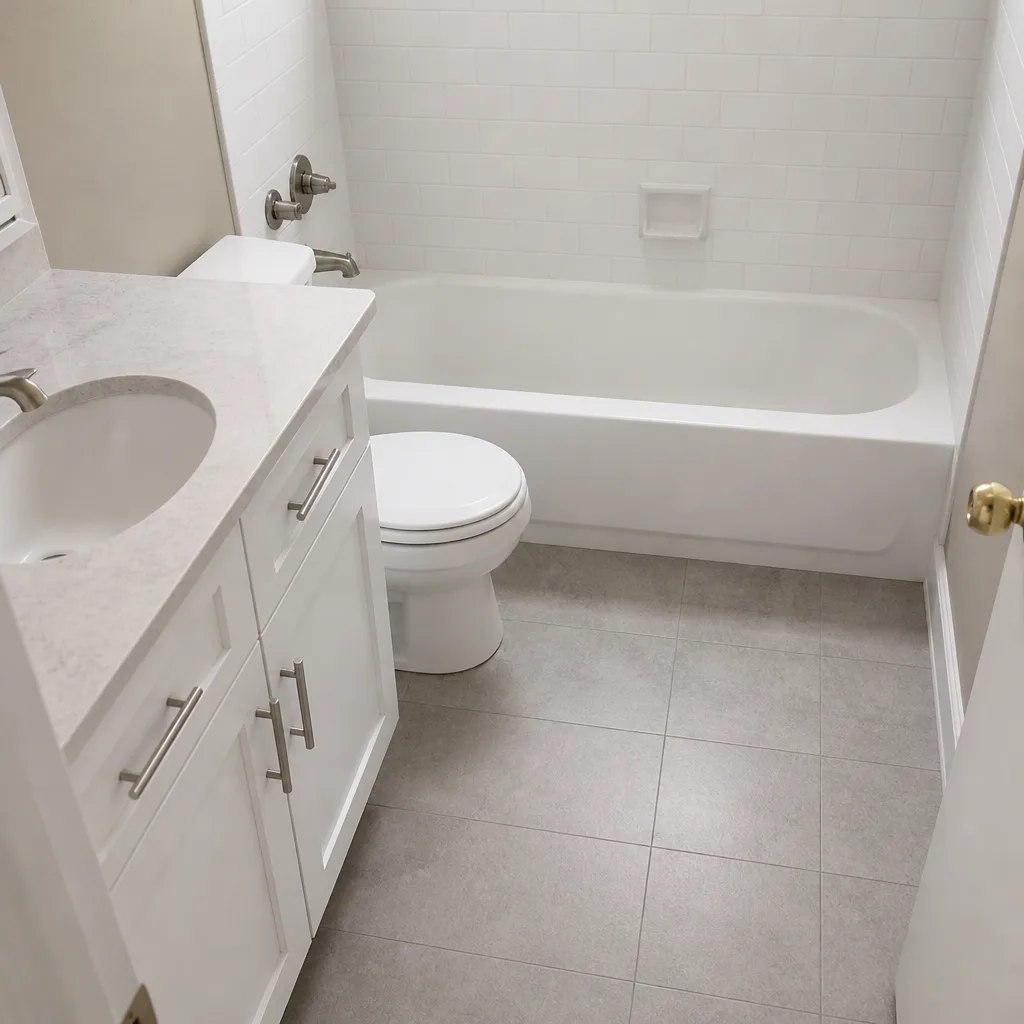 After
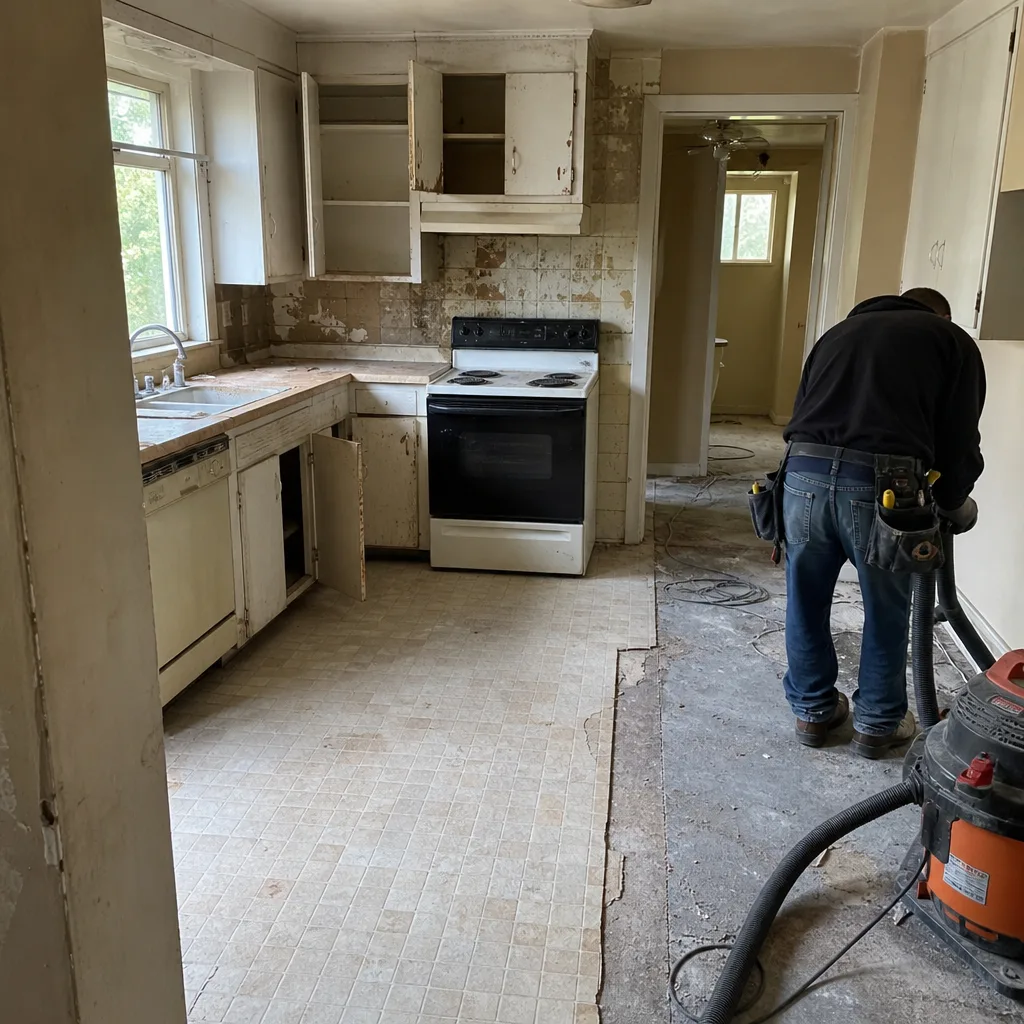 Before
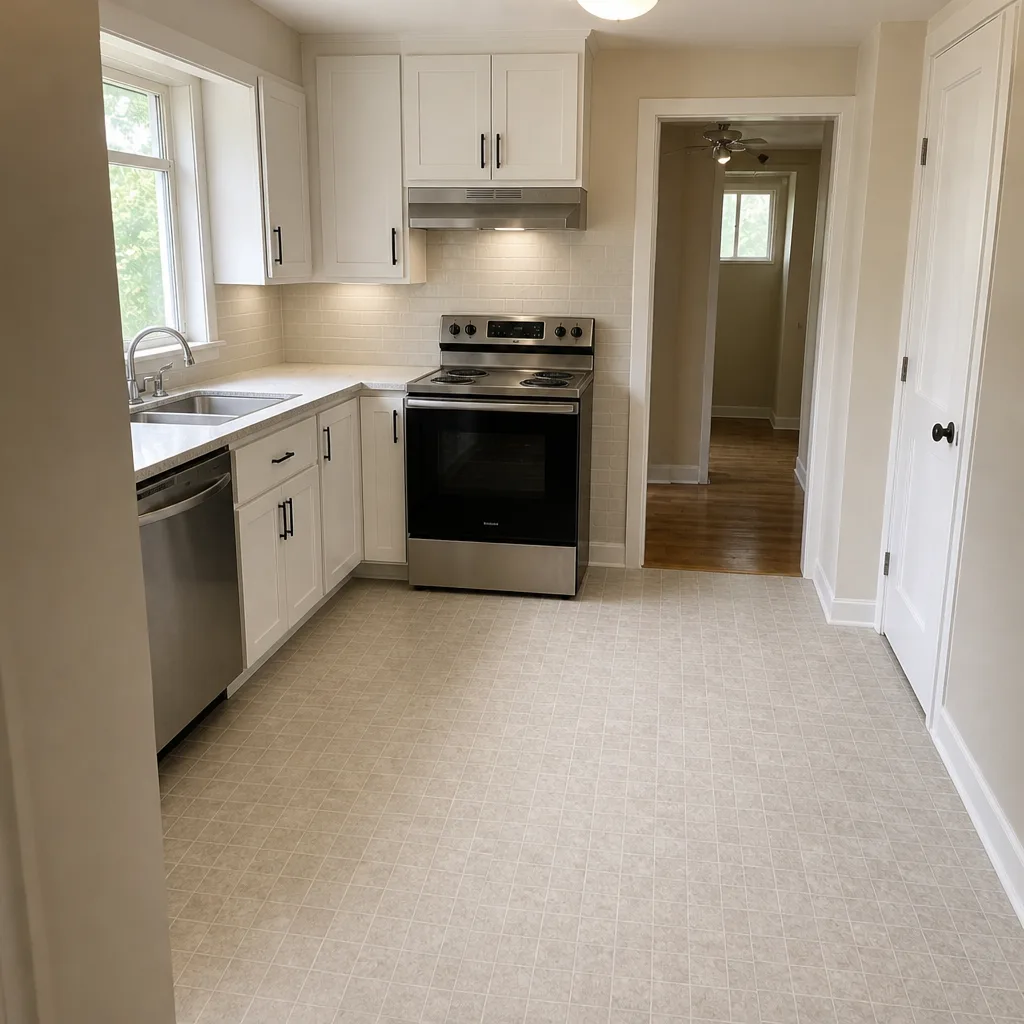 After
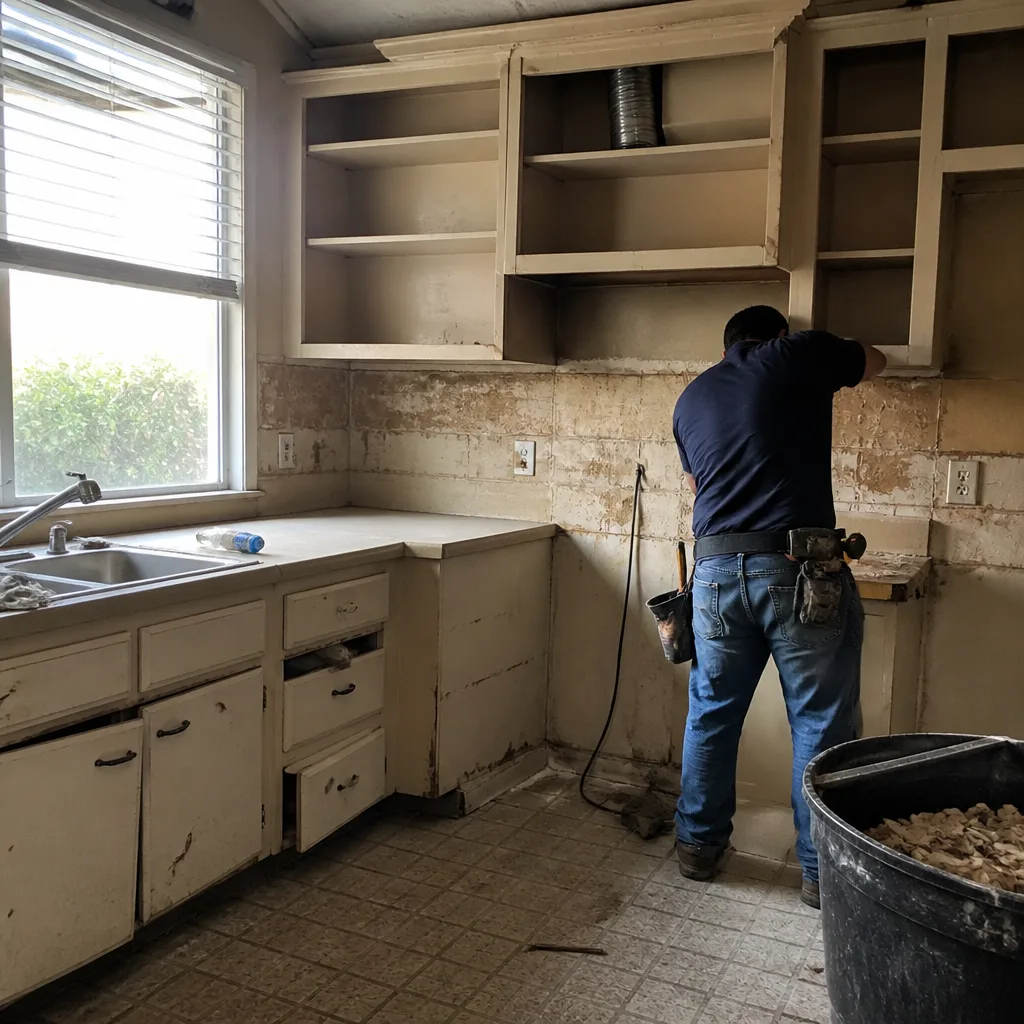 Before
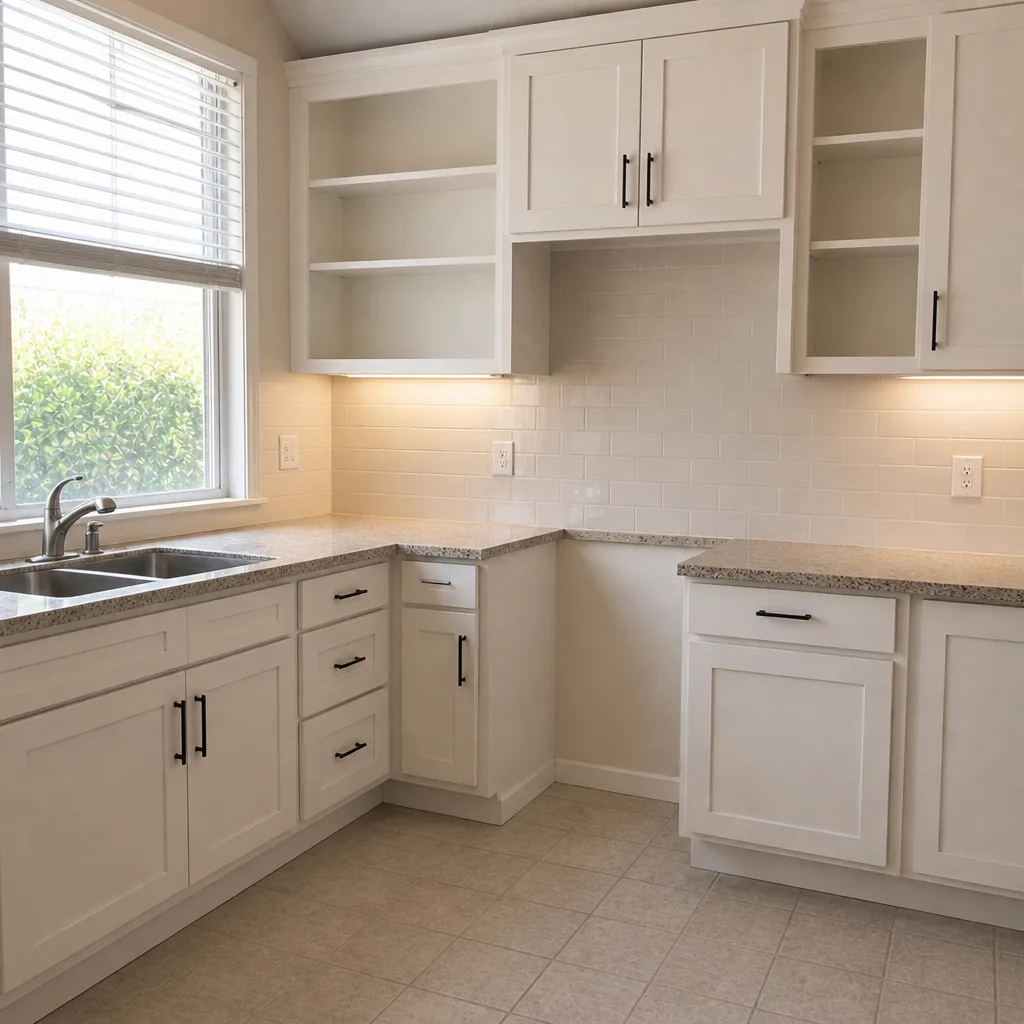 After
When to Call a Professional
Some projects are clearly beyond a weekend’s work. If you’re replacing a shower and worried about waterproofing, reconfiguring a kitchen layout, adding a tile floor over a questionable subfloor, or coordinating cabinets, countertops, and plumbing fixtures across a single project, that’s when a licensed professional with real specification knowledge matters. The same is true when a wall needs opening to expose what’s behind it, or when permits are required and inspections have to be scheduled with the city.
The cost of getting these wrong isn’t the labor you saved. It’s the redo. A leak behind a tile shower or a cabinet line that doesn’t match the rest of the kitchen is a problem you pay for twice. Remodeling Folsom offers free estimates in Folsom, with a written line-item quote so you know exactly what’s specified and what it costs. Call (279) 321-0076. We answer 24/7. Fast dispatch from 7am to 7pm, Sunday through Friday.
Frequently Asked Questions

Cost depends mostly on the materials you specify and the size of the space, so any general range is misleading. A bathroom with KraftMaid cabinetry and a Kerdi-membrane shower costs more than a comparable one with builder-grade cabinets and a simpler tile layout, and that’s a feature of the project, not a problem with it. The right way to price a Folsom remodel is to specify the materials first, then price the labor against that spec. Call (279) 321-0076 for an exact quote, with a free written line-item estimate.
Yes. California requires contractors to be licensed by the Contractors State License Board, and most structural, plumbing, and electrical work requires a permit through the city building department. Verify the license on the CSLB website before you sign anything, and confirm the contractor pulls the permits rather than asking you to. Call (279) 321-0076 to schedule a free estimate and see the license and permit process in detail.
Not if the contract is written correctly. A fixed-price contract with written change orders means the price holds unless you change the scope or a hidden condition surfaces behind a wall. If a wall opens and reveals old plumbing, the contractor should stop, document it, price the fix, and get your written approval before proceeding. Anything else is a contract that leaves room for surprises. Call (279) 321-0076 for a free estimate that holds price to scope.
A typical kitchen remodel takes several weeks, but the exact timeline depends on the scope, the material lead times, and how quickly inspections can be scheduled with the city. Cabinetry and stone fabrication are usually the longest lead items, so specifying them early matters. The contract should state the phases and the inspection windows clearly. Call (279) 321-0076 to talk through a realistic timeline for your project.
Every brand and model number for each product that goes into the job, plus allowances and any substitutions permitted. A real spec sheet names the cabinet line, the countertop material and color, the sink, the faucet, the toilet, the shower valve, and the waterproofing system. It’s the difference between a bid and an estimate. If your contractor’s proposal doesn’t include one, ask for it. Call (279) 321-0076 for a free estimate with a written specification attached.
Yes, when the contractor has the trades and coordination in place across cabinets, countertops, plumbing fixtures, tile, flooring, and painting. The advantage of one contractor is a single point of accountability at every seam, so no one blames the other contractor for a misaligned tile or a plumbing rough that’s off. If your project touches more than one of these categories, ask who owns the seams. Call (279) 321-0076 for a free estimate on a whole-scope project.
The right answer is a written change order: the contractor stops, documents the issue, prices the fix, and gets your approval before continuing. That process protects both sides. What you don’t want is a contractor who “handles it” and presents a bill later, or one who buries the problem in a future invoice. Ask about this process before you sign. Call (279) 321-0076 for a free estimate that spells it out in the contract.
The Bottom Line
Hiring a contractor in Folsom comes down to two layers. The first is table stakes: license verified on the CSLB record, insurance and bond current, permits pulled by the contractor. The second is what actually decides the outcome. A written materials specification, named waterproofing and subfloor systems, a payment schedule tied to inspections, and one contractor accountable across every seam. The lowest bid is usually the wrong bid unless it’s built on the same specification as the others. The contractor who can read a spec sheet and answer questions about Kerdi membranes and subfloor deflection in plain language is the one to hire. If you want a free, written, specification-first estimate, we’re ready to sit down with you.
Call (279) 321-0076 for a free estimate. We answer 24/7. Fast dispatch from 7am to 7pm, Sunday through Friday. Specified by name, installed by us.
Written by the team at Remodeling Folsom.